IN Brief:
- Production traceability is driving compact, high-throughput identification at the machine edge.
- O2I2 targets fast multi-code capture, including damaged or imperfect code marks.
- Ethernet and RS232 interfaces keep deployment practical across mixed-generation lines.
ifm has expanded its machine-vision identification offering with the O2I2 series multicode readers, positioning the devices as a compact option for line-side code reading where bracket space, cable routing, and field-of-view constraints tend to dictate what can be installed.
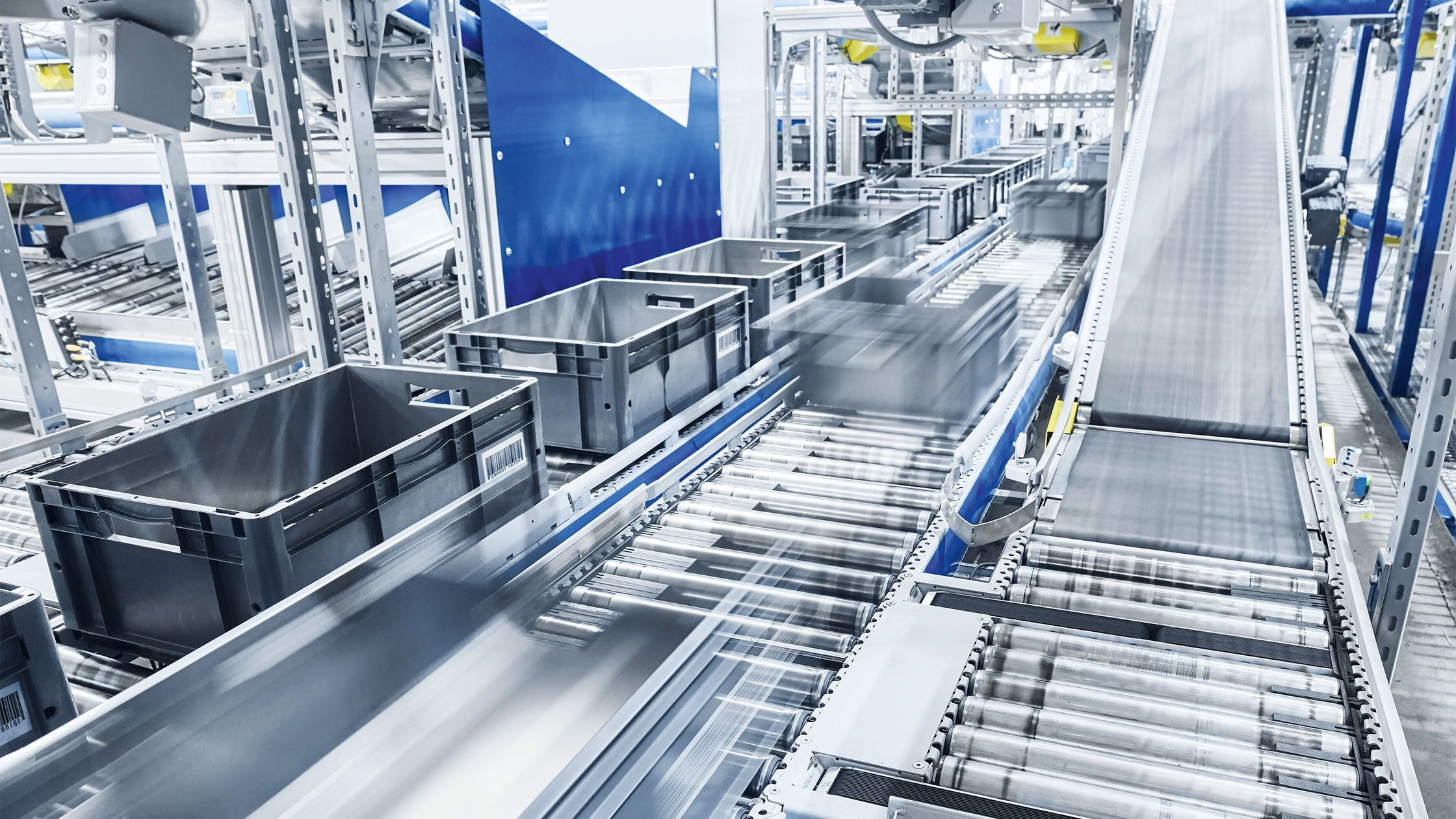
Performance claims focus on throughput rather than headline megapixels: the O2I2 devices are specified to process up to 50 codes and 60 images per second, with reliable decoding maintained on moving targets at speeds up to 3 m/s. That combination is aimed squarely at high-cycle environments where code reading is not a standalone inspection step, but an enabling function for product genealogy, recipe control, and downstream verification.
Application coverage spans the usual mix of manufacturing and logistics, including product tracking along production lines and order picking, while also calling out position mark detection for automated guided vehicle systems. The semiconductor reference is notable, where traceability typically combines tight cleanliness expectations with the operational reality of small carriers, dense labelling, and frequent handoffs between process steps.
A differentiator for the O2I2 series is the use of deep learning-based algorithms intended to preserve read rates when codes are scratched, partially occluded, low-contrast, or otherwise degraded. In practical terms, this shifts the reader’s job from simply “can it see the code?” to “can it recover enough of the code, consistently, without slowing the machine?” The series also uses automatic image adjustment and pre-processing to improve decoding efficiency, which matters most when ambient light, surface finish, or print quality varies across shifts and batches.
Integration is pitched as straightforward, with Ethernet and RS232 interfaces for connection into existing control architectures, including legacy serial installations that persist in packaging, materials handling, and older machine tools. ifm also highlights a multi-camera function, in which multiple sensors can be used together to accommodate changing code positions, aggregating output centrally via a designated master device. That architecture is typically deployed where a single viewpoint cannot guarantee first-pass reads, such as mixed-format totes, rotating carriers, or products with variable label placement.
Configuration is handled using ifm’s Vision Assistant software, with the intent of shortening commissioning time for multi-code jobs that would otherwise require more manual tuning. For manufacturers adding traceability steps without expanding cycle time, compact readers that can be mounted close to the action — and configured quickly enough to keep line-changeovers sane — tend to be the deciding factors.