
IN Brief:
- ROHM has developed fifth-generation EcoSiC MOSFETs with around 30% lower on-resistance at 175°C than its fourth-generation devices under equivalent conditions.
- The devices target traction inverters, onboard chargers, AI server power supplies, PV inverters, ESS, UPS, and other high-power applications.
- Elevated-temperature efficiency is becoming a sharper differentiator in electrified transport, industrial conversion, and dense compute power infrastructure.
ROHM has developed its fifth-generation EcoSiC MOSFET technology, extending a SiC roadmap increasingly tied to both vehicle electrification and high-density industrial power conversion. The company says the new generation cuts on-resistance by around 30% during high-temperature operation at a junction temperature of 175°C compared with its previous fourth-generation products, assuming the same breakdown voltage and chip size.
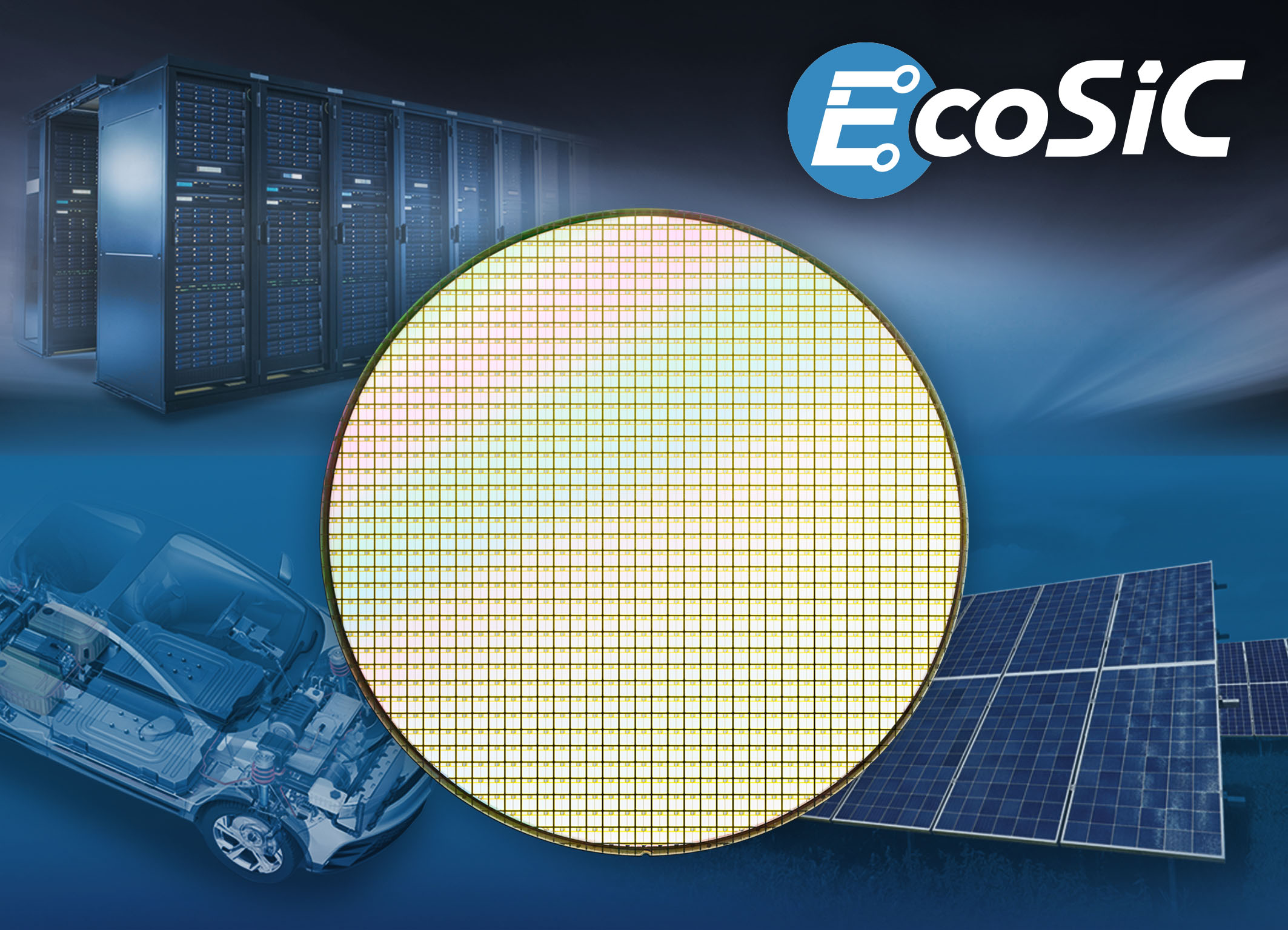
The change is aimed at applications where thermal loading is already central to system design. ROHM is targeting traction inverters, onboard chargers, DC-DC converters, and electric compressors in xEV platforms, as well as AI server and data-centre power supplies, PV inverters, energy storage systems, UPS platforms, eVTOL power architectures, and AC servos on the industrial side. These are all applications where switching efficiency, conduction loss, cooling burden, and packaging density interact directly.
ROHM says it began supporting the bare-die business for the fifth-generation devices in 2025, completed development in March 2026, and plans to begin sample shipments of discrete devices and modules from July. The company also intends to extend the family with additional breakdown voltages and package options, broadening the range from an initial technology announcement into a more deployable portfolio.
Performance at elevated junction temperature has become a more revealing test of device value than room-temperature figures alone. In traction inverters, onboard chargers, and dense server power shelves, the operating envelope is defined by heat as much as by electrical rating. A reduction in hot-state resistance can ease thermal design, improve system efficiency, and open more room for size reduction or higher output within the same cooling constraint.
That pressure is spreading across sectors that once looked quite separate. Automotive platforms are pushing for faster charging, longer range, and more compact inverter stages. Data infrastructure is moving toward higher rack power, denser conversion stages, and tighter energy budgets. Industrial power systems face a similar squeeze as storage, renewable integration, and automation all demand more efficient conversion hardware in confined spaces. Across all three, unnecessary loss is becoming harder to tolerate.
SiC has spent years moving from an emerging option to a mainstream device choice in high-power electronics. The competitive ground is now shifting toward the quality of each device generation rather than the basic case for the material itself. Structural refinement, process improvements, package strategy, and application support are becoming more decisive as designers compare not whether to use SiC, but which implementation offers the strongest system-level benefit under real operating conditions.
The reference to AI server power supplies is especially telling. Power semiconductor development is following the same density curve as compute infrastructure, where rising workloads quickly translate into thermal and efficiency pressure at the power stage. That has pulled automotive and data-centre requirements closer together than they once appeared, with both demanding devices that run harder without paying the same loss penalty at temperature.
ROHM’s latest EcoSiC generation sits directly in that contest. The SiC transition itself is well under way. The focus now is on how much usable efficiency each successive generation can retain once the temperature is up and the system is operating where it actually earns its keep.

