IN Brief:
- Delta will develop autonomous driving systems around NVIDIA Hyperion and the NVIDIA Halos safety architecture.
- Hyperion uses two DRIVE AGX Thor computers with cameras, radar, lidar, ultrasonics, and other sensing hardware.
- The collaboration combines Delta's vehicle power and system integration work with NVIDIA's autonomous compute and development ecosystem.
Delta Electronics and NVIDIA are collaborating on autonomous driving systems based on the NVIDIA Hyperion reference architecture. The work will combine Delta’s automotive power electronics, xEV systems, in-vehicle high-performance computing, and system integration capabilities with NVIDIA’s compute, sensor, and safety technology for Level 4 autonomous vehicles.
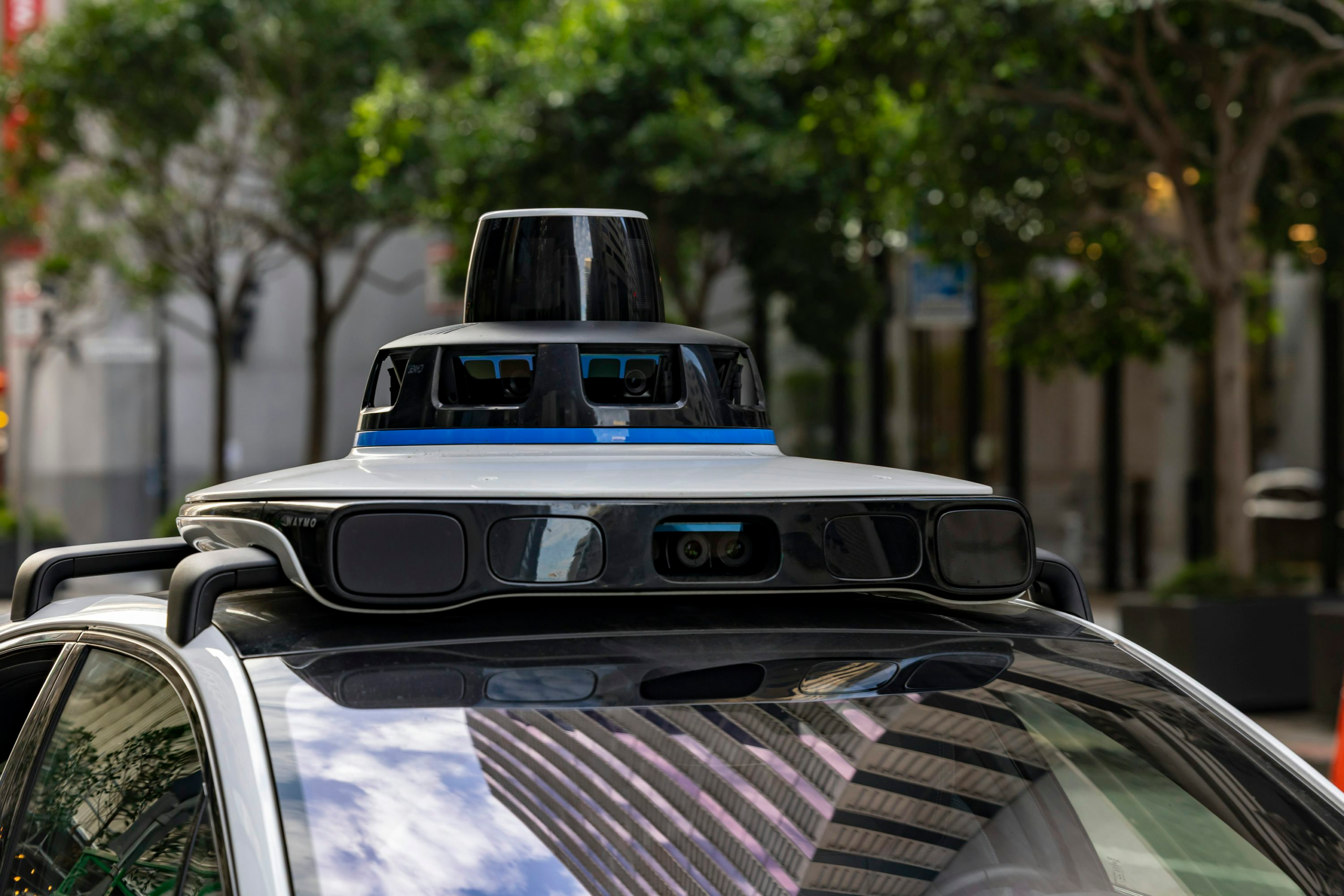
Hyperion provides a common hardware architecture around which vehicle manufacturers and systems developers can build and validate autonomous driving functions. The current platform uses two NVIDIA DRIVE AGX Thor in-vehicle computers alongside a multimodal sensor suite containing 14 high-definition cameras, nine radars, one lidar, 12 ultrasonic sensors, interior cameras, and an exterior microphone array.
The use of several sensing technologies gives the platform overlapping ways to observe the vehicle’s surroundings. Cameras provide detailed visual information, while radar, lidar, and ultrasonics measure aspects of range and object position under different operating conditions. Combining those inputs creates a substantial data-processing requirement before the system reaches planning, control, and vehicle actuation.
Delta’s contribution is therefore broader than supplying an individual electronic component. The company plans to apply its experience in vehicle power conversion, energy management, computing hardware, and system integration to the task of turning NVIDIA’s reference architecture into complete autonomous driving systems that can be engineered around a production vehicle.
That distinction matters because high autonomous-compute performance creates electrical and thermal requirements of its own. Two high-end processing systems, multiple external sensors, high-speed vehicle networking, storage, and safety functions all add continuous and transient loads to the vehicle electrical architecture. The computing hardware also has to operate within an automotive thermal environment while remaining available across the conditions defined by the vehicle programme.
Delta has spent several years developing xEV power electronics and automotive systems alongside vehicle manufacturers, giving the company a base in the power and integration work surrounding the compute platform. James Tang, Executive Vice President of Mobility Business Category at Delta, said: “Autonomous driving requires years of technology development, continuous innovation, and strong system integration.”
That integration extends into the vehicle network. Sensor streams have to reach the compute platform with sufficiently predictable latency and bandwidth, while decisions produced by the autonomous driving stack ultimately have to pass into braking, steering, propulsion, and other control systems. Redundancy in the processor or sensor layer has limited value if a single electrical, communications, or thermal failure elsewhere can disable the complete function.
NVIDIA places Hyperion within its Halos safety framework, which spans the compute hardware, operating system, middleware, sensor architecture, validation, and other elements used to develop autonomous vehicles. NVIDIA describes Hyperion 10 as ISO 26262 ASIL-D capable with Halos and positions the architecture from Level 2 driver assistance through Level 4 autonomous driving.
Rishi Dhall, vice president of automotive at NVIDIA, said Level 4 driving requires powerful in-vehicle computing and a comprehensive sensor architecture, alongside collaboration across the automotive ecosystem. Delta and NVIDIA intend the partnership to connect those compute and sensing resources with the engineering required to integrate them into complete vehicle systems.
Hyperion’s value as a reference architecture lies partly in reducing repeated hardware integration work between autonomous programmes. Rather than selecting and validating every sensor and compute interface independently, developers can begin from a qualified architecture and concentrate more effort on vehicle integration, autonomous software, and the elements that differentiate one application from another.
It does not make Level 4 deployment automatic. Vehicle manufacturers and systems integrators still have to establish the safety of the complete application, including installation, software behaviour, actuation, cybersecurity, diagnostics, environmental performance, manufacturing variation, and fault handling. A reference platform defines part of the technical baseline; it does not replace vehicle-level validation.
Delta and NVIDIA have not announced a production vehicle, customer programme, manufacturing volume, or launch date resulting from the collaboration. The current step is an engineering partnership intended to develop systems around Hyperion and expand engagement with automotive customers and partners.
The commercial outcome will therefore depend on whether Delta can turn a standardised compute and sensor foundation into vehicle-ready hardware without eroding the advantages of using a common reference architecture in the first place. The immediate engineering task is more concrete: power, cool, connect, package, and validate an increasingly capable autonomous computing platform inside vehicles expected to operate reliably for years rather than on a development bench.