IN Brief:
- Vertical Aerospace has completed construction of its 30,000 sq ft Powertrain Centre beside its existing Bristol Energy Centre.
- The facility will support battery production, electrical propulsion integration, and testing for certification aircraft and early production.
- Battery production capacity is expected to triple over time, with operations at the new centre scheduled to increase during 2027.
Vertical Aerospace has completed construction of its 30,000 sq ft Powertrain Centre in Bristol, expanding the engineering infrastructure supporting its electric and hybrid-electric aircraft programmes. The new facility will accommodate battery production, propulsion system integration, and testing activities for aircraft undergoing certification and early commercial production.
Located beside the company's existing Vertical Energy Centre, the building is intended to support a threefold increase in battery production capacity over time. Construction is complete, but equipment installation and commissioning remain ahead, with operations expected to increase during 2027.
The expansion is linked to development of Vertical's Valo electric aircraft and its hybrid-electric propulsion work. It will provide additional facilities for integrating electrical powertrain components and evaluating their performance before they are installed in aircraft.
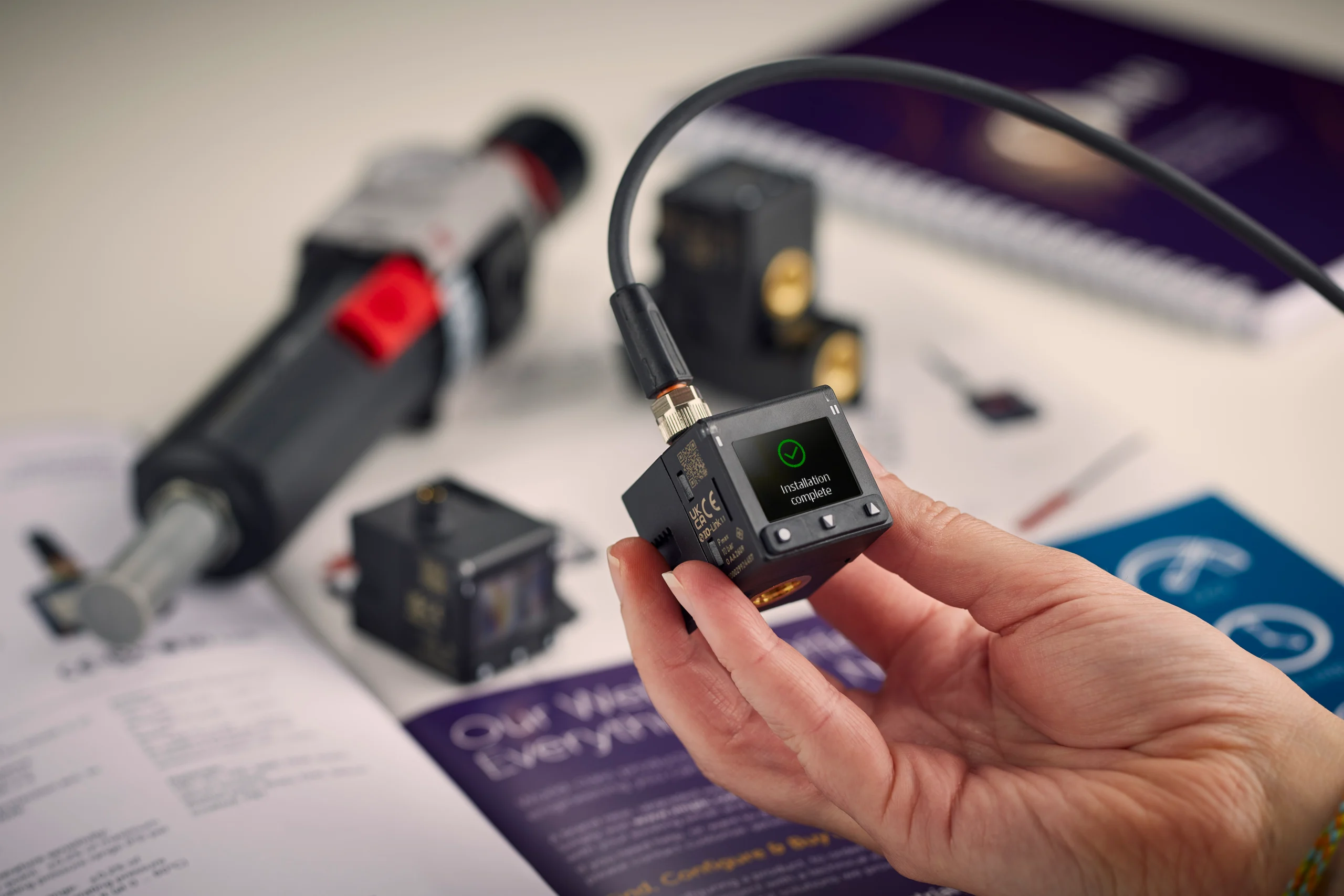
Electric propulsion systems depend on the coordinated operation of batteries, power electronics, motors, and associated control equipment. Battery packs store electrical energy, while power conversion and motor control equipment regulate how that energy is delivered to the propulsion system.
The electrical characteristics of these subsystems must remain compatible throughout the aircraft's operating conditions. A battery pack's voltage and current capability influence the requirements of the power electronics, while the propulsion motors determine the electrical demand associated with different operating states.
Power conversion also introduces thermal constraints. Electrical losses within semiconductor devices, conductors, connectors, and other components generate heat, which must be managed without exceeding the temperature limits of the equipment.
Battery systems have their own thermal requirements. Individual cells must operate within acceptable temperature and electrical limits, while the completed pack requires sensing, monitoring, protection, and mechanical structures appropriate to its installation.
The performance of the assembled powertrain therefore depends on more than the specifications of individual components. Testing must establish how the electrical, thermal, and control systems behave together, including their responses to changing loads and abnormal operating conditions.
The new Bristol centre is intended to bring more of these activities into a common engineering environment. Vertical has identified battery development, power electronics, propulsion integration, and testing among the functions supported by the facility, although it has not disclosed the precise production equipment or test systems being installed.
The company's existing 15,000 sq ft Vertical Energy Centre opened in 2023 and has supported the development and manufacture of batteries used during piloted flight testing. Vertical has also established an upgraded assembly line for its Valo battery programme.
Those existing capabilities should be distinguished from the newly completed Powertrain Centre. The earlier battery line is operational, whereas the additional building must undergo equipment installation and commissioning before it can deliver its planned expansion in manufacturing capacity.
Vertical expects battery production capacity to triple as the enlarged operation develops. It has not disclosed the current and projected annual pack volumes, making it inappropriate to translate the forecast increase into a specific number of batteries or aircraft.
Manufacturing batteries for aviation introduces demanding consistency and traceability requirements. Cells and electrical connections must be incorporated into assemblies whose performance can be assessed against defined operating limits, while manufacturing records and test procedures must support investigation of any variation.
The relevant processes extend from component inspection and assembly through electrical testing and the verification of completed packs. A production capacity increase must therefore be supported by suitable equipment, quality controls, and staff capability rather than simply additional factory floor space.
Powertrain integration also requires test facilities capable of examining how propulsion components interact. Electrical measurements, temperature monitoring, and control system evaluation help engineers establish whether the equipment operates within the limits intended by its designers.
Vertical has separately begun evaluating its next-generation hybrid-electric propulsion system using a test rig at Cotswold Airport. Hybrid propulsion introduces additional integration requirements because electrical energy may be supplied from different sources and must be managed according to the operating demands of the aircraft.
The company has not disclosed the detailed electrical architecture or operating strategy of that system in its Bristol facility announcement. The confirmed engineering development is the expansion of infrastructure available to manufacture, integrate, and test propulsion equipment.
The Powertrain Centre is also expected to support the development of battery recycling, reuse, and remanufacturing capabilities. These could eventually enable second-life applications in aerospace, high-power charging, and other mobility systems.
Battery reuse requires an assessment of the condition and remaining capability of the components involved. Packs that have completed one operating life cannot automatically be assumed suitable for another application, particularly where the intended electrical and thermal demands differ.
Similarly, remanufacturing may require disassembly, inspection, replacement of selected components, reassembly, and renewed testing. Vertical has not reported that commercial recycling or remanufacturing operations have commenced at the new facility.
The completed building also forms part of the company's wider manufacturing plans. Vertical has established an Aircraft Assembly Centre at Cotswold Airport, while higher-volume aircraft production is expected to take place at a separate facility.
Completion of the Bristol building does not establish that the aircraft or powertrain systems have obtained certification. The relevant hardware must still satisfy its applicable development, testing, documentation, and approval requirements before entering commercial aviation service.
Vertical has not published the cost of the new centre, a full commissioning timetable, or a final production rate. The immediate next steps are installation of manufacturing and test equipment, continued powertrain engineering, and a planned increase in operational activity during 2027.