IN Brief:
- Ambarella will provide edge AI semiconductor platforms and its Cooper software development environment.
- Sigma Connectivity will contribute electronic product design, systems integration, verification, and manufacturing preparation services.
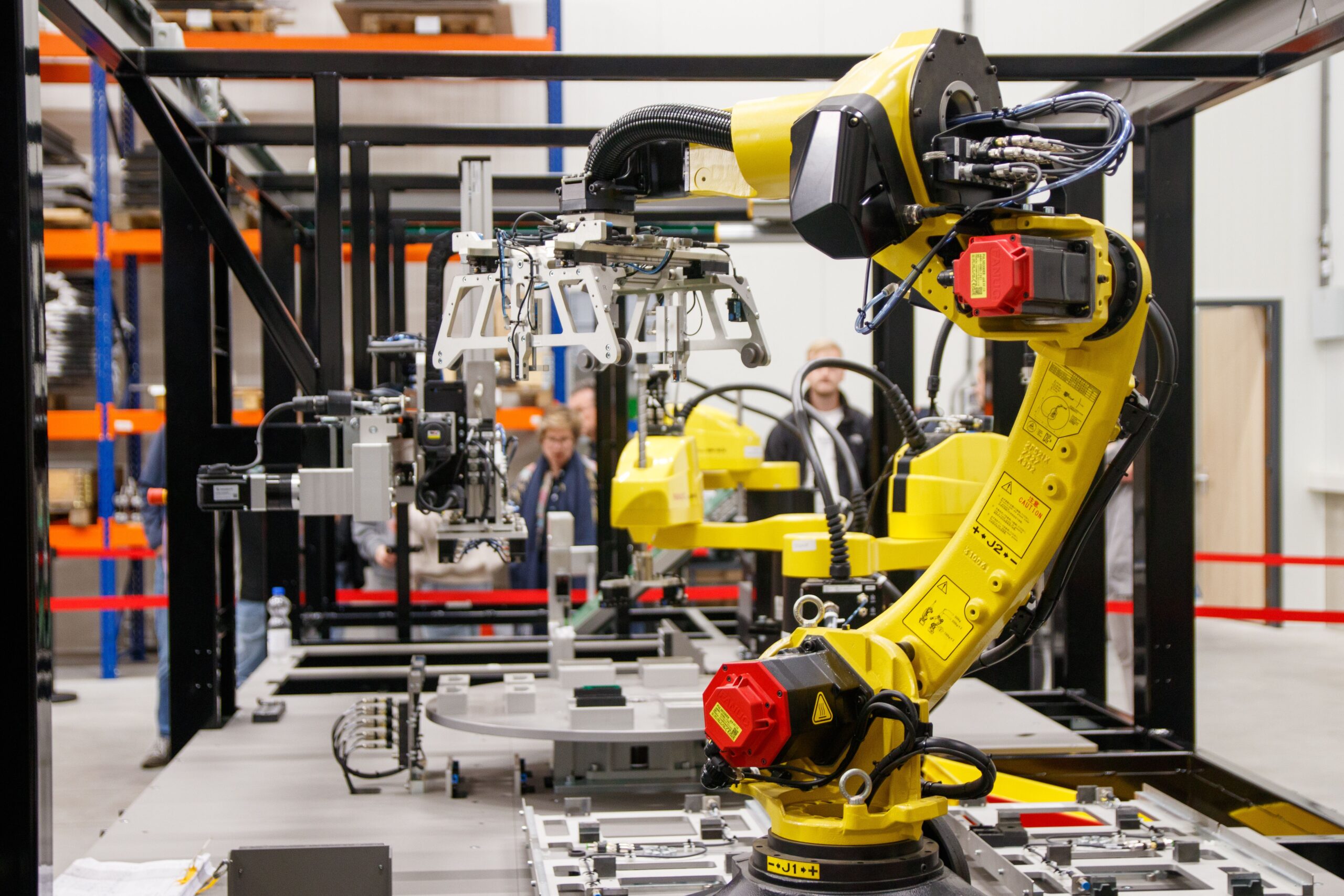
- The collaboration targets applications including warehouse robotics, industrial machine vision, and autonomous equipment.
Ambarella and Swedish engineering services company Sigma Connectivity have established a collaboration covering the development and industrialisation of embedded computer vision and artificial intelligence products, bringing semiconductor hardware and software development resources together with engineering services for equipment manufacturers.
Ambarella will provide its edge AI systems on chips (SoCs) and Cooper Developer Platform, while Sigma Connectivity will contribute electronic product design, systems engineering, integration, verification, and manufacturing preparation capabilities. Initial application areas include warehouse robotics, autonomous equipment, and machine vision systems used in manufacturing environments.
Sigma Connectivity’s engineering teams will use Ambarella’s Developer Zone alongside the Cooper software environment. The resources include models optimised for Ambarella’s processing architecture, development kits, technical documentation, and software development tools, providing an established platform on which customer-specific applications can be developed.
Ambarella’s semiconductor portfolio incorporates its CVflow AI processing architecture alongside functions associated with image acquisition, signal processing, and video encoding. Integrating these resources within a common device enables electronic products to perform several stages of computer vision locally, from processing information acquired by image sensors to executing neural network inference.
The integration of those functions influences the movement of information within an embedded computing system. Transferring unprocessed images between separate devices can place substantial demands on interface bandwidth and memory resources, particularly where an application uses several cameras or operates at high frame rates. Processing information closer to the sensor can reduce the quantity of data that must pass through subsequent stages of the system.
Developers must nevertheless adapt their inference workloads to the architecture of the selected semiconductor device. Neural networks developed on conventional computing systems may incorporate operations or numerical formats that require modification before they can be executed efficiently on an embedded accelerator.
Reducing the numerical precision of model parameters and intermediate calculations, for example, can decrease memory requirements and improve processing efficiency. The resulting model must then be evaluated against the original application’s accuracy requirements, since the effects of reduced precision vary between network architectures and the tasks they perform.
Ambarella’s optimised models and development tools address part of this process by providing resources adapted to its semiconductor portfolio. Sigma Connectivity’s involvement extends the development programme into the design of the surrounding electronic system, including the interfaces, mechanical assemblies, and supporting circuitry through which individual applications acquire and process information.
Machine vision performance depends on the relationship between those elements. An embedded system inspecting manufactured components may require consistent illumination and precisely positioned optics, while a mobile robotic platform must accommodate changes in lighting, object position, and movement. Both applications require image acquisition and inference to operate within the timing constraints imposed by the wider equipment.
The electrical and thermal characteristics of the computing system also influence sustained performance. Integrating an AI processor into an enclosed product requires consideration of heat generated by the device alongside that produced by power conversion circuitry, image sensors, and communication interfaces. Operating temperatures can constrain the processing performance that the assembled product can maintain continuously.
Moving a design from development hardware into manufacture introduces additional requirements concerning component tolerances, assembly processes, and product testing. Electronic systems containing optical assemblies may require alignment or calibration during production to establish consistent relationships between the information collected by their sensors and the subsequent processing functions.
Manufacturing test procedures must also address failures that may not be evident from the operation of an individual AI model. Defects affecting a camera interface, memory device, or power supply can influence the behaviour of the complete product, requiring test coverage that extends beyond the accuracy of its inference software.
Sigma Connectivity has developed its engineering services around these successive stages of product development, from initial system architecture through to volume production and lifecycle support. The collaboration provides its engineers with access to Ambarella’s existing semiconductor and software ecosystem, which the chip manufacturer says has supported shipments of more than 50 million edge AI SoCs.
The companies have not identified a new semiconductor product, committed manufacturing volumes, or a specific customer programme under the arrangement. Their collaboration establishes a development route through which manufacturers can combine Ambarella’s processing architecture with the additional electronics engineering and production capabilities required to commercialise embedded computer vision systems.