IN Brief:
- The investment covers production and quality control equipment at DigiProces's Castellar del Vallès facility.
- Infrastructure and manufacturing layout improvements will complement previous investment in factory digitalisation.
- Some equipment has already been ordered or installed, with the remaining investment scheduled for implementation throughout 2027.
Spanish electronics manufacturing services provider DigiProces has approved a €2 million investment programme at its Castellar del Vallès facility, near Barcelona, to strengthen production and quality assurance capabilities for aerospace and defence applications.
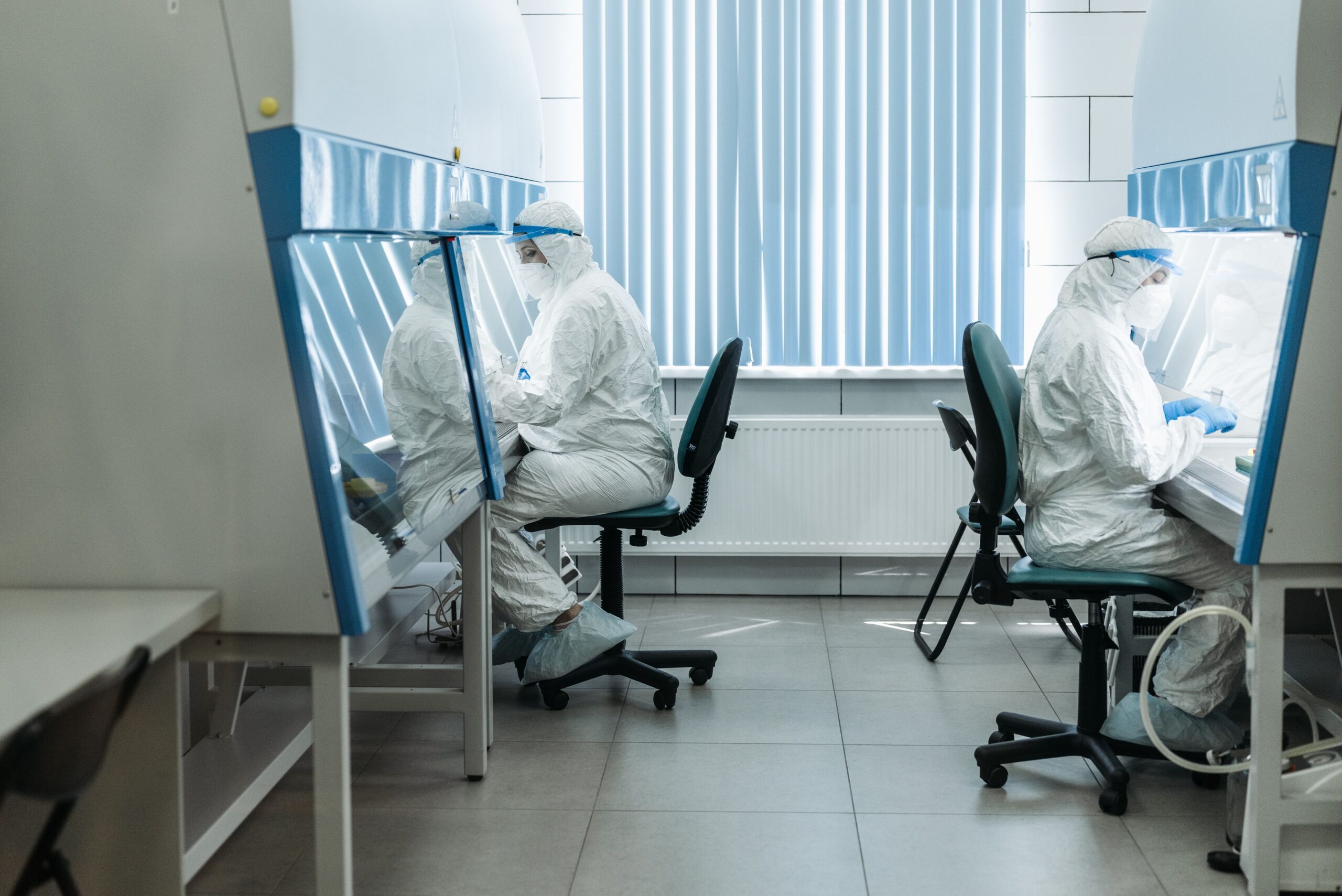
The programme combines the acquisition of manufacturing and inspection equipment with changes to factory infrastructure and production layouts. It also incorporates improvements to workplace ergonomics and occupational safety, building on previous investment in the digitalisation of manufacturing operations.
Some of the equipment has already been ordered or installed during 2026, with the remaining expenditure due to be implemented progressively throughout 2027.
Established in 1987, DigiProces provides electronics engineering and manufacturing services through operations in Spain and India. Its Spanish activities also include product development and electromagnetic compatibility testing, allowing engineering and manufacturing requirements to be addressed within the same organisation.
The company holds AS9100 certification, the quality management standard used throughout the aerospace industry. Building on the requirements of ISO 9001, the aerospace framework addresses additional considerations including operational risk, configuration management, product safety, and counterfeit component prevention.
These requirements influence manufacturing processes from the point at which components and materials enter a facility. The operating lifetime of an electronics assembly can be affected by material handling, moisture exposure, contamination, solder joint formation, and the consistency with which production equipment applies its specified process parameters.
Assemblies installed within aircraft can subsequently experience repeated temperature cycling, vibration, and mechanical loading. Differences in the thermal expansion characteristics of semiconductor packages, solder alloys, and PCB materials can introduce mechanical stresses into electrical connections as equipment moves between operating conditions.
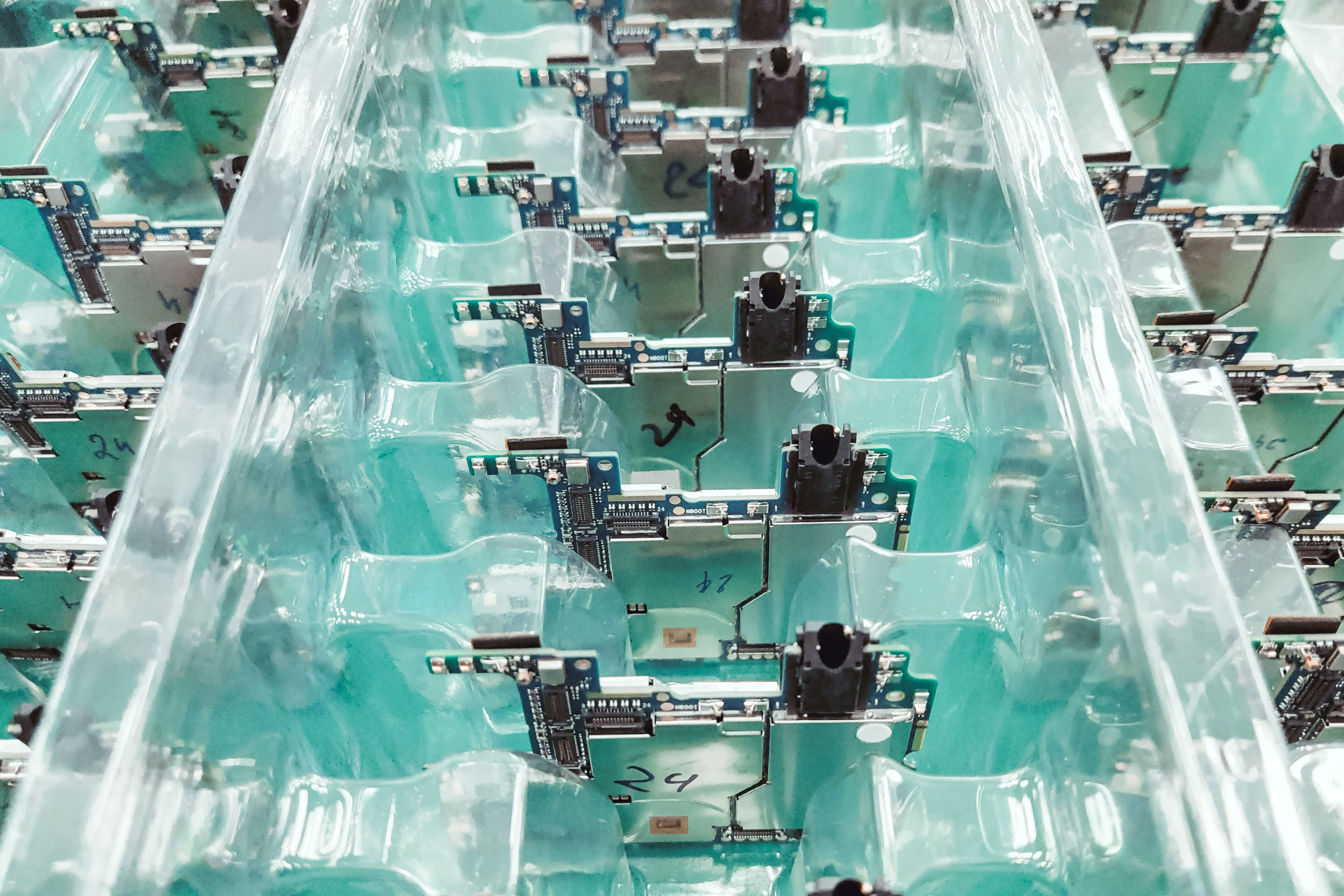
Controlling the characteristics of those connections begins during surface mount manufacturing. The amount of solder paste deposited onto individual PCB pads, for example, influences the quantity of material available to form an electrical and mechanical joint during reflow.
Component placement must then maintain alignment between package terminals and the corresponding contact structures on the board. During reflow, the thermal profile must accommodate components and PCB regions with different heat capacities while remaining compatible with the characteristics of the solder alloy and the temperature limits of the assembly.
Variations introduced during these operations may produce defects that are difficult to identify through electrical testing alone. A connection can initially remain functional despite manufacturing irregularities that subsequently reduce its resistance to mechanical or thermal stress.
Inspection technologies provide complementary methods of assessing the resulting assembly. Automated optical inspection can examine visible component positions and solder connections, while X-ray inspection provides access to structures concealed beneath packages such as ball grid arrays.
DigiProces has not disclosed the individual equipment models included in the investment programme. However, the inclusion of both manufacturing and quality control equipment reflects the interdependence of production parameters and the ability to assess their results.
Digital manufacturing records can extend that relationship across individual products and production batches. Associating component identifiers, equipment settings, inspection results, and engineering configurations with specific assemblies allows manufacturers to establish how a product was manufactured and which materials were incorporated into it.
This information becomes particularly valuable during investigations into faults identified after manufacture. Establishing whether affected units share a component batch, process configuration, or production condition can help define the scope of corrective action and reduce the need to treat unrelated assemblies as potentially defective.
Long-running aerospace programmes also place demands on the management of electronic component availability. Semiconductor manufacturers can discontinue products or change manufacturing processes during the service life of an aircraft, requiring equipment suppliers to investigate alternative components and assess their compatibility with established electronic designs.
Replacement devices may differ in their package materials, electrical characteristics, or manufacturing requirements even where they provide nominally equivalent functionality. Managing such changes involves coordination between engineering, procurement, manufacturing, and quality assurance teams, supported by records establishing the configuration of individual products.
DigiProces has been extending its involvement in Spain’s aerospace manufacturing ecosystem through organisations including the AeroS association. Its latest investment addresses the physical manufacturing infrastructure needed to accommodate additional work within those markets, complementing its existing quality management and digital manufacturing capabilities.
Installation of the remaining production and quality assurance equipment will continue throughout 2027, alongside the planned infrastructure and manufacturing layout improvements at Castellar del Vallès.