IN Brief:
- Raspberry Pi will increase pricing for 2GB+ Pi 4/5 and Compute Module 4/5 products.
- The uplift scales by memory density: +$10 (2GB), +$15 (4GB), +$30 (8GB), +$60 (16GB).
- 1GB products are protected, and older LPDDR2-based lines are expected to stay stable.
Raspberry Pi has announced another round of price increases for its higher-memory products, blaming what it calls an “unprecedented rise” in LPDDR4 costs as competition for memory capacity intensifies.
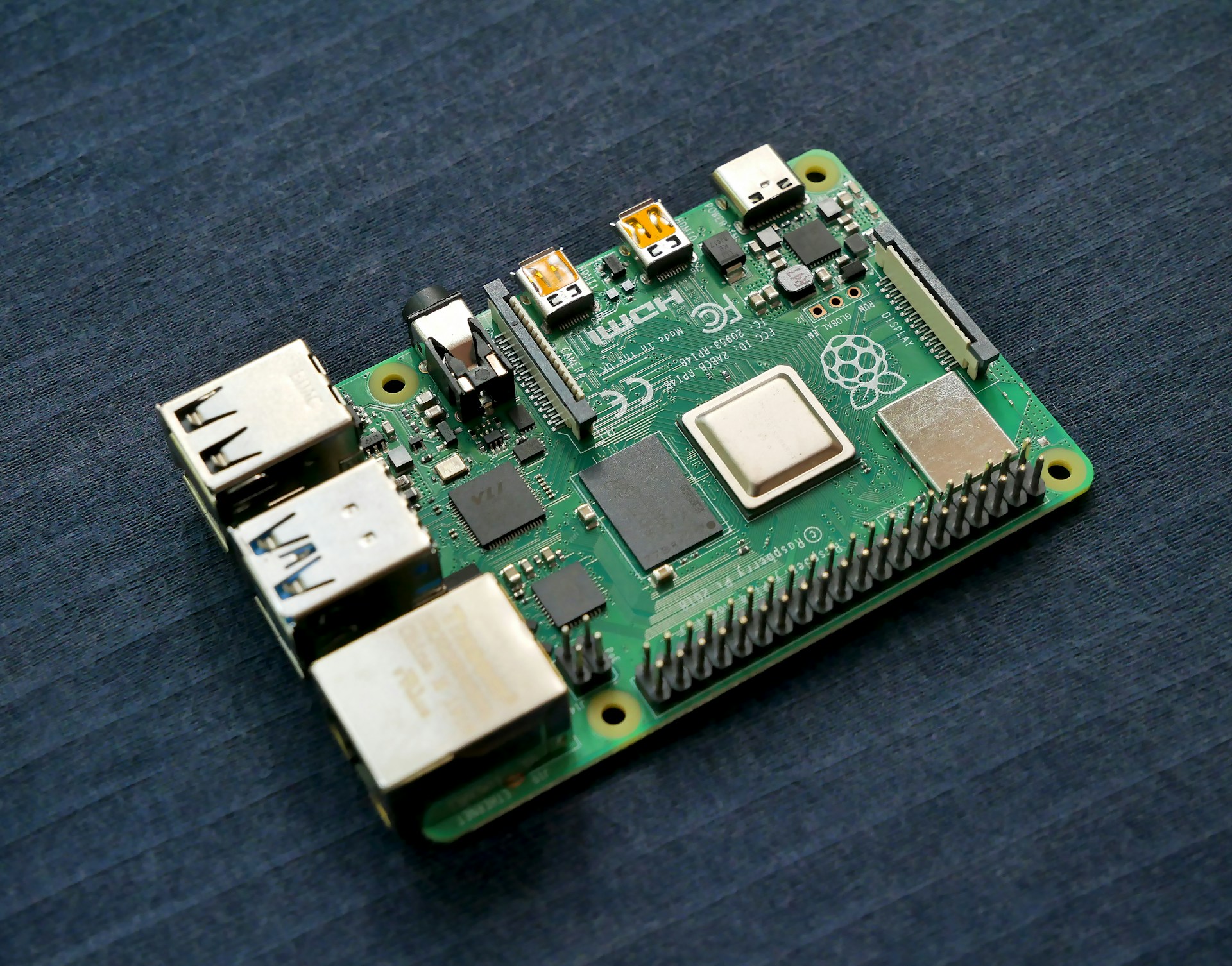
The update applies to Raspberry Pi 4 and Raspberry Pi 5 boards, and to Compute Module 4 and Compute Module 5 products with 2GB or more of memory. Raspberry Pi also notes that Raspberry Pi 500 and 500+ are affected, while Raspberry Pi 400 remains at its existing price point. The company said the cost of some parts “has more than doubled over the last quarter”, pushing it to make further pricing adjustments as the market enters 2026.
Rather than publishing a new board-by-board price list in the announcement, Raspberry Pi sets out the increase as a memory-density ladder: 2GB products rise by $10, 4GB by $15, 8GB by $30, and 16GB by $60. That structure is a useful signal for product teams because it maps directly to the bill-of-materials pressure point — memory — and it suggests the squeeze is being felt most aggressively at higher densities, where allocation and pricing can become more volatile.
Raspberry Pi says it has protected the pricing of 1GB products, including the $35 1GB Raspberry Pi 4 variant and the $45 1GB Raspberry Pi 5 variant introduced in December. It also says it does not anticipate changes to Raspberry Pi Zero, Raspberry Pi 3, and other older products, arguing it holds several years of inventory of the LPDDR2 memory used on those lines.
For industrial users, the uncomfortable reality is that Raspberry Pi has long been treated as a stable embedded compute building block — particularly in the Compute Module family, where long-lived carrier designs are common. When the price of the compute element moves materially, the knock-on effects are not limited to unit economics. It can also shift make-or-buy decisions around memory footprint, alter thermal envelopes where higher-memory SKUs are paired with different workload expectations, and force uncomfortable redesign discussions if a product was quietly depending on a specific memory configuration staying within a procurement threshold.
Raspberry Pi’s language suggests it expects the cycle to unwind once memory pricing stabilises. Eben Upton wrote that “the current situation is ultimately a temporary one”, adding that the company looks forward to reversing the increases when conditions improve. Whether that happens quickly or slowly, the practical implication for electronics teams in 2026 is straightforward: memory density is now a first-order commercial risk, not a background specification, and product planning needs to treat it that way.