IN Brief:
- Coherent is taking InP to OFC 2026 as AI datacentre optical roadmaps push toward 200G-per-lane and 1.6T-plus links.
- The portfolio spans CW lasers, EMLs, photodiodes, tunable laser assemblies, and IQ modulators across pluggable, CPO, and transport designs.
- A multi-site 6-inch InP production ramp suggests the contest is shifting from device capability alone to manufacturable scale and supply continuity.
Coherent is using OFC 2026 to make a broader point about indium phosphide than a single component launch would allow. Its latest lineup stretches from lasers and modulators to photodiodes and optical sub-assemblies, aimed squarely at the interconnect pressures building around AI datacentre expansion, where lane-speed jumps and tighter power budgets are forcing suppliers to show depth across the stack rather than isolated parts.
The portfolio on show includes a 400mW continuous-wave laser for co-packaged optics and silicon photonics pluggables, 200G electro-absorption modulated laser solutions for 1.6T transceivers, differential EMLs intended to support 400G-per-lane performance for 3.2T-class pluggables, and high-speed 200G and 400G photodiodes. Coherent is also bringing nano-integrated tunable laser assemblies, 800G and 1.6T IQ modulators, and other optical sub-assemblies into the same InP story, turning the material platform into a portfolio argument rather than a device-level one.
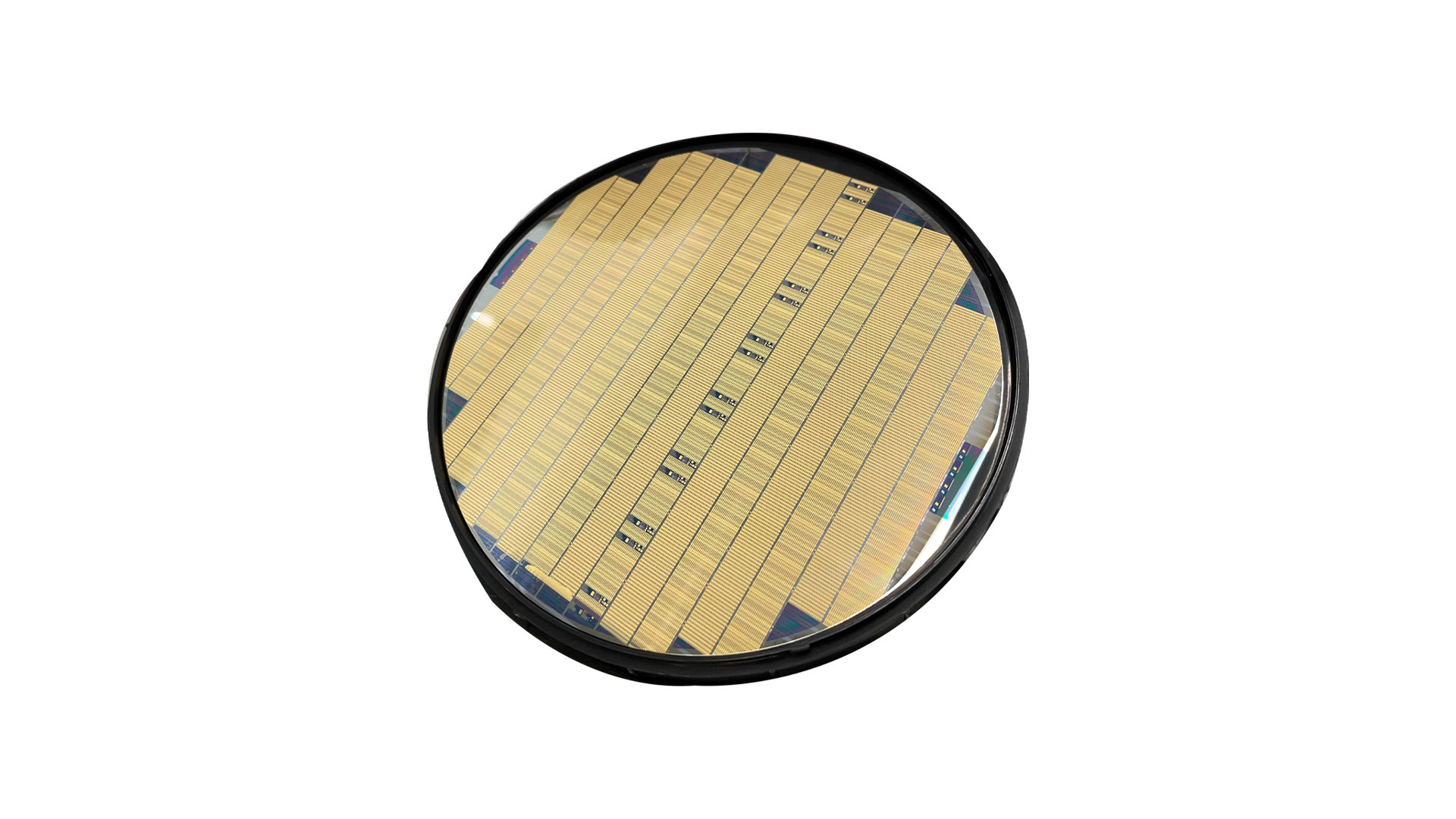
The manufacturing backdrop is at least as important as the component list. Coherent is ramping 6-inch InP production across its fabs in Järfälla, Sherman, and Zürich, extending a wafer-scale strategy that the company had already linked to higher output and lower device costs. That gives the latest OFC message a sharper commercial edge, because the pressure in AI networking is no longer confined to performance metrics on a slide deck; it is increasingly about who can ship enough optics, with enough consistency, into a market that is moving quickly from 800G into the 1.6T era.
That also explains why the mix on display spans co-packaged optics, pluggable transceivers, and transport-side technologies. AI clusters are not creating demand for one neat class of photonic component. They are pulling at lasers, modulators, detectors, and tunable optical assemblies all at once, which makes supply continuity and process maturity part of the product story. InP remains central wherever high-speed optical engines need performance and integration pushed together without giving up manufacturability.
Coherent will show the portfolio at Booth 1401 during OFC 2026 in Los Angeles. The question hanging over the market is no longer whether InP remains relevant in next-generation optical systems. It is which suppliers can deliver it at the volume, wafer scale, and product breadth that AI network build-outs now demand.