IN Brief:
- Senzime and Philips will explore products combining their proprietary patient-monitoring technologies.
- Resulting systems are expected to be commercialised through Philips’ global organisation.
- The agreement links specialist perioperative monitoring with a broader connected hospital platform.
Senzime has entered a long-term development and commercialisation agreement with Philips Electronics Nederland to create patient-monitoring products that combine the companies’ proprietary technologies.
Philips’ Hospital Patient Monitoring organisation will provide the route to market for resulting systems, placing Senzime’s specialist perioperative technology within a much larger installed base of hospital equipment and clinical infrastructure. Financial terms, product specifications, and development schedules have not been disclosed, although the agreement extends beyond conventional distribution by bringing the two companies together at product-development level.
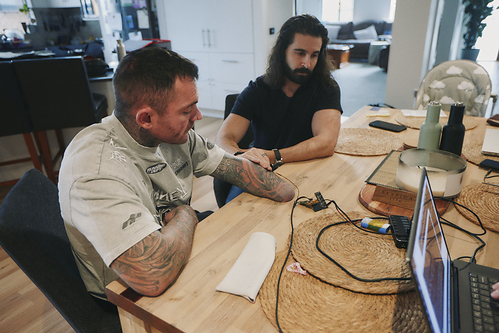
Senzime develops monitoring systems used around surgery and anaesthesia, where clinicians need continuous information on neuromuscular function and other physiological changes. Its TetraGraph platform is designed to quantify a patient’s response to neuromuscular-blocking drugs, supporting decisions on dosing and recovery before extubation. The company has direct operations in the US and Germany, alongside distribution and licensing relationships across more than 30 countries.
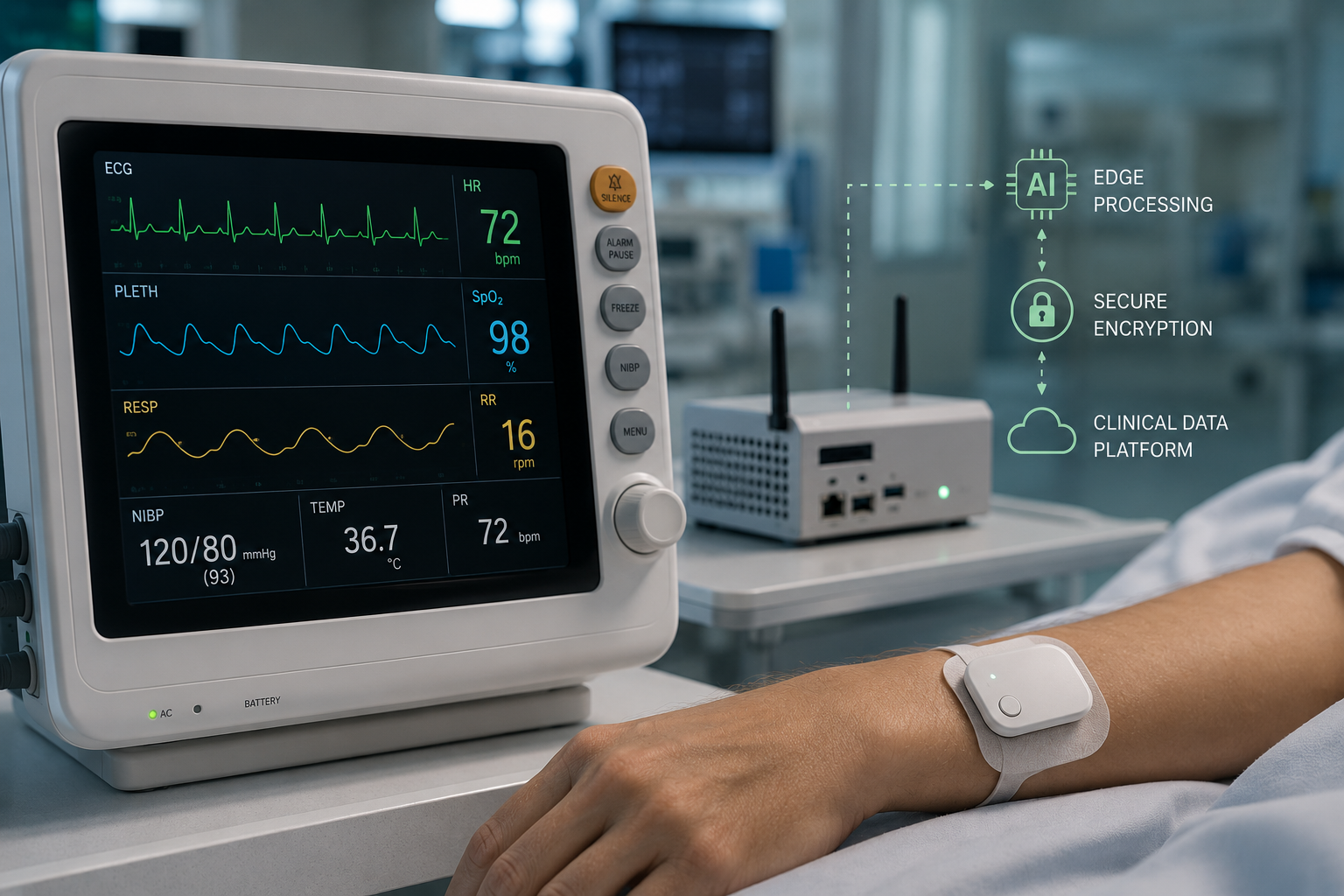
Philips supplies patient-monitoring systems used across operating theatres, recovery areas, intensive-care units, emergency departments, and general wards. Combining specialist sensing with an established monitoring platform can reduce the number of isolated displays and interfaces surrounding the patient, while allowing measurements to travel through existing alarm, documentation, and central-monitoring workflows.
Monitoring converges around clinical workflow
As medical instruments become more connected, the engineering challenge extends well beyond obtaining an accurate measurement. Sensors, algorithms, displays, alarms, communications links, and electronic patient records must operate as a coherent system, and each element influences how clinicians interpret the information presented. A technically sound instrument can still create operational friction when it requires another screen, another set of alarms, or a separate documentation process.
Integration therefore reaches into software architecture, cybersecurity, interoperability, usability engineering, and regulatory control. Data must retain its meaning as it moves between devices, while alarm priorities and user-interface behaviour need to remain consistent across different clinical environments. Changes to one subsystem can trigger verification work elsewhere, particularly when software updates alter displayed values, communications behaviour, or clinical decision support.
Continuous perioperative monitoring is also expanding as hospitals seek to reduce avoidable complications during the period before, during, and after surgery. Intermittent checks can miss changes that develop between observations, yet additional monitoring only improves care when equipment is reliable, easy to use, and integrated closely enough to become part of normal clinical practice.
Product lifecycle control remains equally important. Medical electronics depend on qualified components, documented manufacturing processes, controlled design changes, and service support over periods that can outlast several generations of commercial semiconductors. Those pressures were examined in a recent feature on medical-device manufacturing resilience, where component availability and regulatory obligations were shown to shape design decisions long after initial approval.
Closer development between a specialist sensing company and a large monitoring supplier can expose these constraints earlier. Hardware interfaces, data formats, cybersecurity requirements, production test, and service procedures can be defined alongside the clinical function rather than being added after separate products are complete. The same coordination can reduce duplicated verification and provide a clearer path from prototype instruments into controlled manufacture.
Commercial scale will depend on more than the clinical value of the measurement. Hospital groups increasingly assess equipment as part of a broader digital estate, considering network management, software maintenance, identity control, alarm burden, training, and compatibility with purchasing frameworks. A product that fits an existing monitoring environment can move through these practical barriers more readily than a standalone system requiring new infrastructure.
The first joint products have yet to be identified, and the companies have not set a launch date. Development will now need to align clinical requirements with hardware architecture, software integration, manufacturing readiness, and regulatory strategy, while preserving the measurement performance that gives the specialist technology its value.
The agreement opens access to Philips’ global hospital organisation while preserving Senzime’s technical focus on perioperative monitoring. Philips, meanwhile, gains a route to incorporate specialised measurement capability into a broader patient-monitoring environment as hospitals continue to favour connected systems over isolated bedside devices.