IN Brief:
- Zilogic Systems is Morse Micro’s first Design Partner based in India.
- The agreement provides firmware, system software, board bring-up and test automation services.
- The partnership supports engineering integration of existing Wi-Fi HaLow silicon rather than launching a new chipset.
Morse Micro has added Zilogic Systems to its Wi-Fi HaLow Design Partner Program, establishing its first partner based in India and expanding the engineering support available to developers using the company’s wireless semiconductor technology.
The appointment was announced on 8 October 2026. Chennai-based Zilogic will provide firmware, system software, technical consulting, test automation and board bring-up services. The agreement concerns integration of Morse Micro’s existing silicon rather than the launch of a new wireless chipset or development board.
Wi-Fi HaLow is based on IEEE 802.11ah and operates in sub-1 GHz frequency bands within the limits permitted by regional regulation. Compared with familiar Wi-Fi bands at higher frequencies, it offers different propagation and coverage characteristics that may suit distributed sensors and industrial monitoring equipment.
Operating at a lower radio frequency can be helpful where devices must communicate through buildings or across wide sites, but the usable connection distance is not a fixed product characteristic. Antenna efficiency, permitted power, interference, terrain and obstacles influence practical coverage.
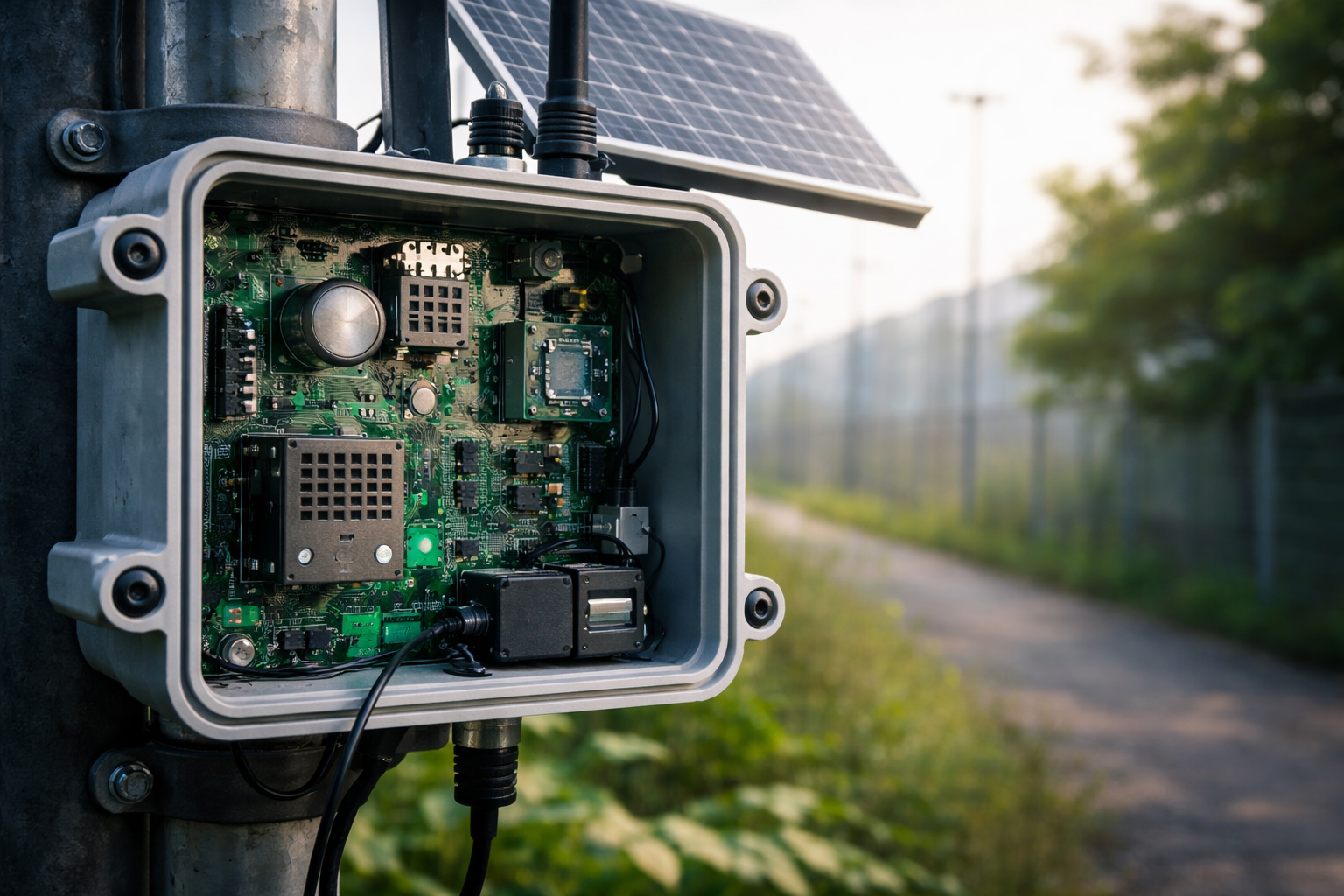
A wireless system built around a semiconductor device requires considerably more development than simply connecting a radio module to a processor. The complete product needs a suitable power supply, RF routing, antenna matching, host interfaces and software capable of configuring and supervising network operation.
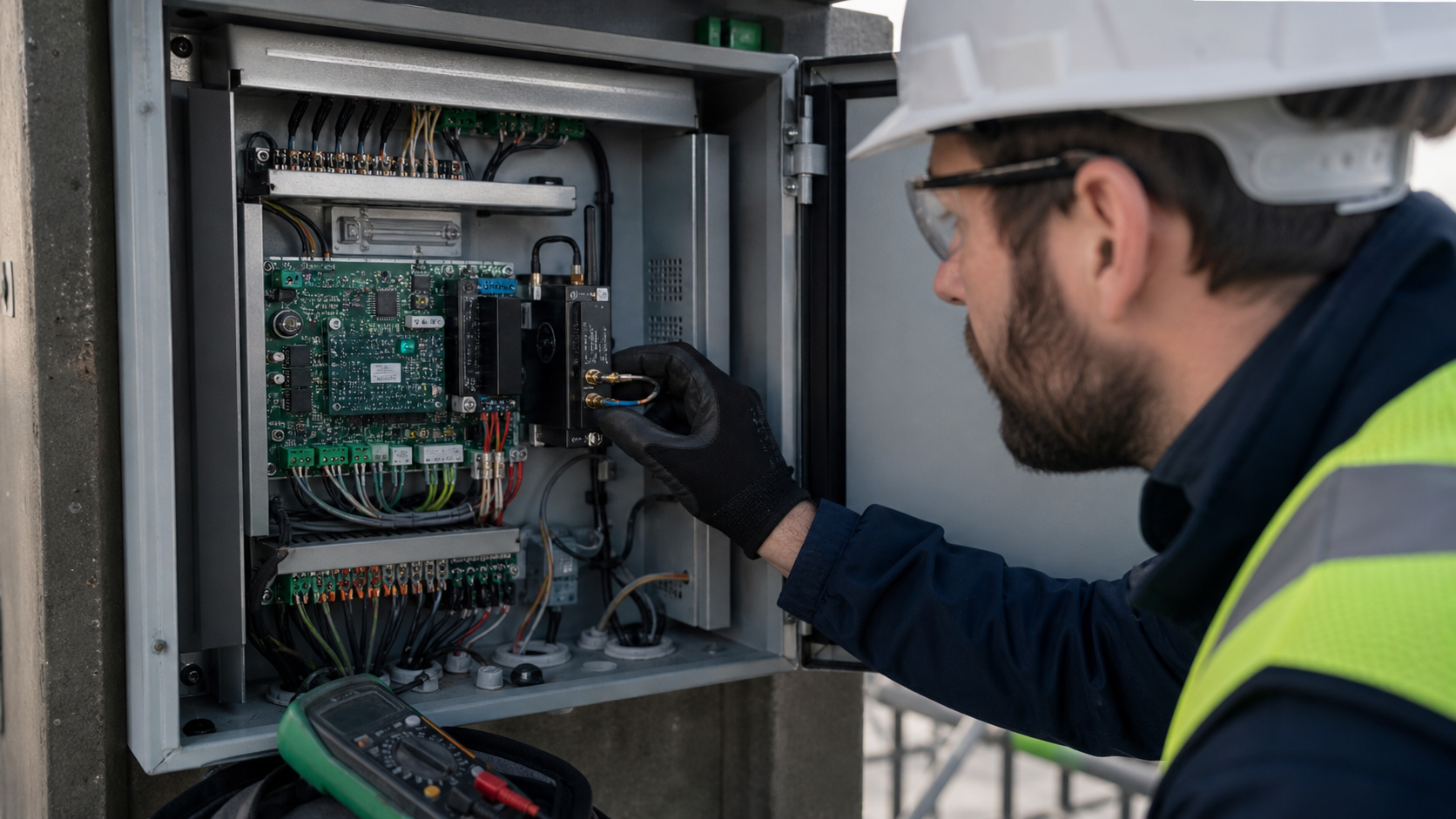
Board bring-up establishes that these functions work together on the actual hardware. Engineers may need to resolve clocking, reset sequences, voltage rails, peripheral configuration and signal integrity before an embedded operating system can communicate reliably with the radio.
Zilogic’s support includes embedded Linux and other system software work. Integrating a Wi-Fi HaLow interface into such platforms may require driver development, network configuration, device provisioning and coordination with the application that uses the connection.
The specific application can determine how the radio should balance throughput, latency and energy consumption. A battery-powered sensor sending occasional measurements faces different constraints from a fixed industrial gateway transmitting continuous information between networks.
Validation is therefore essential across representative duty cycles and radio conditions. A device may connect successfully in a laboratory but still encounter packet loss, reconnection problems or excessive power use when installed near metal structures or other wireless equipment.
Test automation can help reproduce these conditions and detect regressions across firmware revisions. Automated tests still depend on the quality of their underlying scenarios and the accuracy of the measurement equipment used to establish whether the link operates correctly.
For products deployed for many years, the software lifecycle matters alongside initial connectivity. Security maintenance, firmware updates and compatibility with networking infrastructure can require ongoing engineering after a design has passed initial qualification.
Morse Micro says its partner programme connects chip developers and equipment manufacturers with engineering organisations familiar with its hardware. Zilogic joins a network of other design partners, while the India appointment extends the programme to a market with established industrial and automotive electronics development activity.
The release gives no confirmed new customer shipment volumes or product certifications arising from the agreement. It also does not provide an application-level range or battery-life result for a Zilogic-developed device, and such performance should not be inferred from the capabilities of Wi-Fi HaLow in general.
A design services partner can help identify these integration risks before a product reaches wider trials. For industrial devices, a validation programme may need to cover interrupted power, recovery after network loss, software update behaviour and the effect of enclosure changes on antenna performance. The appropriate tests depend on the equipment and cannot be assumed to have been completed merely because a partnership has been announced.
The immediate milestone is access to local embedded engineering and validation support in India. Actual hardware outcomes will depend on the individual equipment programmes and the evidence gathered during radio, software and system testing.