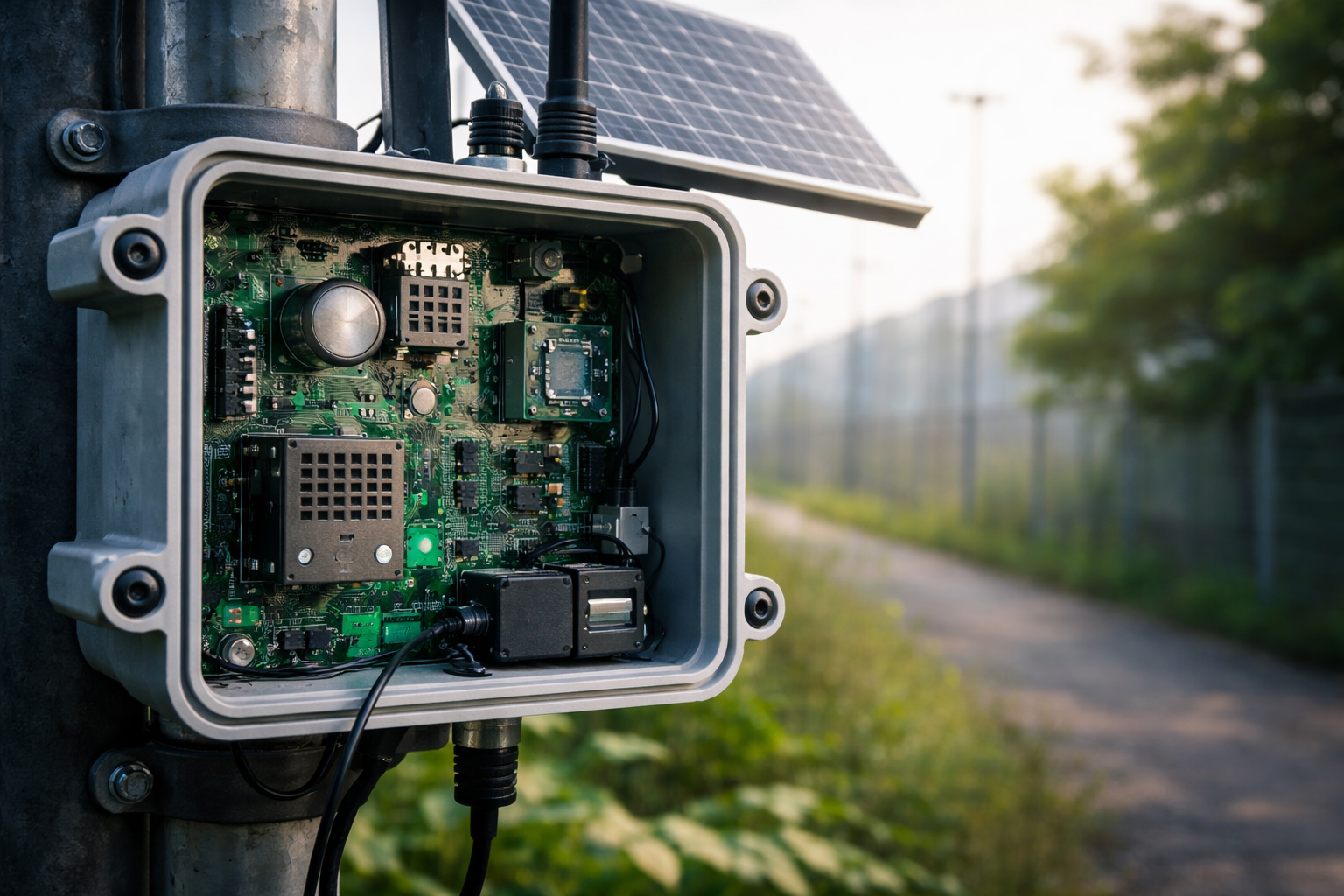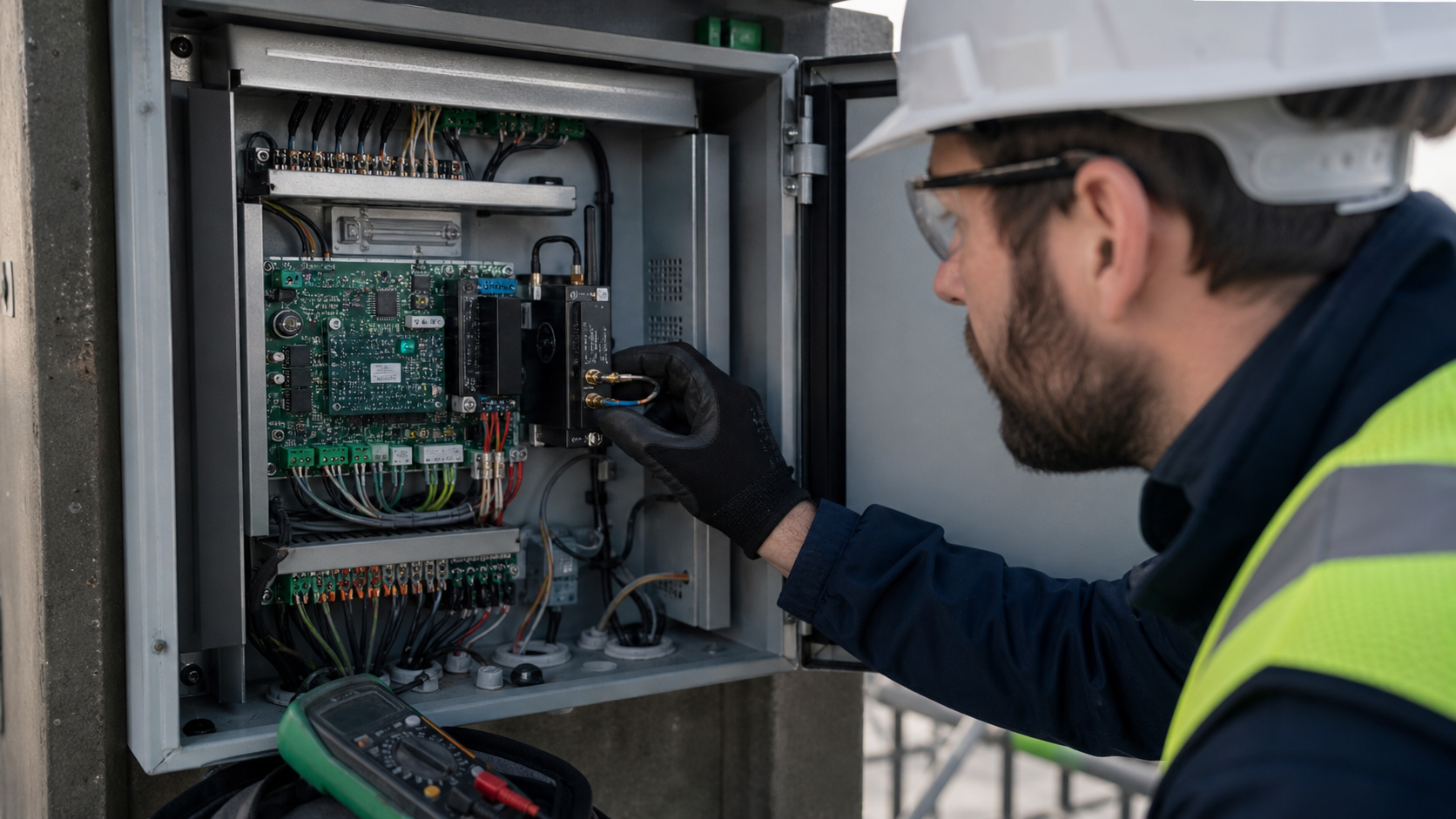
IN Brief:
- UL evaluated Hubei Henglong’s redundant AP04 steering platform for ISO 26262 ASIL-D product certification.
- The control platform provides two independent channels intended to retain functionality after a single-channel failure.
- The 9 October product certificate is separate from an earlier automotive development-process assessment.
China Automotive Systems has announced product-level ISO 26262 ASIL-D functional safety certification for the redundant AP04 electric power steering platform developed by its Hubei Henglong subsidiary. The company reported the milestone on 9 October following evaluation by UL, a third-party organisation selected by an international customer.
The AP04 platform uses an independent dual-channel architecture intended to preserve steering control if one channel fails. It is being developed for vehicle applications with stringent functional safety demands, including steering architectures relevant to higher levels of automated driving.
The certificate applies to the assessed product and its defined safety scope. It must not be interpreted as a general approval for any complete autonomous vehicle, or as evidence that every vehicle architecture incorporating the controller automatically satisfies its own functional safety requirements.
Electric power steering relies on sensing, control electronics and electrically driven actuators to implement steering assistance or commands. A fault in an input channel, processor, power supply or actuation interface can affect the intended steering behaviour, making failure detection and controlled response central to the design.
ISO 26262 provides a framework for managing the functional safety of electrical and electronic systems in road vehicles. Automotive Safety Integrity Levels establish the required rigour of design and verification activities for functions associated with particular hazardous situations. ASIL-D is the highest level within that scheme.
Redundancy can reduce the impact of a single component or control-channel failure, provided that the remaining channel can perform the necessary safety function. Duplicating components is not sufficient by itself: systems must also address common-cause failures, diagnostic coverage and shared dependencies that could disable both channels.
Henglong describes AP04 as independently redundant. The announcement says that when a channel fails, a backup link can maintain effective steering operation. The actual performance depends on the implementation and verified fault response; the release does not provide a complete circuit diagram or all detailed validation reports.
Functional safety evidence typically connects identified hazards and safety goals to implemented design measures, tests and documentation. Assessment must examine how the equipment behaves under defined faults and whether its diagnostic measures detect dangerous conditions within the response times required by the safety concept.
Product-level evaluation is distinct from an assessment of the organisation’s software and systems development processes. China Automotive Systems separately reported an ASPICE 4.0 capability assessment earlier in October. That milestone concerns development processes, while the AP04 announcement concerns safety evaluation of the product platform.
The company also refers to the platform in the context of Level 3 and Level 4 driving automation. Those descriptions indicate intended application areas, not that the steering controller independently delivers automated driving. The complete vehicle requires a broader arrangement of sensors, decision systems, actuators and operating safeguards.
Integration presents additional requirements because steering electronics must communicate with other vehicle functions through networks and power systems. Communication faults, supply disturbances, actuator behaviour and the mechanical steering assembly can all influence how an assessed controller performs once incorporated into a vehicle.
UL evaluation and the resulting certificate provide a substantive qualification milestone, but commercial deployment still depends on customer engineering and vehicle-specific validation. The October announcement does not identify confirmed installed production volumes or show that every prospective customer has accepted the same hardware configuration.
China Automotive Systems says the development strengthens its position for global automotive programmes. That commercial outcome remains prospective. The immediate verified development is the AP04 platform’s product-level functional safety certification, with future manufacturing adoption subject to vehicle programme decisions and integration work.
The scope of the certificate is especially important when a platform is adapted to a different vehicle. Changes in power architecture, actuator type or vehicle communication interfaces may require further assessment because a safety claim established for one configuration cannot automatically be carried into another without supporting evidence. Customer integration must account for these boundaries.