IN Brief:
- Nigel AI can generate LabVIEW measurement code from prompts and create TestStand sequences from specification documents.
- TestStand generation can map existing LabVIEW or Python modules and create placeholders where code is not yet available.
- Farnell is extending access to the software through its global electronics distribution operation.
Farnell is expanding access to Emerson’s NI Nigel AI as new code and test-sequence generation functions move the software from contextual assistance into direct creation of parts of an electronic validation workflow.
The latest capabilities include prompt-based measurement code generation within LabVIEW and automated sequence creation in TestStand. Earlier Nigel functions concentrated more heavily on guidance and engineering assistance, while the newer release can create software that forms part of the executable test application.
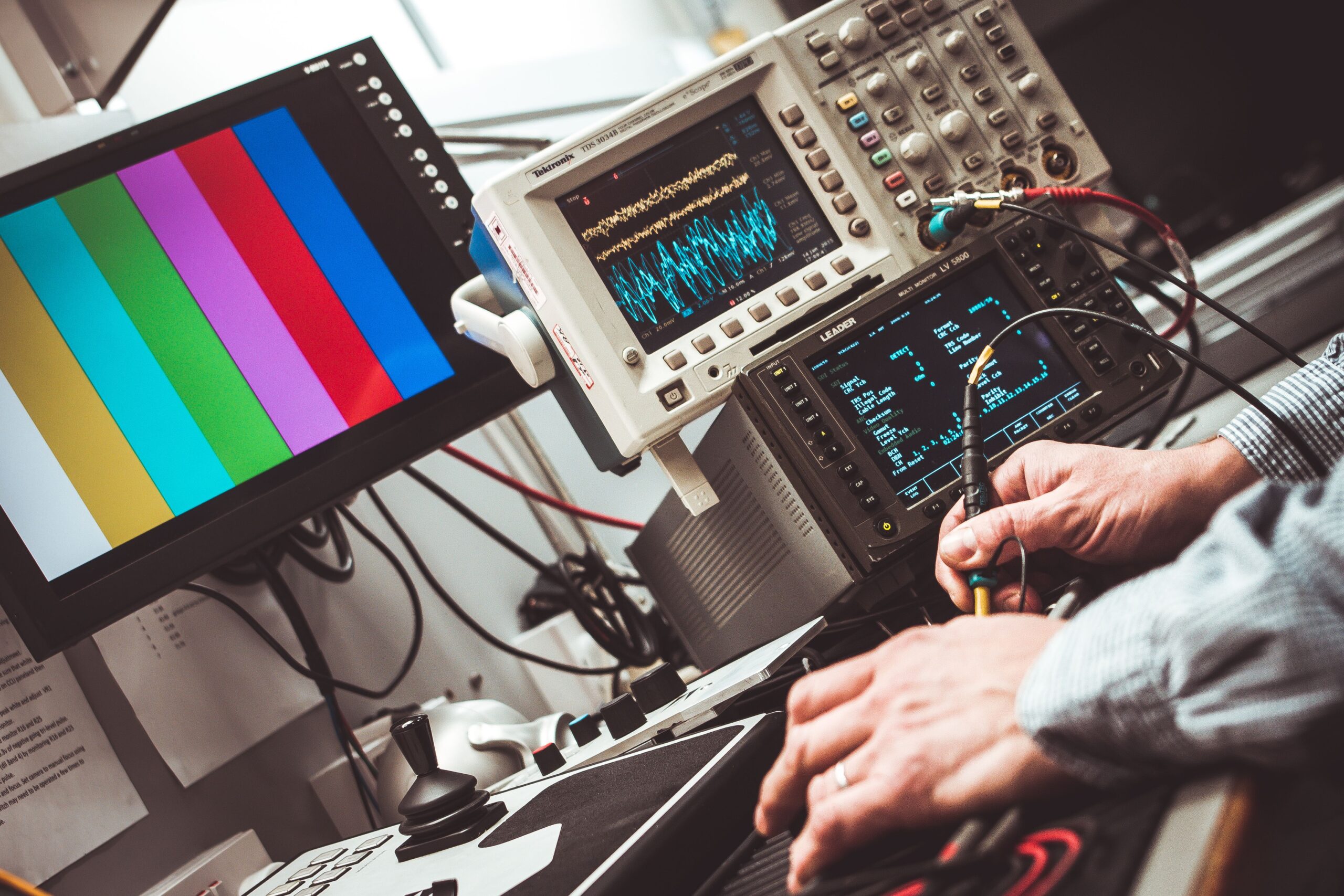
Within LabVIEW, Nigel can generate measurement virtual instruments from natural-language prompts, with particular emphasis on hardware connected to the development system. TestStand can use a specification document to construct a sequence, insert LabVIEW and Python steps, connect those steps to existing code modules, and create placeholders where application code has yet to be written.
The change places generative AI closer to measurements and pass-fail decisions than a documentation assistant or general coding tool. Electronic test applications have to preserve measurement limits, sequencing, error handling, instrument configuration, logging, timing, and traceability as well as produce syntactically valid code.
Emerson has developed Nigel specifically around NI test and measurement software rather than treating it as a general-purpose coding assistant. Integration with the LabVIEW+ environment gives the tool access to application and test-system context that would otherwise have to be described separately to a broader AI service.
Farnell is extending commercial availability through its electronics distribution operation, putting the software alongside the NI hardware and development tools already supplied to laboratories, manufacturing organisations, universities, and industrial engineering teams.
Code generation can remove some of the repetitive work involved in creating an initial measurement application, particularly where the required instruments and measurements are well defined. TestStand sequence generation can similarly accelerate the construction of a first orchestration layer by mapping available code modules into a structured flow.
Verification does not disappear when that first version is generated automatically. A sequence may compile and execute while still containing incorrect limits, unexpected branching, mismatched parameters, incomplete error handling, or assumptions about the connected hardware that only appear under particular operating conditions.
NI’s own documentation retains that distinction, stating that generative AI output requires engineering review. The company places responsibility for correct application behaviour with the user and emphasises code that can be read, debugged, and validated rather than treating generated content as automatically suitable for production.
TestStand makes this particularly relevant because it often acts as the layer joining measurements, instruments, code modules, databases, result handling, and manufacturing decisions. Changes at sequence level can therefore affect several parts of a test system even where the underlying measurement code remains unchanged.
Generating only the application-specific portions of that system can limit some of the risk. LabVIEW and TestStand continue to provide established execution, sequencing, reporting, and hardware-integration functions, while Nigel is used to create or assemble code within those frameworks rather than reproducing the entire test-management environment.
Emerson said in July that representative workflows indicated reductions of as much as 50% in test-development time and effort. Farnell also cites an NI Connect demonstration in which a task described as taking around 20 hours with conventional coding AI tools was completed in roughly 20 minutes using Nigel. Those figures reflect vendor-selected workflows and are not universal productivity guarantees.
The result will vary considerably with the existing test architecture. A new laboratory application built around standard instruments and a well-structured specification presents a much simpler generation problem than a long-lived production line containing custom drivers, legacy modules, database interfaces, calibration dependencies, and controlled change procedures.
Nigel’s latest functions nevertheless move AI further into the executable part of electronic test. Initial LabVIEW code and TestStand sequences can be produced more quickly, while validation, boundary testing, hardware integration, and responsibility for the resulting measurements remain within the engineering process.