IN Brief:
- Wonderful PCB has expanded reverse-engineering and board reconstruction services around legacy and undocumented electronics.
- The offering covers schematic, BOM, and layout recovery, with support for multilayer boards, component identification, and related rebuild work.
- The strongest demand is likely to come from sectors where installed hardware remains in service long after the original design files have disappeared.
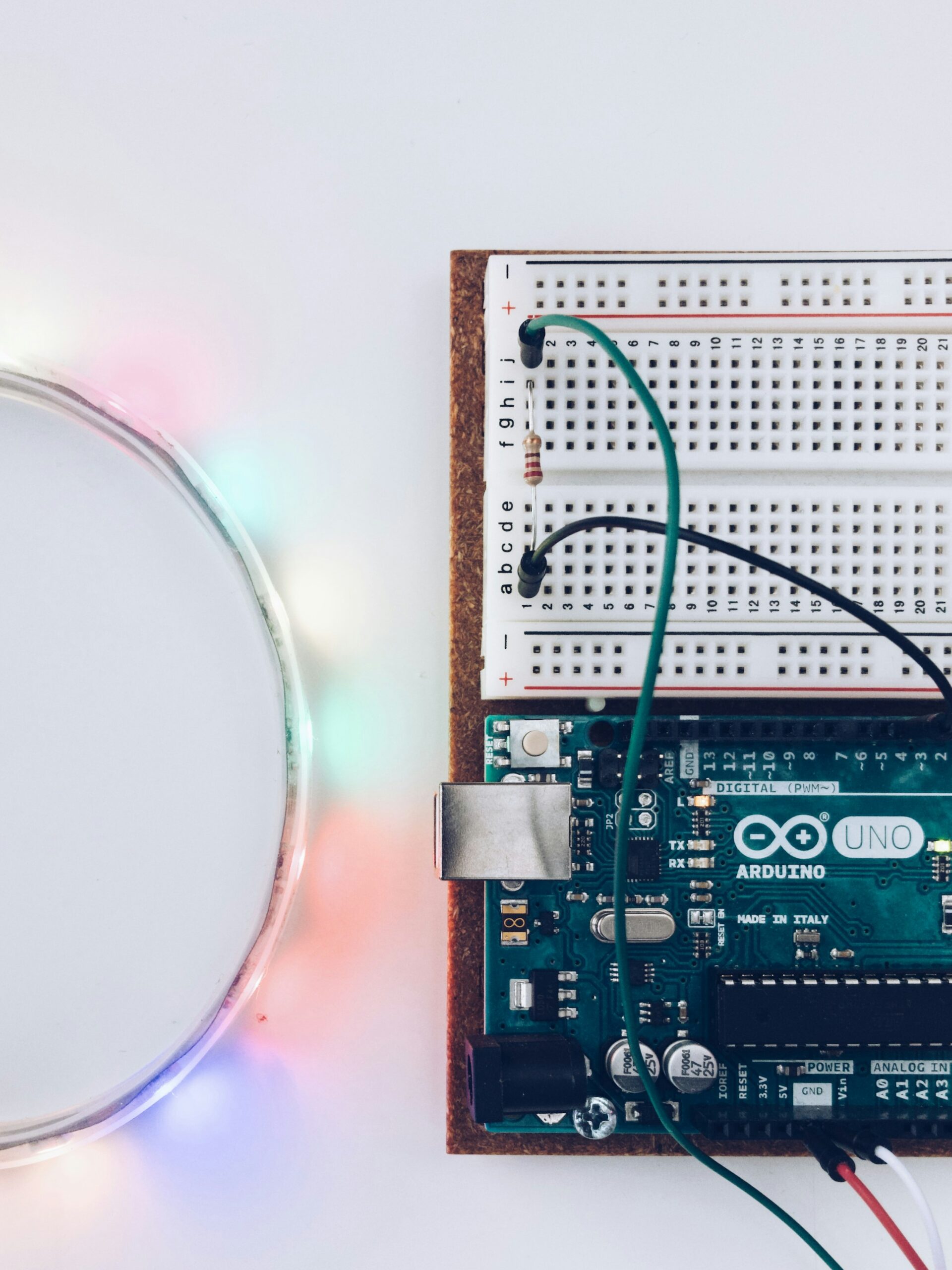
Wonderful PCB has expanded its PCB reverse-engineering and reconstruction services, targeting a familiar but increasingly costly problem in electronics manufacturing: the legacy board that still matters, but no longer has a complete design history attached to it.
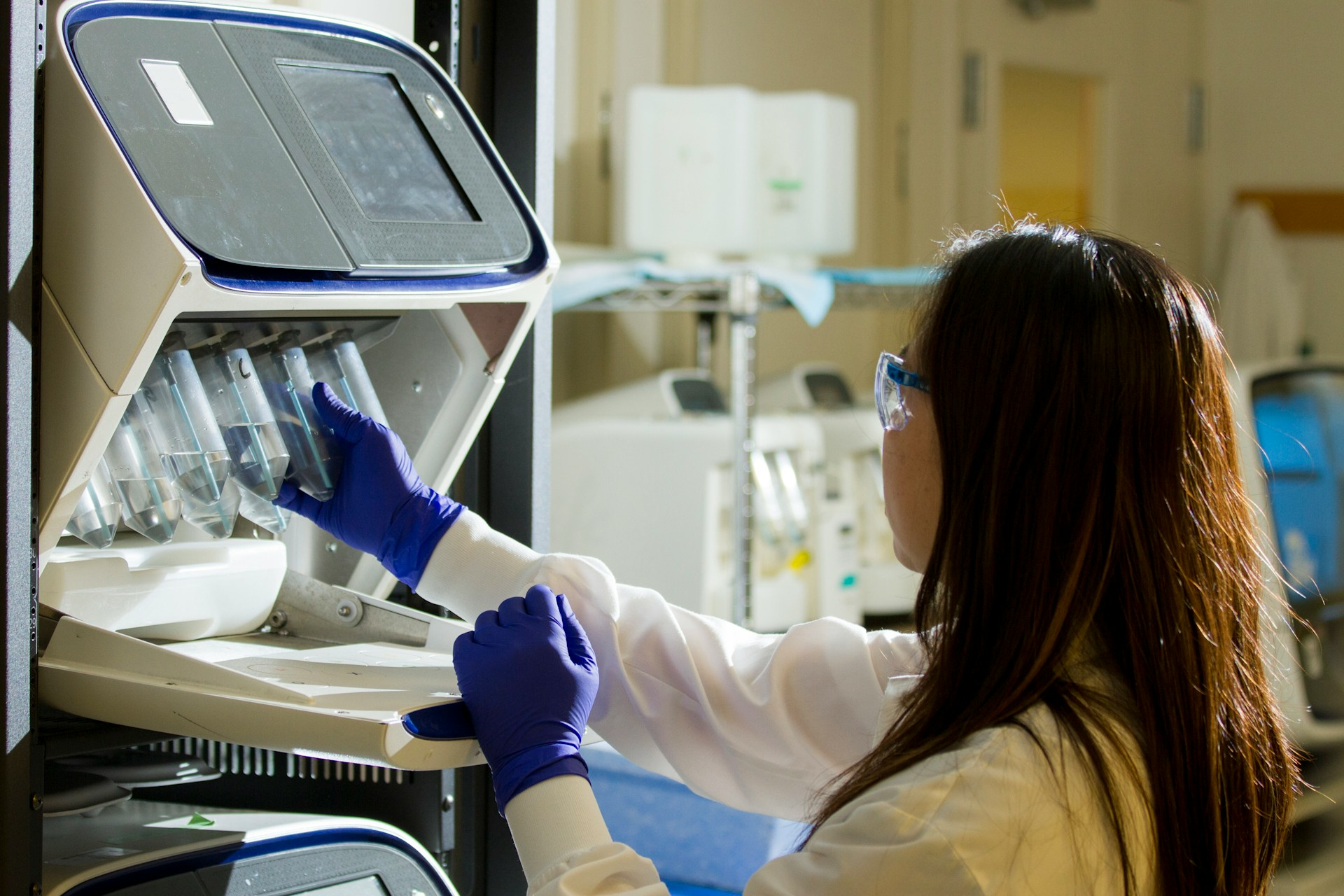
The company is positioning the service around recovery of engineering files from physical PCB or PCBA samples, including Gerbers, schematics, and bills of materials. It also offers layout recreation, component identification and substitution, firmware extraction where applicable, and support for boards up to 28 layers. The framing is practical rather than novel: if a board remains operationally important, but documentation is missing or incomplete, rebuilding the design can be faster than replacing an entire subsystem.
That is particularly relevant in medical electronics and industrial control, where fielded systems often outlive the organisations, product teams, or suppliers that originally created them. Redesign is rarely frictionless in those environments. Qualification, service continuity, component obsolescence, and regulatory obligations all make “just replace it” a more expensive answer than it first appears.
The more credible part of the pitch is therefore lifecycle extension, not cloning for its own sake. Wonderful PCB says projects can be handled under NDA and is aiming the offer at owners of legacy or poorly documented hardware who need design recovery for repair, controlled redesign, or restart of production. More detail is available on its reverse-engineering services page.