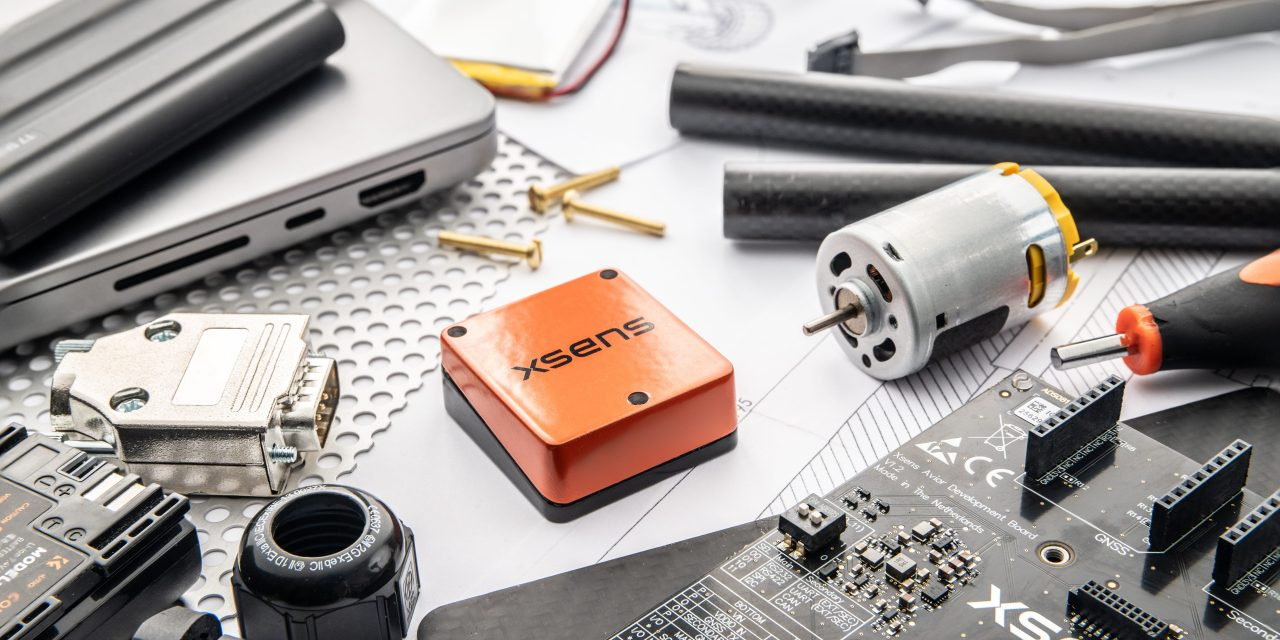
Xsens has introduced a Heave feature for its industrial-grade Sirius and Avior inertial measurement units, targeting wave motion compensation and active stabilisation in marine applications. The update is intended to give system designers access to vertical displacement data alongside roll, pitch, and yaw, without stepping up to larger or more complex motion reference units.
The Heave output operates at up to 100Hz and is processed directly on the device, reducing latency and simplifying system integration. For offshore control systems, where timing and stability margins are tight, removing reliance on external processing can materially improve performance.
Xsens states that the system delivers approximately 5cm heave accuracy for wave periods up to 29 seconds, extending to around 6cm for periods up to 40 seconds. The algorithm is based on proprietary sensor fusion techniques, incorporating phase correction and bias estimation to manage long-term drift.
A practical feature highlighted in the release is support for user-defined Centre of Rotation and Point of Interest offsets. This allows motion data to reflect the actual behaviour of a vessel or payload rather than the physical mounting position of the sensor, reducing the need for mechanical compromises during installation.
Ayush Sharma, Algorithms Engineer at Movella, said the update allows engineers to obtain vertical displacement data directly onboard, alongside traditional orientation outputs, without the size or certification overhead associated with tactical-grade systems.
The Heave functionality is available via firmware update for existing Sirius and Avior units, with new devices shipping with the feature enabled. Configuration and access are supported through MT Manager and the Xsens SDK.
Avior is positioned as an OEM module, while Sirius is supplied as a standalone motion reference unit in an IP68-rated enclosure, with support for interfaces including RS-422, CAN, and UART. Both products are aimed at marine, offshore, and industrial applications where real-time motion data is critical.