IN Brief:
- Greene Tweed has expanded Chemraz cleanroom manufacturing and equipment capacity at its Ochang facility.
- The operation supplies specialised sealing components for semiconductor processing equipment.
- The company received a Korean ministerial award on 3 November recognising its investment and contribution to the regional semiconductor industry.
Greene Tweed has expanded cleanroom manufacturing and equipment capacity at its Ochang facility in South Korea, increasing production resources for Chemraz sealing components used in semiconductor fabrication equipment.
The additional capacity forms part of the company’s continued investment in the Korean semiconductor supply chain. Its Ochang operation manufactures specialised sealing products for equipment operating under demanding chemical, thermal, and contamination-control conditions.
Greene Tweed has not disclosed the capital expenditure associated specifically with the latest expansion, the additional annual production volume, or the individual compounds being manufactured using the new equipment.
The development follows the original establishment of the Ochang facility, which was completed in 2024. The more recent investment expands manufacturing capabilities at that existing operation rather than representing the opening of a new factory.
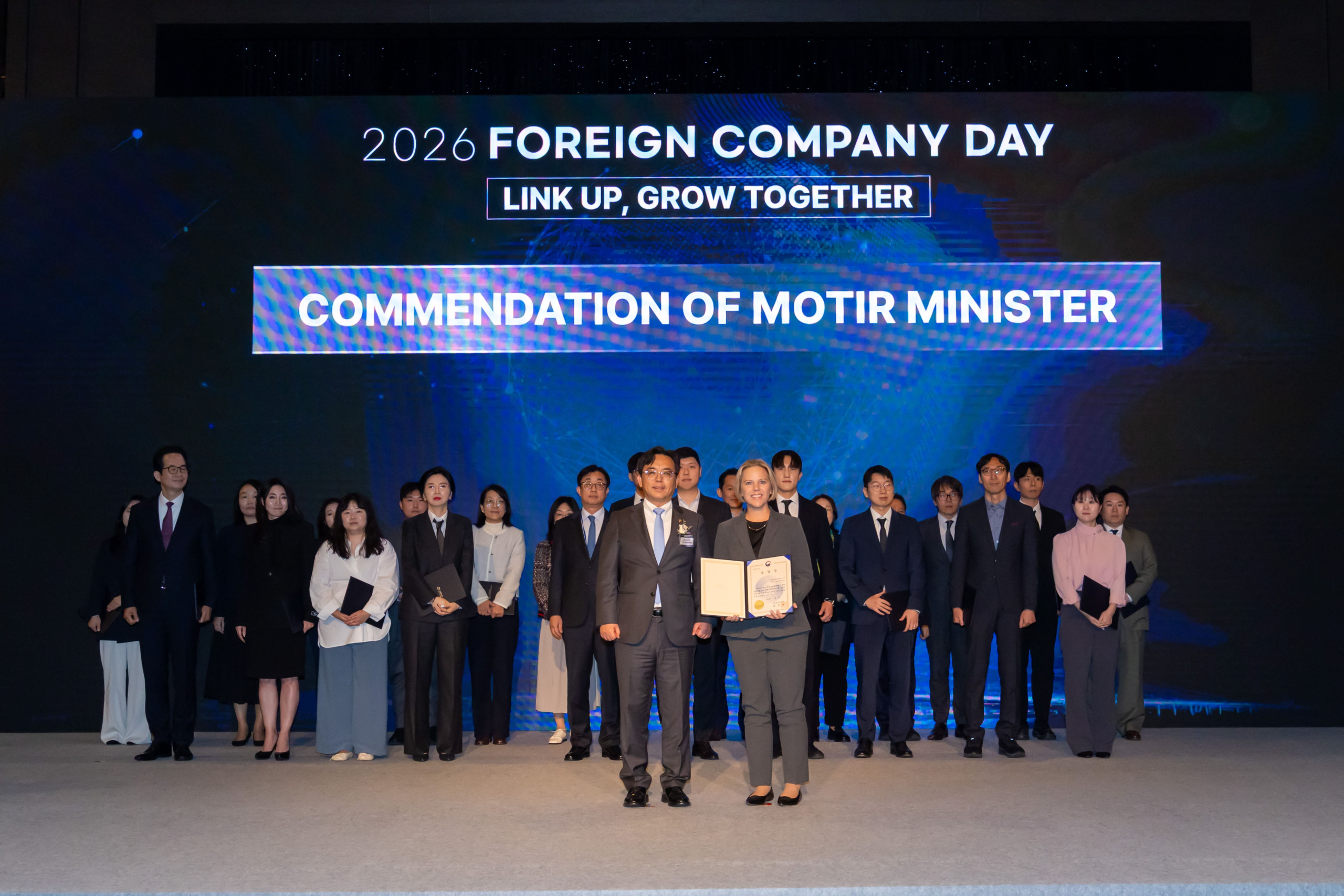
The company highlighted its Korean manufacturing activities after receiving recognition at the country’s 2026 Foreign Company Day. Magen Buterbaugh, President and CEO of Greene Tweed, accepted a Minister of Trade, Industry and Resources Award at the ceremony in Seoul on 3 November.
The award recognised the company’s contribution to investment and semiconductor industry development in South Korea. Its significance for semiconductor manufacturing is connected to the continuing production investment at Ochang, where additional cleanroom equipment supports the manufacture of specialised materials and components.
Chemraz is Greene Tweed’s family of perfluoroelastomer materials, commonly described by the abbreviation FFKM. These materials are used to manufacture seals for equipment exposed to challenging process conditions, including elevated temperatures, aggressive chemical environments, and plasma processing.
Semiconductor fabrication involves repeated stages of deposition, etching, cleaning, and other operations that modify the materials forming electronic devices. The equipment used for these processes must maintain controlled environments while allowing gases, chemicals, and wafers to enter or leave the appropriate processing areas.
Sealing components help maintain the required separation between those environments. They are installed in locations such as chamber lids, valves, gas connections, and access openings, where loss of sealing integrity can interrupt processing or allow unwanted material to enter the system.
Different semiconductor manufacturing processes expose seals to different combinations of temperature, chemical species, pressure, and mechanical movement. Material selection therefore depends on the conditions of the specific chamber or equipment assembly rather than the general classification of the product as an elastomer seal.
Plasma-based processes can present particularly demanding conditions. Reactive species generated during processing may attack exposed surfaces, changing their properties or contributing to material degradation.
Surface deterioration can result in the release of unwanted particles. In semiconductor fabrication, contamination is tightly controlled because particles and other foreign material can interfere with the structures being manufactured on wafers.
Greene Tweed develops Chemraz compounds with different performance characteristics for these applications. Its product portfolio includes materials intended for dry plasma processing, chamber sealing, valve assemblies, and gas delivery connections.
The company identifies resistance to plasma exposure, chemical compatibility, low particle generation, and thermal stability among the characteristics of selected semiconductor-grade Chemraz formulations. Individual compounds have different operating limits and must be matched to the process environment.
Some formulations are designed for aggressive fluorine plasma conditions, while others are intended for broader dry processing applications. Their suitability also depends on whether the seal is used in a static arrangement or an assembly involving repeated movement.
Mechanical behaviour is an additional consideration. A seal must maintain sufficient contact pressure against the surrounding surfaces while accommodating changes in temperature and the effects of prolonged compression.
Permanent deformation can reduce sealing force over time, making compression-set characteristics important when a component is expected to remain installed through extended operating periods.
Equipment maintenance schedules are influenced by the performance of consumable and replaceable components. A seal that deteriorates prematurely may require a chamber to be opened, interrupting production while the component is replaced and the equipment is returned to its operating condition.
The operating consequences depend on the equipment and process involved. Greene Tweed’s materials are intended to address specific reliability and contamination requirements, but the latest manufacturing expansion does not establish a new performance specification for an individual Chemraz product.
Cleanroom manufacturing provides controlled production conditions for components intended for contamination-sensitive applications. The requirements can differ between products, with manufacturers managing material handling, processing, inspection, and packaging according to the needs of the finished component.
Increasing equipment capacity within an established production facility can support higher manufacturing output, although realised production volume depends on equipment utilisation, staffing, customer demand, and the qualification requirements associated with the products being made.
Regional production also places manufacturing resources closer to major South Korean semiconductor customers and equipment supply chains. The practical benefits depend on the company’s production arrangements, the locations of its customers, and the components they require.
Greene Tweed’s Ochang facility was originally developed to support semiconductor equipment and materials requirements within the Korean market. Its recent Chemraz expansion strengthens that existing manufacturing role without altering the underlying nature of the products being supplied.
Buterbaugh linked the company’s continued Korean investment to its relationships with semiconductor manufacturers and the long-term development of local capabilities. JT Kim, Greene Tweed’s Manufacturing Site Operations Leader in Korea, also identified increased manufacturing capacity and technology development among the company’s priorities.
The expansion provides additional production resources for components used in semiconductor processing, but its precise scale has not been quantified. Subsequent manufacturing disclosures will establish how much output the new equipment adds and whether further product lines are introduced at Ochang.