
IN Brief:
- Lauterbach’s TRACE32 development tools now support NXP CoolFlux DSPs.
- The support covers debugging and non-intrusive trace capture for CoolFlux cores.
- The update targets ultra-low-power audio, sensing, and software-defined radio applications.
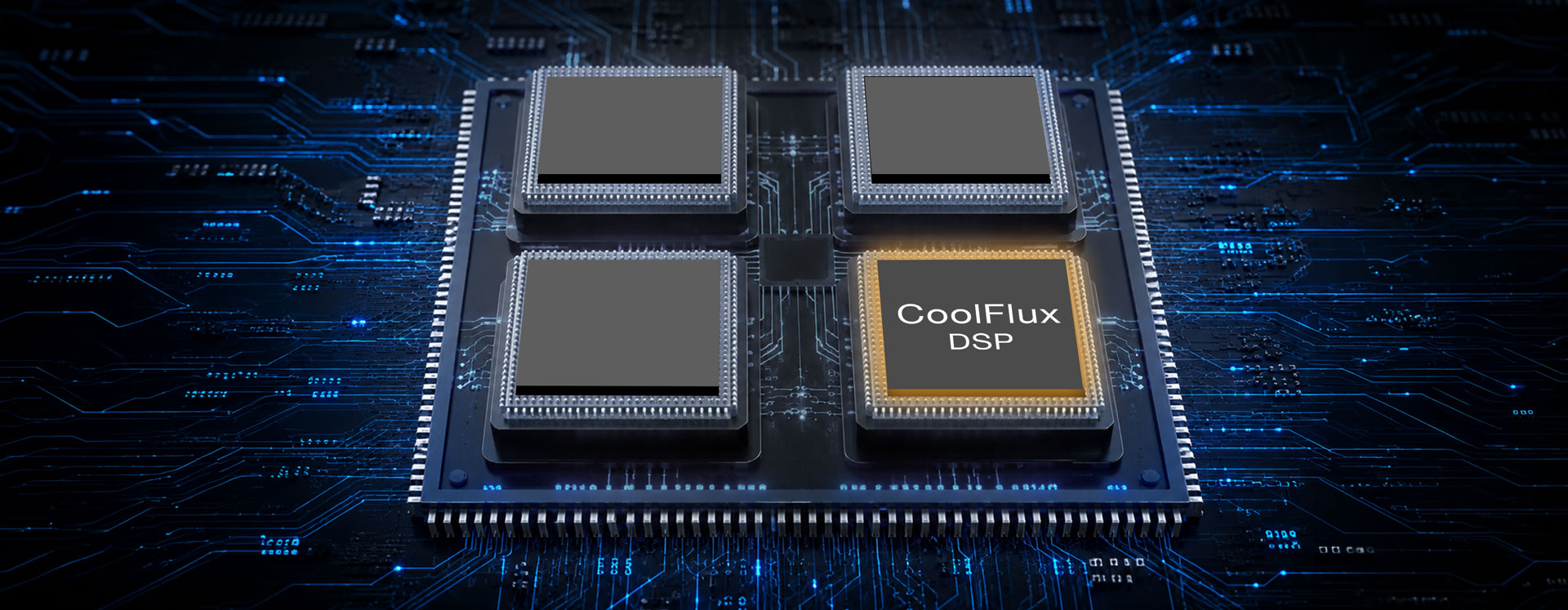
Lauterbach has extended its TRACE32 development tools to support NXP Semiconductors’ CoolFlux DSPs for audio, sensing, and software-defined radio applications.
The update adds debugging of CoolFlux DSP cores and non-intrusive trace capture. TRACE32 includes the PowerView debugging and tracing software, together with debug and trace accelerator modules. Lauterbach’s PowerDebug hardware supports high-speed download, responsive debugging, and test automation, while PowerTrace modules provide real-time trace visibility without changing the target’s runtime behaviour.
CoolFlux DSP technology is used in ultra-low-power embedded signal-processing applications, including audio subsystems, voice processing, intelligent sensing, and software-defined radio baseband functions. The CoolFlux DSP16 and DSP16L line is used for speech and intelligent sensor signal processing, while CoolFlux BSP technology is embedded in chips for ultra-low-power software-defined radio baseband applications.
Low-power embedded designs increasingly rely on small specialised cores operating alongside microcontrollers, application processors, wireless subsystems, or sensor interfaces. A DSP handling audio, wake-word detection, sensor preprocessing, or SDR functions may consume little power, but it can still determine whether the system feels responsive, reliable, and efficient. Weak visibility into those cores can slow debugging and make timing faults difficult to reproduce.
Non-intrusive trace is particularly valuable where low-power and real-time constraints intersect. Stopping a processor to inspect a fault can destroy the conditions that caused the fault. Capturing execution behaviour without altering runtime performance gives developers a more accurate view of how software behaves under real workload conditions, including interrupt activity, buffer handling, task interaction, and sensor event timing.
Embedded systems are also becoming more heterogeneous. A single device may combine an Arm core, DSP, neural processing unit, radio subsystem, security engine, and sensor hub. Software teams then have to debug interactions between cores, memory regions, timing domains, and firmware layers, not only application code. Tool support that reaches into the specialised DSP layer reduces one of the blind spots in that architecture.
Complex silicon is already reshaping development flows in other markets. Allegro DVT’s role in the European CHASSIS automotive chiplet platform underlined the need for software and tooling around more distributed compute architectures in vehicles. Lauterbach’s CoolFlux support operates in a lower-power signal-processing class, but both developments show how debugging tools have to follow the architecture as specialised compute blocks multiply.
Software readiness is a recurring constraint across the embedded market. The Q2 electronics review placed virtual embedded platforms, edge AI, and software enablement alongside memory, power, packaging, and supply risks. Silicon capability is only useful when development teams can bring software up, observe behaviour, reproduce failures, and close validation gaps within the schedule.
Audio and sensing products often fail in ways that are practical rather than spectacular. A missed wake event, unstable sensor filter, unreliable voice trigger, or SDR timing issue can produce field problems that are hard to diagnose after deployment. TRACE32 support for CoolFlux DSPs gives engineers a more direct route into those behaviours before they reach production.
The extension strengthens Lauterbach’s role in heterogeneous embedded development. As more systems place specialised processing near sensors and radios to save power and reduce latency, debug and trace coverage will increasingly decide how quickly those architectures can be made reliable.

