
IN Brief:
- The kit includes ten certified eSIMs and three months of access to Kigen eIM and Kigen Pulse.
- Device tools and 13 activation-ready connectivity profiles support practical SGP.32 evaluation.
- Product teams can test profile changes, exception handling, resilience, and lifecycle operations before fleet deployment.
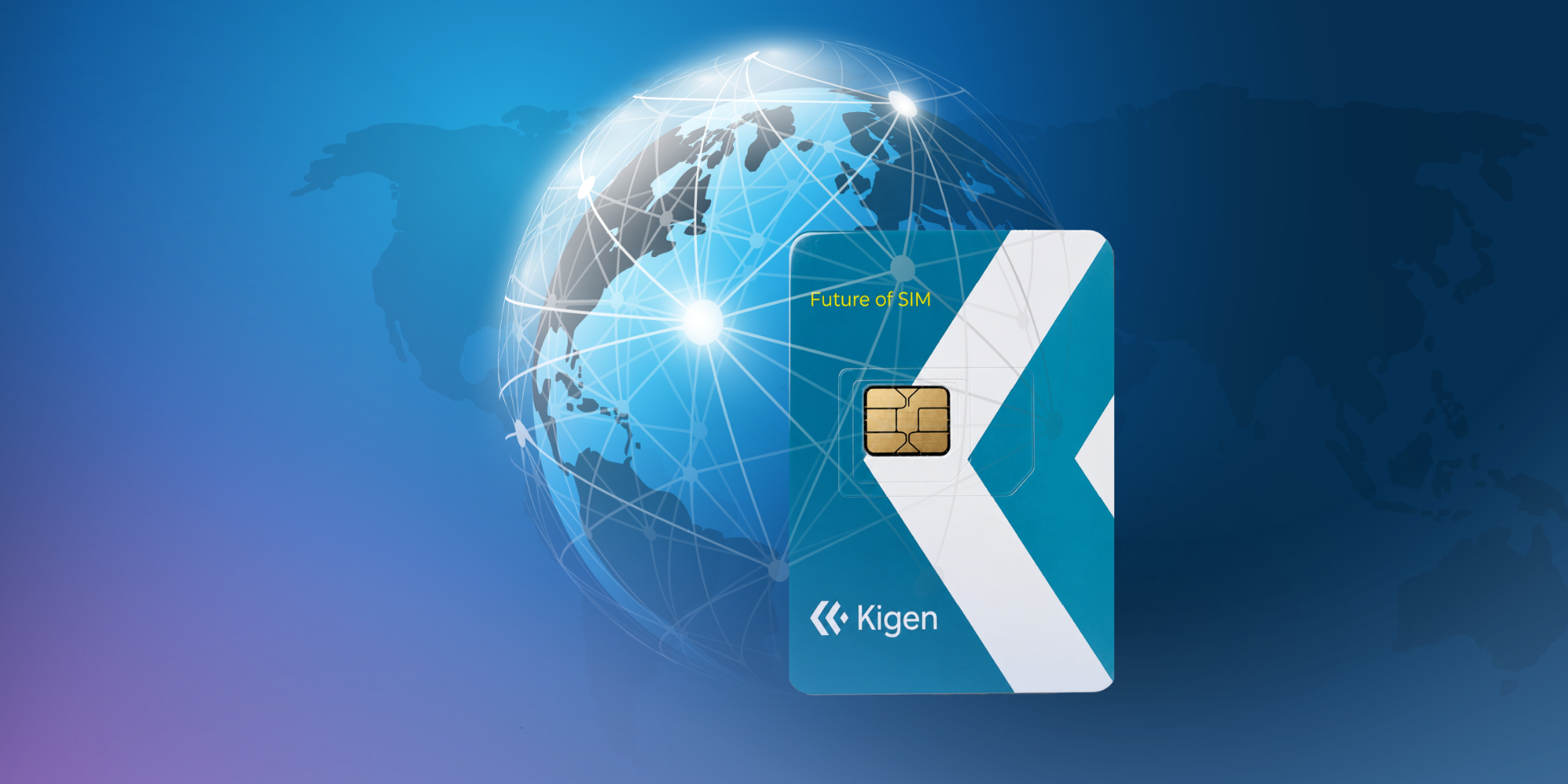
Kigen has opened access to an IoT eSIM Starter Kit designed to let manufacturers, OEMs, ODMs, embedded developers, and enterprise teams test SGP.32 remote SIM provisioning before committing connected products to pilot or fleet deployment.
The kit contains ten eSA-certified Kigen eSIMs and three months of access to the Kigen eIM remote-management platform and Kigen Pulse. Device-side tools include the Kigen C-SDK and IPAd, while connectivity profiles from 13 participating providers are prepared for activation.
Launch partners include 1oT, floLIVE, Hologram, iBASIS, KDDI America, KORE, NuvoLinQ, Onomondo, Pangea Connected, Semtech, Skylo Technologies, Soracom, and Zariot. Additional mobile network operators and virtual operators are preparing activation workflows, while hundreds of further profiles have already been tested for download.
SGP.32 was developed for IoT devices that may be unattended, power-constrained, remotely located, or built without a conventional user interface. It allows connectivity profiles to be downloaded and managed through an eSIM IoT Manager, reducing dependence on physical SIM replacement and operator-specific provisioning at manufacture.
A commercial implementation still spans several interdependent layers. The eSIM hardware and operating system must work with the modem, host software, eIM platform, selected operator profile, security controls, and the operational systems used to manage the wider fleet.
One successful profile download during development does not demonstrate reliable fleet operation. Teams need to test interrupted downloads, weak networks, authentication failures, profile rollback, recovery paths, device resets, provider changes, and the exceptions that arise once hardware is no longer physically accessible.
The three-month evaluation period covers activation, profile management, connectivity choice, high availability, network resilience, device-level control, and API integration. Those tests allow operating procedures to be developed before commercial volumes expose weaknesses in provisioning or recovery.
The kit builds on more than 18 months of Kigen eIM trials and over 100 customer projects moving towards commercial products. Digi International, Evergy, floLIVE, Itron, NuvoLinQ, and Robustel have worked with the SGP.32 technology across industrial systems, smart meters, tracking, payment terminals, wearables, and related applications.
Multi-provider access can reduce the number of hardware variants needed for equipment sold across several regions. One operator may suit the initial market but lack local access, regulatory fit, commercial terms, or resilience elsewhere, whereas a remotely managed profile architecture separates the connectivity decision from the physical board design.
OEMs can manufacture one cellular-capable platform and load an appropriate profile during production, distribution, installation, or field operation. ODMs can reuse more of the same design across customers while keeping operator selection outside the core electronics configuration.
Security nevertheless extends beyond the eSIM. The interaction between GDPR and IoT security places device identity alongside data governance, updates, access control, and lifecycle management. Protected credentials and controlled profile changes cannot compensate for an exposed application, weak API, or unmanaged firmware stack.
Cellular connectivity is also moving deeper into industrial infrastructure. The NMIS private 5G manufacturing trial demonstrated how dedicated networks can carry production data under controlled conditions, while SGP.32 addresses the device-side problem of maintaining identity and provider choice across public, private, terrestrial, and potentially non-terrestrial services.
Profiles from Skylo and Semtech introduce non-terrestrial connectivity into the evaluation environment. Hybrid coverage can support logistics, utilities, agriculture, environmental monitoring, and remote infrastructure where conventional mobile service is intermittent, although antenna design, modem capability, and power consumption still define practical performance.
Hardware cannot be separated from the provisioning model. Supported radio bands, certification, roaming rules, antenna efficiency, modem firmware, and network technology determine which profiles can deliver service. An eSIM cannot correct inadequate RF performance or a device that consumes excessive energy while searching for coverage.
Lifecycle economics will influence adoption across long-lived equipment. Remote profile management adds platform and operational costs, but it can avoid service visits, physical SIM replacement, additional product variants, and premature retirement when a network contract or coverage situation changes.
Smart meters, energy gateways, payment terminals, charging equipment, routers, and asset trackers are likely to remain deployed well beyond their original connectivity agreements. Provider changes made without replacing hardware can preserve the electronics investment and reduce dependence on one commercial network relationship.
Kigen’s Starter Kit turns SGP.32 into a controlled implementation environment rather than a specification exercise. Its effectiveness will be measured across repeated activation, recovery, security, and provider changes throughout the operating life of a deployed fleet, not merely by the first successful profile download.

