IN Brief:
- Phased production restarted on 4 August after the Kawashiri factory had been scheduled to resume one day later.
- Renesas is targeting restoration of pre-earthquake wafer-input capacity within approximately three weeks.
- The restart follows cleanroom, utility, equipment, and work-in-process checks after the 28 July Kumamoto earthquake.
Renesas Electronics has restarted phased production at its Kawashiri semiconductor factory in Kumamoto, one day earlier than previously scheduled following the earthquake of 28 July. The company is targeting a return to pre-earthquake wafer-input capacity within approximately three weeks of the restart.
Kawashiri had been due to resume production in stages on 5 August, but manufacturing restarted on 4 August after inspections and recovery work. The timetable relates to wafer input rather than completed-device shipments, so downstream availability will also depend on the remaining front-end process cycle, assembly, test, and logistics.
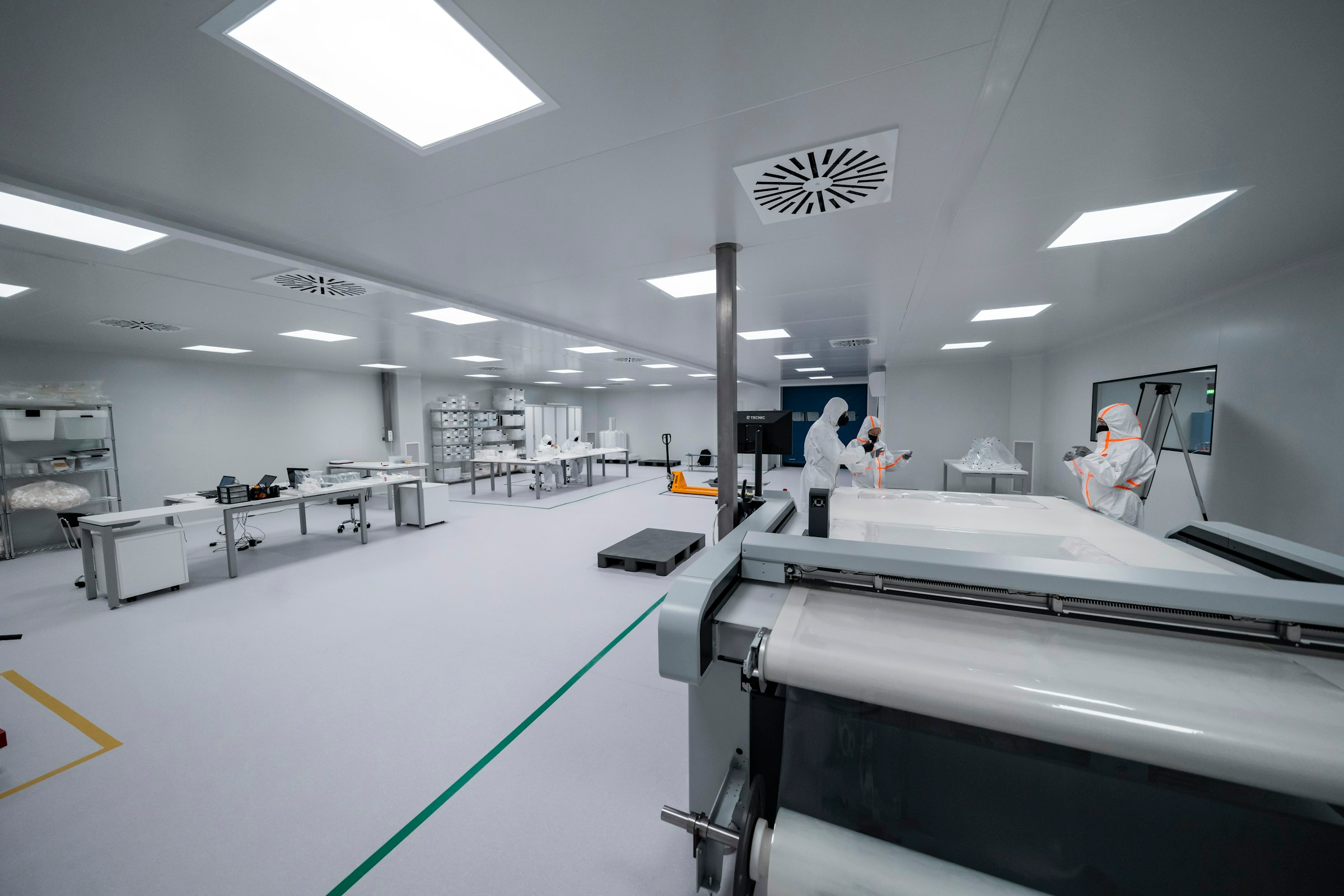
Initial checks identified cracks in walls and some water leakage at the site, together with a temporary interruption to the pure-water supply. Renesas said air-conditioning and electrical systems remained available and the cleanroom environment was maintained, allowing teams to assess equipment and work in process before restarting the line.
Ultrapure water, environmental control, stable power, and contamination management are basic operating requirements for wafer fabrication. A plant can avoid major structural damage and still require a controlled shutdown while utilities, process tools, chemical systems, and partially completed wafers are checked. Restarting too quickly risks turning a short interruption into yield loss across several production stages.
The phased approach allows tools and process areas to return under observation rather than bringing the full line back simultaneously. Engineers can verify equipment calibration, particle levels, material handling, and process consistency as wafer lots move through the factory. The three-week target indicates when Renesas expects to restore the rate at which new wafers enter production, not when every delayed order will have cleared the manufacturing system.
The nearby Nishiki factory followed a faster recovery path. Production there resumed in phases on the evening of 29 July and returned to its pre-earthquake capacity by the morning of 31 July. Kawashiri required additional work because of the building and water-supply issues identified after the earthquake.
Kumamoto forms part of a dense semiconductor and automotive manufacturing region, so precautionary closures attract close attention from customers. The same earthquake interrupted operations at several technology and vehicle plants in Kyushu, testing contingency plans across suppliers that depend on tightly sequenced production and qualified components.
Customers will need to know which process lines were affected, whether work in process was lost, how much finished inventory is available, and whether assembly and test partners can absorb a shifted output profile. Renesas has not quantified a shipment impact in its restart notice, and the recovery target remains expressed in wafer-input capacity.
That distinction limits premature conclusions about shortages. Semiconductor lead times allow a brief interruption to be absorbed through inventory and production scheduling in some cases, particularly when finished goods and unaffected sites provide cover. A longer disruption is harder to manage where a device depends on one qualified process or an automotive customer cannot substitute a component without validation.
The early restart suggests that the most critical factory systems were recoverable without a prolonged rebuild. It does not remove the need to monitor yield, cycle time, and output during the ramp, especially after utilities and process equipment have been stopped and restarted. Stability over the following weeks will determine whether the line reaches its nominal input rate without creating a secondary backlog.
Renesas’ response also shows why semiconductor continuity planning extends beyond duplicate buildings. Utility resilience, emergency inspection procedures, spare parts, remote technical support, inventory buffers, and customer communication all shape the effect of a natural disaster. Where products have long automotive qualification histories, transferring production to another fab may take far longer than repairing the original line.
Kawashiri is now moving through controlled recovery rather than emergency assessment. The next operational marker is restoration of pre-earthquake wafer starts within the stated three-week period, followed by evidence that downstream output and customer deliveries are returning without material yield or scheduling penalties.