IN Brief:
- IonQ is committing $15 million over five years to a Chattanooga quantum-communications research centre.
- A commercial quantum-memory unit will connect directly to EPB’s operational fibre network.
- Research will support longer-term plans to interconnect quantum computers, research nodes, and commercial facilities.
IonQ will install a commercial quantum-memory unit within an operational fibre network as part of a five-year research programme with Chattanooga energy and communications provider EPB.
The partners are establishing the Tennessee Quantum Communications Research Center, a laboratory connected directly to EPB’s working network. IonQ has committed $15 million over five years, while EPB will provide the live-network test bed and act as the primary commercialisation partner.
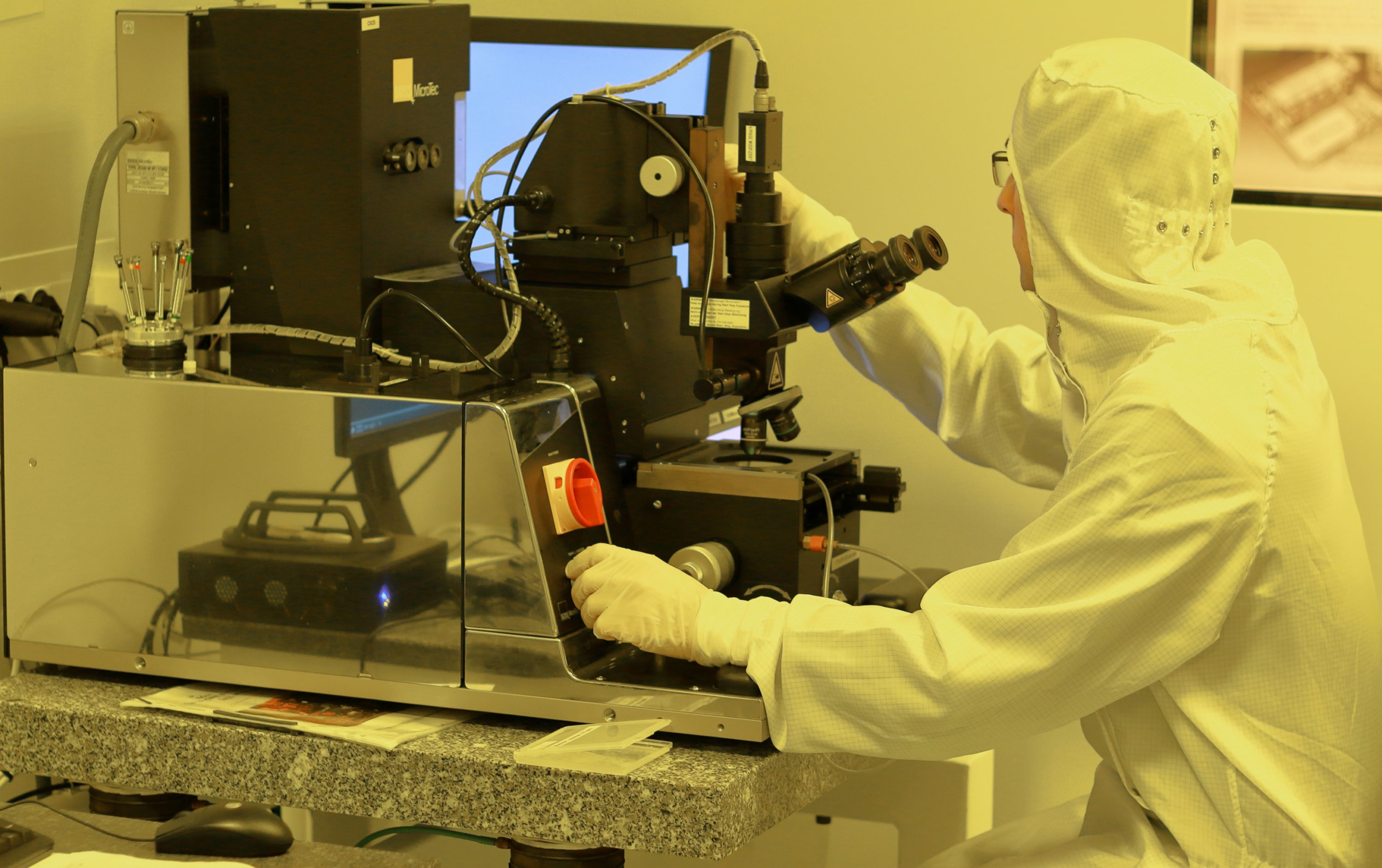
The Chattanooga laboratory will be staffed by IonQ scientists and is intended to place quantum-memory hardware in an environment carrying real operational constraints rather than confining development to isolated optical benches and short laboratory links.
Quantum memory is designed to receive, retain, and later release a quantum state without first converting it into ordinary classical information. In a network, that capability could allow entanglement or other quantum information to be held while neighbouring links are established, synchronised, or recovered.
That would make longer-distance connections less dependent on every segment succeeding at precisely the same instant. The need arises because conventional optical amplification cannot simply be transferred into quantum communications: an unknown quantum state cannot be copied perfectly, so ordinary telecoms repeaters do not provide a direct solution.
Memory is therefore one of the components required for architectures that divide a long connection into manageable sections and coordinate the resulting quantum links. It is not sufficient on its own. Sources, detectors, timing systems, control software, wavelength conversion, and network protocols must all operate with compatible performance.
The announcement does not disclose the memory medium, operating wavelength, storage time, bandwidth, retrieval efficiency, fidelity, or interface specifications. Those omissions make meaningful comparison with academic systems or competing commercial technologies impossible at this stage.
They also leave open how closely the proposed unit is matched to EPB’s existing quantum-network equipment. A laboratory installation can tolerate manual calibration and specialist supervision; an operational network eventually requires automated control, diagnostics, maintenance procedures, and predictable recovery after faults.
A memory connected to fibre must manage optical loss, timing, photon conversion, noise, and environmental variation while preserving the stored state closely enough for the intended protocol. Useful operation also depends on synchronisation and software capable of coordinating the memory with sources, detectors, and neighbouring nodes.
EPB’s contribution is the operational setting. The organisation launched its quantum network in 2023 and is preparing an IonQ Forte Enterprise quantum computer for commercial deployment at the EPB Quantum Center. The new laboratory is intended to support a longer-term plan to interconnect quantum computers, research sites, and commercial facilities across Tennessee.
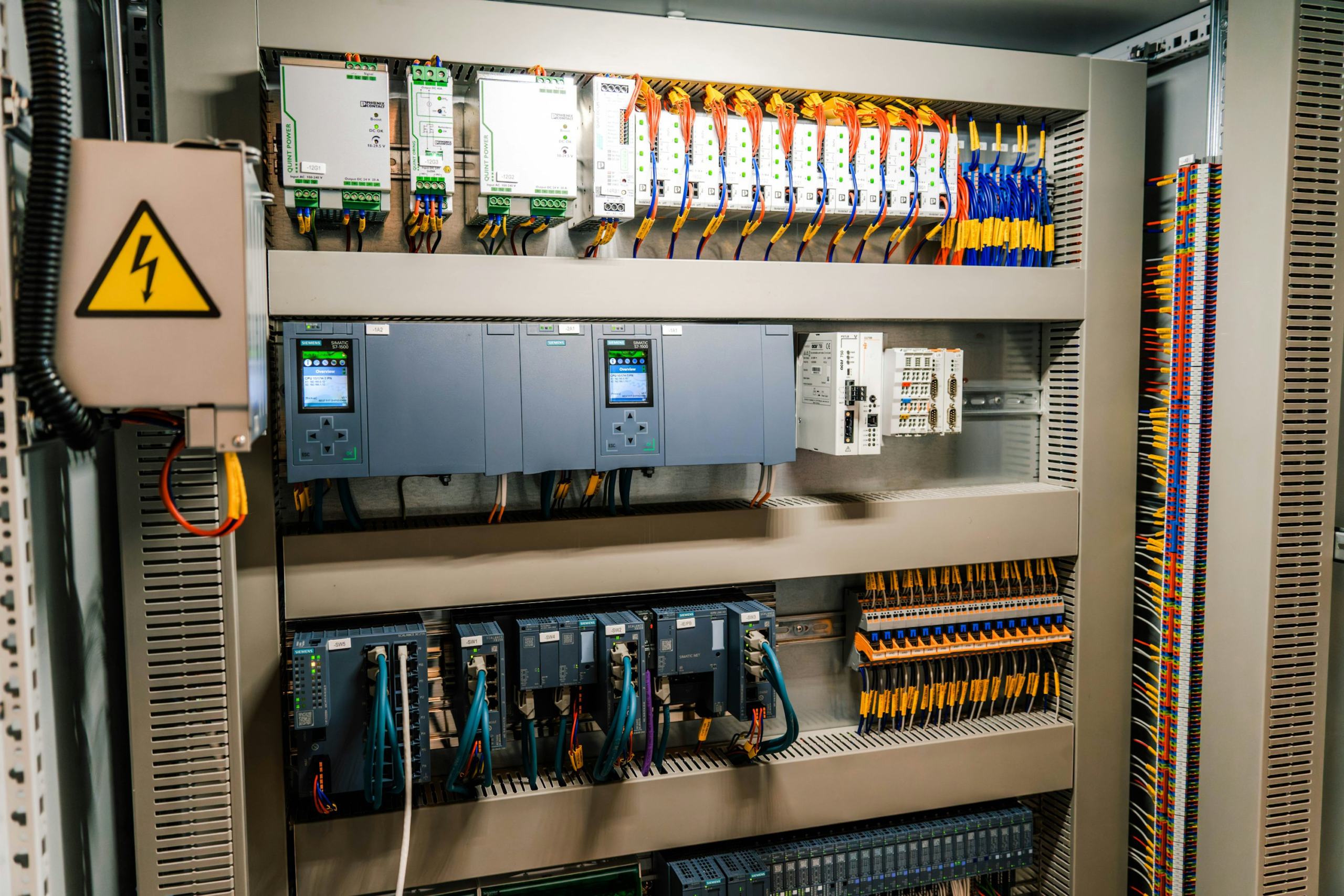
Moving equipment onto a live network should expose problems that are easy to conceal during controlled demonstrations. Fibre routes experience temperature changes, maintenance events, connector losses, vibration, component ageing, and scheduling constraints. Commercial equipment also needs remote management and a credible way to distinguish network faults from quantum-hardware faults.
The programme is being presented as research and commercialisation work rather than a finished quantum-internet service. IonQ and EPB have not announced an installation date, external customer, service-level target, or network distance for the memory system.
The economic projections attached to the project are similarly forward-looking and should not be confused with contracted revenue or demonstrated technical performance. The useful evidence will be measured storage lifetime, fidelity, retrieval efficiency, uptime, and compatibility with the network’s photon sources and detectors.
Placing memory hardware beside operational communications infrastructure is nevertheless more demanding than another short-distance experiment. It requires the device to coexist with the practical disciplines of telecoms engineering: asset records, access control, maintenance windows, environmental monitoring, configuration management, and service restoration.
The five-year structure gives the partners time to work through those issues, but it also confirms that the programme remains developmental. Early results must establish repeatable measurements and demonstrate that the hardware can be operated without continuous intervention by the research team.
Quantum networking still lacks the mature component ecosystem that conventional optical communications takes for granted. Memory, transducers, single-photon sources, detectors, timing systems, and network-control software must perform together, and weakness in any one element can erase the advantage claimed by the rest.
The Chattanooga project will be useful if it replaces promotional distance records with operational evidence. A commercial memory connected to live fibre is a notable installation; whether it becomes infrastructure will depend on repeatable performance, maintainable hardware, and links that continue working after the demonstration team has left the room.