IN Brief:
- Verification covers 3GPP TS 38.523-1 test case 7.1.1.12.5 for Search Space Set Group Switching.
- Testing used Qualcomm's X105 5G Modem-RF with the Rohde & Schwarz TS-PCT platform based on CMX500.
- Verification identified specification improvements, prompting a change request to 3GPP RAN5 before wider conformance use.
Rohde & Schwarz and Qualcomm Technologies have completed initial verification of a 3GPP Release 17 conformance test for Search Space Set Group Switching, moving the 5G NR power-saving feature closer to formal certification use. The work covers 3GPP RAN5 test case TS 38.523-1 TC 7.1.1.12.5 and has been submitted to the standards group for verification. Formal RAN5 review will determine whether the revised case is accepted in a form suitable for broader conformance deployment.
Search Space Set Group Switching, or SSSG, is intended to reduce unnecessary monitoring of the physical downlink control channel, the PDCCH. A 5G device must monitor control channel activity so it can receive scheduling information, but repeatedly checking for that information consumes power. SSSG changes how the monitoring behaviour is managed, allowing the device to reduce activity while retaining reliable reception of the control information needed to remain connected to the network.
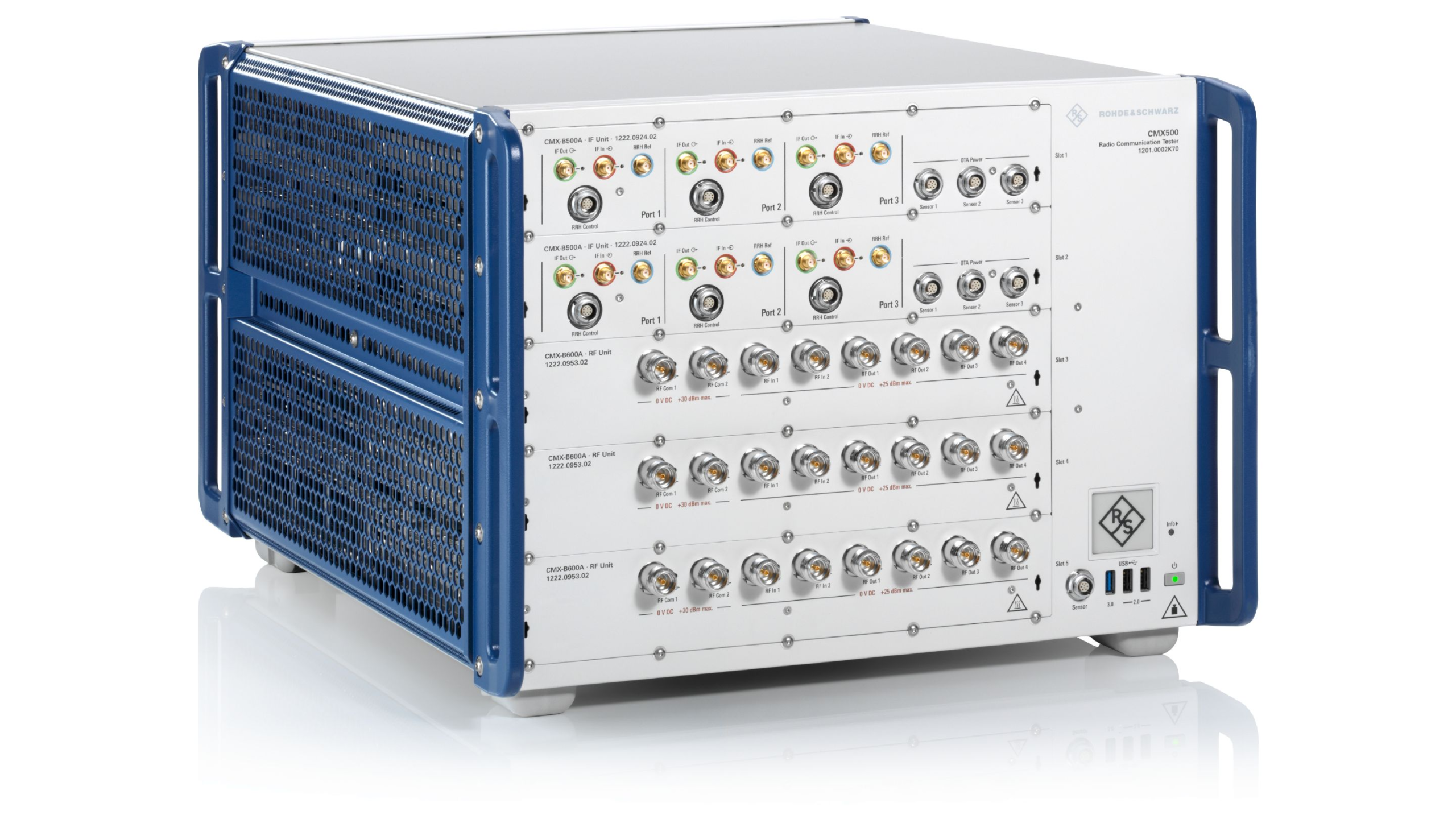
The verification used a mobile test platform built around Qualcomm’s X105 5G Modem-RF and the Rohde & Schwarz TS-PCT protocol conformance test platform. TS-PCT is based on the company’s CMX500 5G one-box signalling tester and is used to execute protocol conformance cases under controlled network conditions. Rohde & Schwarz says the two companies are the first to complete all relevant test aspects for this particular SSSG case.
A feature being defined in a 3GPP release does not make it immediately usable in certification. Conformance testing has to translate normative protocol behaviour into a repeatable sequence with defined conditions, expected responses, and an unambiguous result. Chipset suppliers, device manufacturers, test houses, and certification bodies then need those cases to behave consistently across implementations before the feature can move through the wider approval ecosystem.
The verification has already fed back into the specification. Rohde & Schwarz and Qualcomm Technologies identified areas in the underlying conformance text that could be improved and supported a change request submitted to 3GPP RAN5, the group responsible for conformance-test specifications. A requirement that appears clear in a written standard can reveal ambiguity when a tester and a device have to reproduce the same sequence precisely enough to deliver the same verdict.
SSSG targets power consumption rather than headline data rate. Reducing unnecessary PDCCH monitoring can lower the amount of receiver and baseband activity associated with looking for scheduling information, although the announcement does not quantify a battery-life or energy-saving gain. The current milestone is therefore a test-readiness step rather than evidence of a particular percentage improvement in device efficiency.
Power behaviour in a commercial 5G device depends on far more than one control channel feature. Modem implementation, RF conditions, traffic pattern, network configuration, display and application load, thermal limits, and software policy all affect the final energy budget. A conformance case has a narrower purpose: it verifies that the feature behaves according to the standard so device makers can adopt it without creating interoperability problems elsewhere in the protocol stack.
The test arrangement also shows why protocol conformance platforms have to evolve alongside modem generations. Qualcomm’s X105 provides the device implementation under test, while TS-PCT and CMX500 reproduce the network conditions needed to exercise the feature deterministically. That separation lets engineers investigate whether an unexpected result comes from device behaviour, the test sequence, or ambiguity in the specification before the case enters routine certification.
Release 17 added a broad set of 5G enhancements, but advanced functions only become deployable at scale when test coverage catches up with the specification. Rohde & Schwarz and Qualcomm Technologies have now put SSSG through that early verification step and pushed a resulting change request back into RAN5. Formal RAN5 verification remains the next gate before the test case can move closer to routine use by certification and device-validation organisations.