IN Brief:
- Kelington will support critical infrastructure and manufacturing systems at Tata Electronics’ forthcoming Dholera wafer fab.
- Tata identifies semiconductor tool hook-up as a central part of bringing fab equipment into an operational production environment.
- The $11 billion, 300mm facility is planned to manufacture chips for automotive, mobile, and AI applications.
Tata Electronics has brought Malaysian engineering group Kelington into development of its Dholera semiconductor fab, with the collaboration focused on critical manufacturing infrastructure, tool hook-up, and preparations for wafer production.
The agreement moves beyond semiconductor equipment procurement into the engineering required to make process tools operate as part of a fab. Kelington will support infrastructure and manufacturing systems at the Gujarat site, while the companies will also examine local talent development and design-and-build engineering capability.
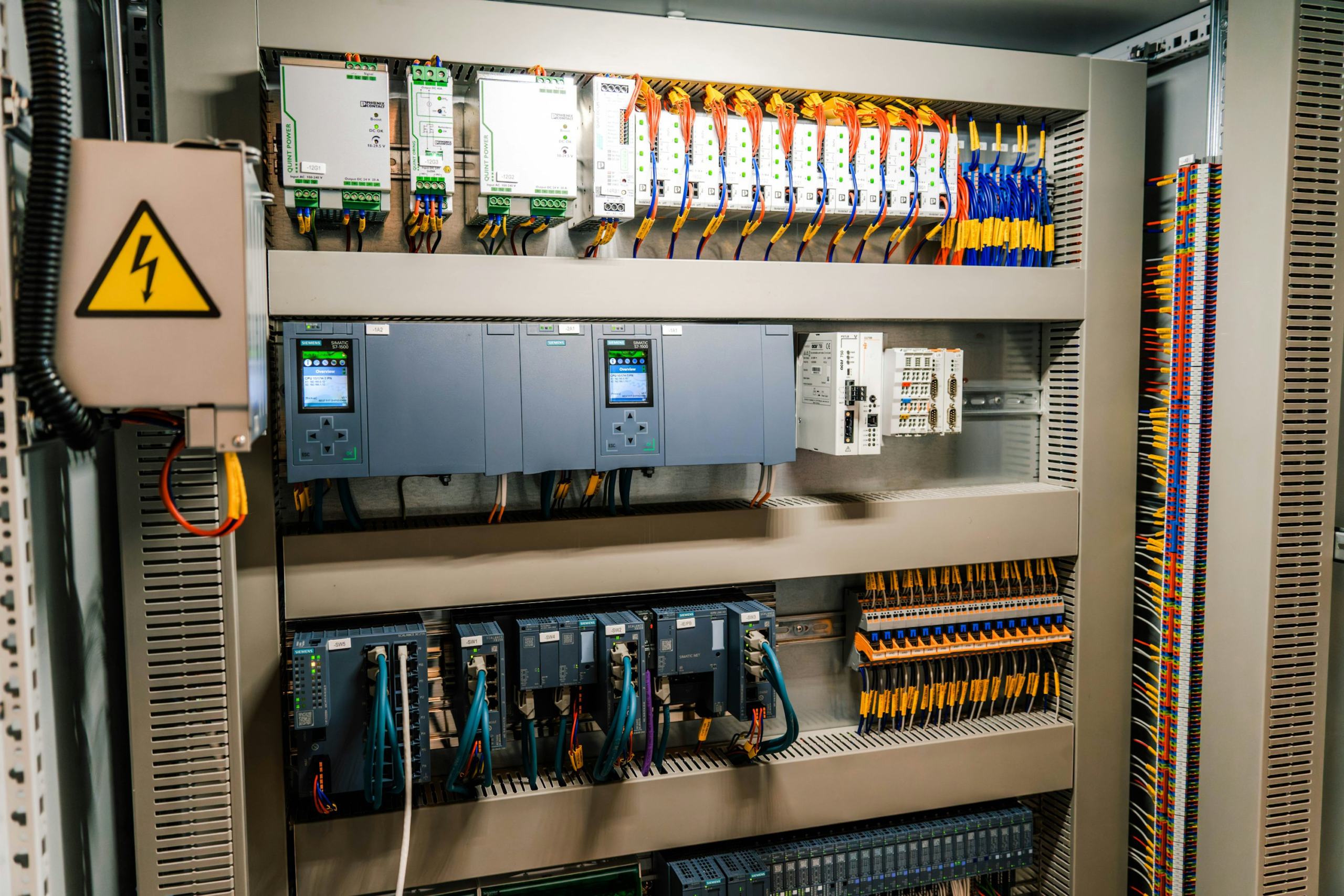
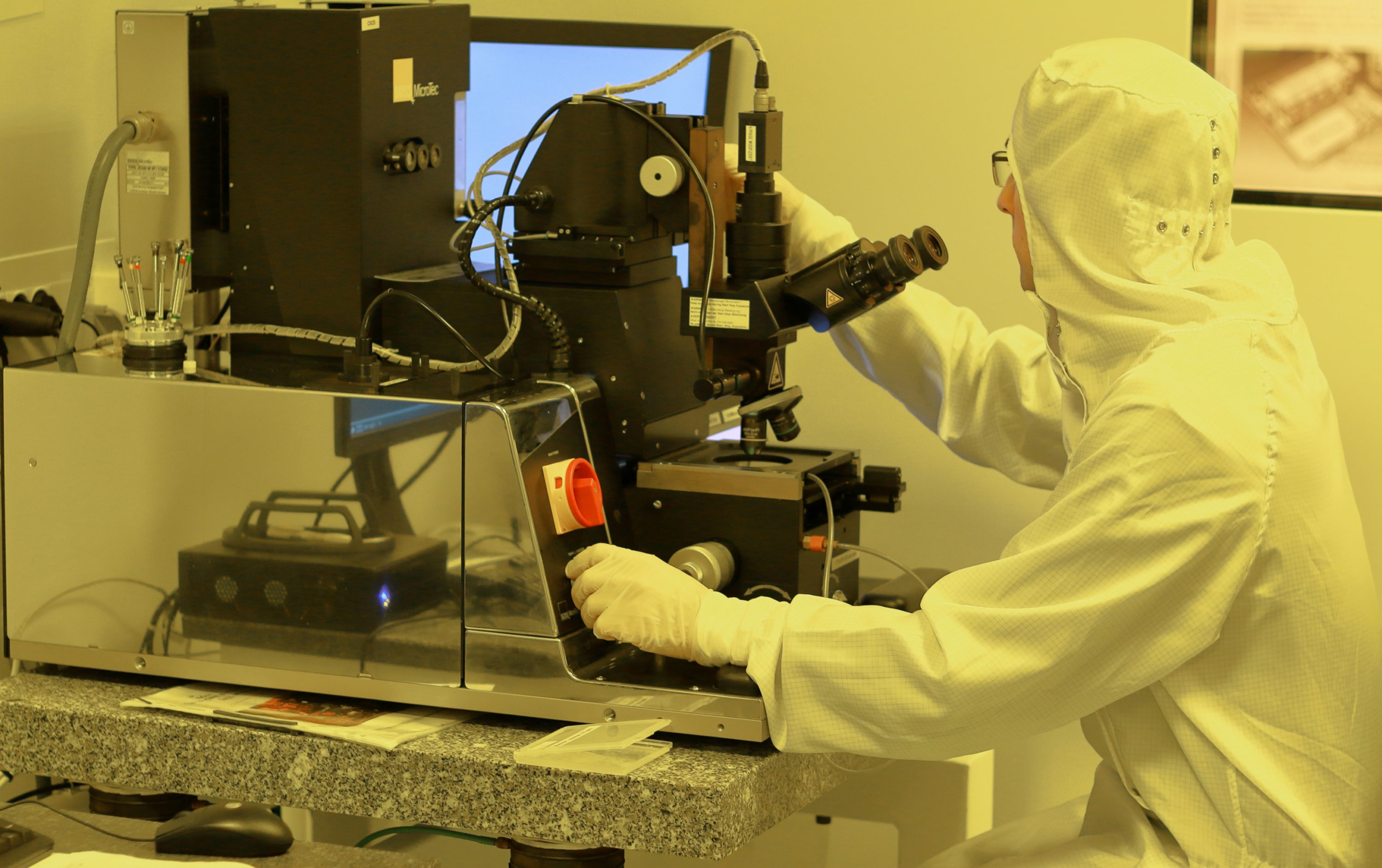
Tool hook-up is one of the less visible stages of semiconductor-factory construction. Lithography, deposition, etch, implant, cleaning, and metrology tools cannot simply be positioned on a factory floor and switched on. Each has to be connected to tightly controlled electrical supplies, process gases, vacuum, cooling water, exhaust systems, chemicals, waste handling, controls, communications, and safety infrastructure appropriate to the equipment.
Those services have to meet semiconductor cleanliness and reliability requirements inside a dense facility where neighbouring tools may consume different gases, chemicals, power levels, and exhaust capacity. Installation errors can affect process stability, equipment uptime, contamination control, or worker safety long after construction crews have left the site.
Tata Electronics describes tool hook-up as critical to creating a reliable, high-performance manufacturing environment. Kelington’s established work in advanced engineering and process systems includes system design, equipment installation, manufacturing-facility construction, industrial gases, and specialist gas-delivery systems, placing the company on the infrastructure side of semiconductor production rather than the chip-design side.
The Dholera project is planned as a 300mm commercial semiconductor fab backed by investment of around $11 billion. Tata has said the facility will manufacture devices for automotive, mobile, and artificial-intelligence applications, with its technology relationship with Taiwan’s PSMC covering process technologies between 28nm and 110nm.
Those geometries cover substantial automotive, power-management, display, connectivity, mixed-signal, and embedded applications even though they are less aggressive than leading-edge logic nodes. The production challenge is centred on reliable, qualified volume output rather than pursuit of the smallest available transistor dimensions.
Kelington joins a wider group of supplier and technology relationships being assembled around Dholera. Tata announced several semiconductor ecosystem agreements during the same week, covering materials, chemical logistics, product manufacturing, and process support. The announcements address different layers of fab readiness rather than one repeated manufacturing function.
Recent Nexperia-Tata manufacturing plans concern devices that could ultimately flow through Tata’s front-end and back-end operations. Other Dholera agreements address high-purity chemicals and their handling. Kelington’s role concerns the engineering systems that allow process equipment to receive those utilities and operate within the factory.
Semiconductor production depends on a chain of supporting systems whose performance is invisible in the finished die: ultra-pure water, stable gases, controlled exhaust, temperature management, chemical delivery, clean electrical power, vibration control, and continuous environmental monitoring. A problem in any one of them can stop expensive process equipment or compromise wafer yield.
Kelington also supplies industrial and electronic specialty gases through its Ace Gases subsidiary, although the Tata announcement does not specify a gas-supply award for Dholera. The confirmed scope is support for critical infrastructure and systems, with tool hook-up identified by Tata as an important element. Any expansion into specific gas plants or long-term materials supply would require a separate disclosure.
The collaboration also includes local engineering capability. Fab infrastructure is not static after construction: tools are added, replaced, upgraded, and moved as processes change. Each alteration can require new utility capacity, exhaust routing, qualification, and safety work while adjacent production remains operational.
Recent semiconductor equipment spending underlines the amount of factory infrastructure being built around advanced logic, memory, packaging, and AI-related demand. Worldwide equipment billings reached $40.53 billion in the second quarter, creating a parallel requirement for facilities engineering around every new tool installed.
Dholera is still moving towards production. Kelington’s role does not establish a wafer-start date, but it advances the detailed engineering needed to connect individual process tools and turn a large capital project into an operational semiconductor factory.