IN Brief:
- The proposed Jura centre carries an indicative CHF40–60 million investment over six years focused on secure semiconductor personalisation.
- Planned capabilities include root-of-trust injection, firmware personalisation, device testing, certification and potentially ASIC design.
- The project targets more than 250 direct jobs by year eight, subject to site, financing and implementation agreements.
SEALSQ, WISeKey and the Republic and Canton of Jura have signed a memorandum of understanding covering a proposed Swiss post-quantum semiconductor and cybersecurity centre. The project carries an indicative CHF40–60 million investment over six years and would establish capabilities in semiconductor personalisation, secure provisioning, testing and certification.
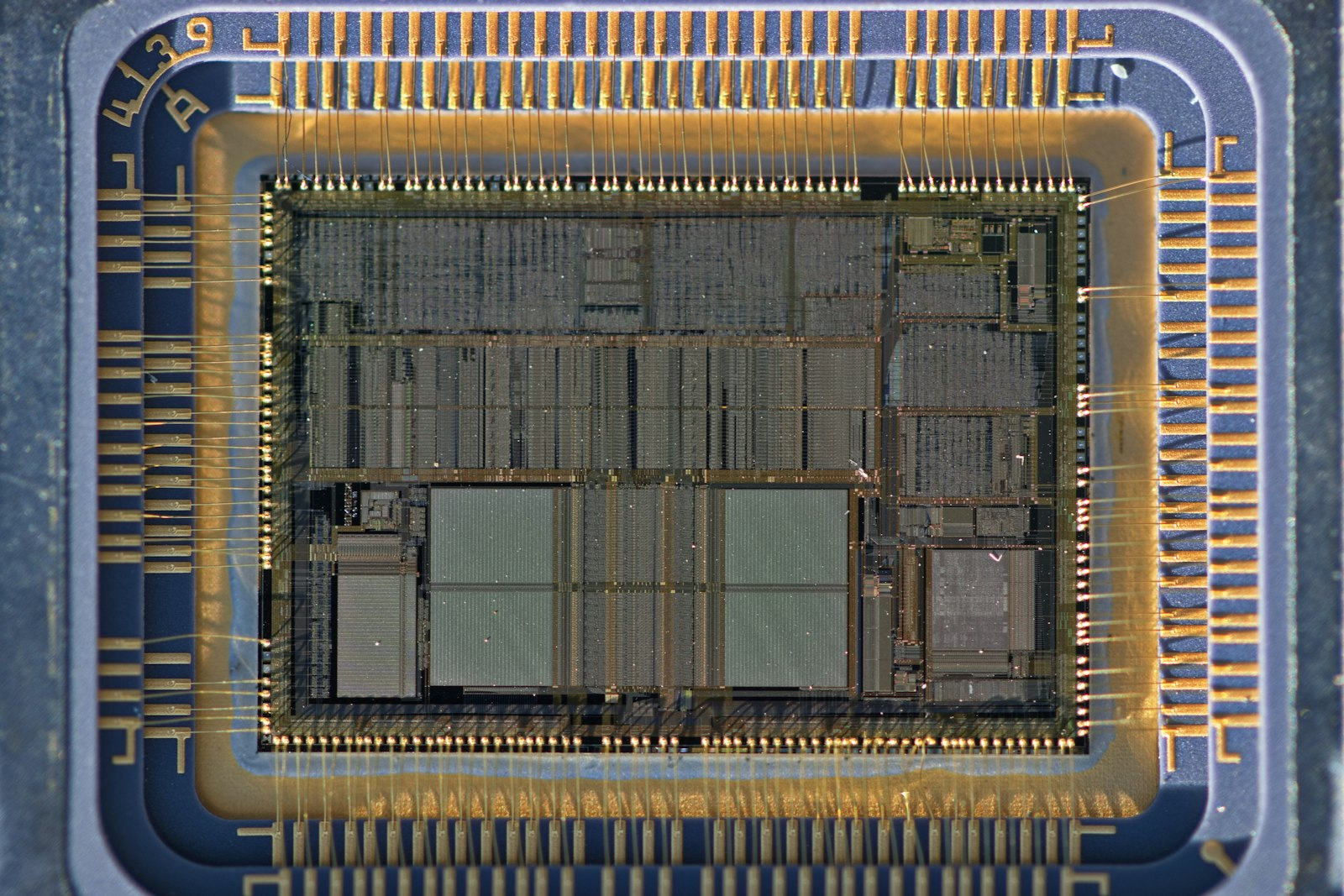
The proposed operation is centred on secure semiconductor processing rather than front-end wafer fabrication. Planned functions include cryptographic root-of-trust injection, secure firmware personalisation and device certification, with ASIC design also under consideration as the centre develops. These stages determine how a secure semiconductor is configured for a particular customer, identity framework or protected application before it enters service.
SEALSQ’s QS7001 Quantum Shield is expected to form part of the initial technology programme. The secure device is designed around post-quantum algorithms standardised by the US National Institute of Standards and Technology, including ML-KEM for key establishment and ML-DSA for digital signatures. The proposed centre would provide a Swiss-controlled route for provisioning devices intended for systems where cryptographic identity and supply-chain control are closely linked.
Personalisation is particularly sensitive in secure semiconductor manufacturing because private keys, certificates and other credentials have to be created or injected under tightly controlled conditions. A compromised provisioning stage can undermine the security of an otherwise correctly designed device. Localising those operations also gives customers greater control over where security material is handled and which organisations have access to it.
The parties have set out a staged employment plan alongside the investment proposal. The project targets around 40 direct jobs within two years, 150 by year five and more than 250 by year eight, with at least 60% expected to be filled by residents of the canton. A joint working group will develop the business plan, identify a site, structure financing and establish academic, industrial, regulatory and certification relationships.
Jura brings a manufacturing base built around precision engineering, microtechnology and tightly controlled production rather than high-volume semiconductor fabrication. Those capabilities overlap with several requirements of secure device provisioning, including inspection, traceability, process repeatability and auditable manufacturing flows. The project would extend that industrial base towards a specialised section of the semiconductor value chain.
SEALSQ and WISeKey envisage a public-private financing structure in which most funding would come from the companies, private investors and industrial partners. The canton would act as a strategic facilitator and assess potential support through applicable cantonal and federal mechanisms. Cooperation with HE-Arc Ingénierie is also being considered for training, recruitment and applied research.
The Swiss proposal follows the Quantix Edge Security project being developed by WISeKey and SEALSQ in Murcia, Spain. That programme has an indicated value of €40 million and received a €19.6 million commitment from Spain’s Sociedad Española de Transformación Tecnológica in 2025. The companies have subsequently reported initial revenue from the Murcia operation, providing an existing model for semiconductor personalisation and secure provisioning activity.
Post-quantum migration is reaching hardware because many embedded systems rely on device identities and roots of trust established before equipment reaches the field. Industrial, medical, automotive and infrastructure products can remain operational for a decade or more, making the durability of their cryptographic foundations a design consideration long before large-scale quantum computers become commercially available.
The Jura proposal also leaves scope for defence and national-security applications, including potential engagement with Swiss procurement programmes. Secure ASICs, communications devices, sensors and control electronics place additional demands on provenance and controlled provisioning, although any programme participation would depend on later commercial and procurement decisions.
The memorandum does not represent a final investment decision. Site selection, detailed financing, certification arrangements and the operating model remain to be completed before construction or implementation proceeds. If those stages are secured, Jura would add a specialised European capability around secure semiconductor personalisation and post-quantum provisioning rather than another conventional wafer-fabrication project.