IN Brief:
- Hygon's 1000 series extends its C86 processor architecture from data centre systems into embedded industrial equipment.
- The disclosed configuration combines four cores, eight threads, and support for DDR4 and DDR5 memory.
- Detailed power, interface, package, qualification, and lifecycle specifications have not yet been published publicly.
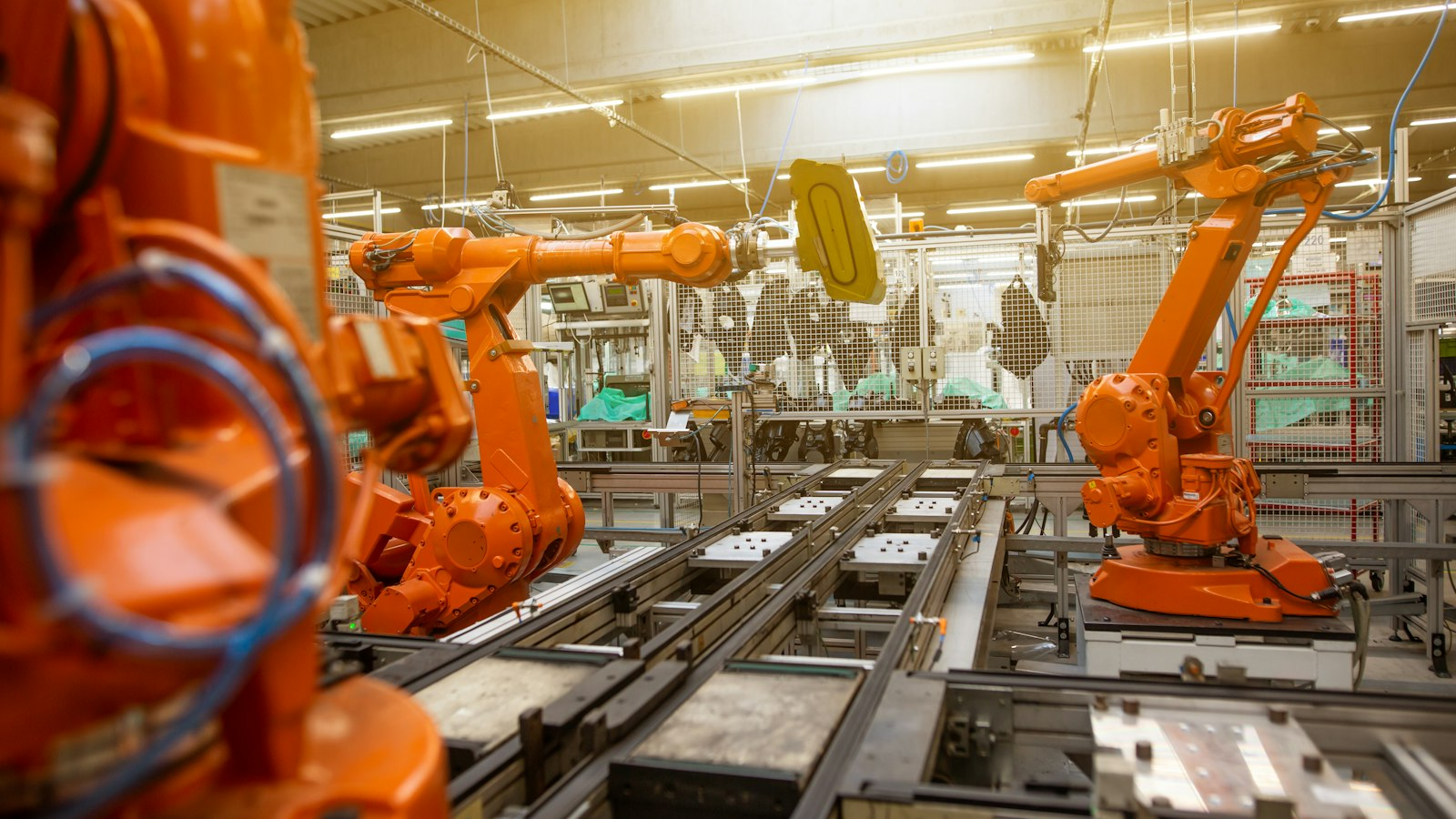
Hygon Information Technology has launched its 1000 series processors for embedded and industrial equipment, extending its C86 architecture beyond data centre systems and into robotics, machine vision, smart manufacturing, and other edge computing applications.
The first disclosed configuration uses four CPU cores and eight threads and supports both DDR4 and DDR5 memory. Hygon is positioning the family around local computing and graphics workloads in physical systems rather than the server and cloud infrastructure that has defined much of its existing processor business.
That changes the design priorities around the processor. A factory controller or robotic system does not simply need peak compute throughput; it has to combine application processing with communications, graphics, local analytics, device control, and predictable operation inside a constrained power and thermal envelope. Board size, peripheral availability, software support, and lifecycle commitments can consequently matter as much as core count.
The C86 architecture retains x86 compatibility, giving Hygon a route into equipment where existing software has been built around PC-class operating systems, development tools, and applications. That can reduce migration work compared with a wholesale change of processor architecture, although instruction-set compatibility alone does not make a device ready for industrial deployment.
Equipment manufacturers still need drivers, board support packages, operating-system qualification, security updates, watchdog functions, diagnostics, and dependable peripheral support. Industrial systems can remain in production for years and continue operating substantially longer, making stable software and component availability particularly important once a platform has been designed into machinery.
Hygon has not yet published a complete public datasheet for the 1000 series. Clock frequencies, package choices, thermal design power, industrial temperature grades, PCIe configuration, display interfaces, safety functions, and formal product-longevity commitments therefore remain unclear from the currently available material.
Those omissions make it premature to compare the family directly with established embedded x86 processors on anything beyond the specifications already disclosed. The competitive position will depend on the surrounding platform as much as the CPU itself, particularly where industrial customers expect ten-year supply programmes, extended-temperature options, deterministic I/O, or certified software environments.
The launch nevertheless reflects a wider change in edge electronics. Computer vision, local AI inference, predictive analytics, and increasingly sophisticated operator interfaces are moving into machinery that previously relied on relatively modest control processors. Sending every camera frame or sensor stream to a remote data centre adds latency, network dependence, and data-transfer requirements that are unnecessary when the workload can run on the machine.
A general-purpose processor still has a role alongside specialised acceleration in those systems. AI inference may be the most computationally visible function, but industrial hardware also has to manage networking, storage, security, human-machine interfaces, conventional application code, and the control software that connects analytics with physical equipment.
That combination explains Hygon’s move from server-oriented processors towards a more embedded family. The 1000 series gives the company a platform for edge workloads where lower power consumption, local graphics, compact integration, and distributed computing become more important than maximising rack-level throughput.
Software maturity will determine how quickly that move becomes commercially useful. Industrial developers generally choose processor platforms only after confirming operating-system support, peripheral behaviour, firmware maintenance, and the availability of reference hardware on which applications can be qualified. A processor announcement establishes the silicon direction, but design wins depend on the less visible engineering surrounding it.
The next useful disclosures will therefore be full electrical specifications, reference boards, software support, qualification data, and named customer deployments. Until those arrive, the 1000 series marks Hygon’s entry into embedded C86 computing rather than evidence that the company has already established a production position against incumbent industrial processor suppliers.