IN Brief:
- ASE reported 8,831 testers in the third quarter, compared with 8,348 in the second quarter and 7,066 a year earlier.
- Computing accounted for 34% of assembly, test and materials revenue, up from 30% in the preceding quarter.
- The ATM business reported US$2.063bn of equipment capital expenditure during the quarter.
ASE Technology Holding increased its installed semiconductor tester count to 8,831 during the third quarter of 2026 as computing accounted for a greater proportion of its assembly, testing and materials business. The Taiwan-based group reported 8,348 testers in the previous quarter and 7,066 a year earlier. Its equipment spending also climbed sharply across the operations serving outsourced chip packaging and electrical test.
Assembly, test and materials (ATM) revenue reached NT$151.485bn, up from NT$126.148bn in the second quarter and NT$100.289bn in the comparable period last year. Computing represented 34% of ATM sales, against 30% sequentially and 25% a year earlier. Communications remained the largest application category at 38%, while automotive, consumer and other applications together contributed 28%. The percentages apply to ASE’s ATM segment rather than its consolidated revenue.
ASE’s packaging mix also moved towards services used in more complex assemblies. Bumping, flip chip, wafer-level packaging and system-in-package collectively represented 51% of ATM revenue, rising from 49% in the second quarter and 48% a year before. Wirebonding contributed 24%, testing 17%, materials 2% and other services 6%. Those categories cover several technologies and cannot be treated as a count of individual advanced packaging lines.
The testing equipment base grew by 483 units during the quarter, whereas the installed wirebonder fleet remained broadly level. ASE recorded 24,801 wirebonders, compared with 24,815 in the second quarter and 25,120 a year earlier. The different trends are consistent with a changing equipment mix: test systems were added while wirebonding equipment counts showed little sequential expansion. Their differing roles in the manufacturing flow prevent a simple conversion into equivalent production capacity.
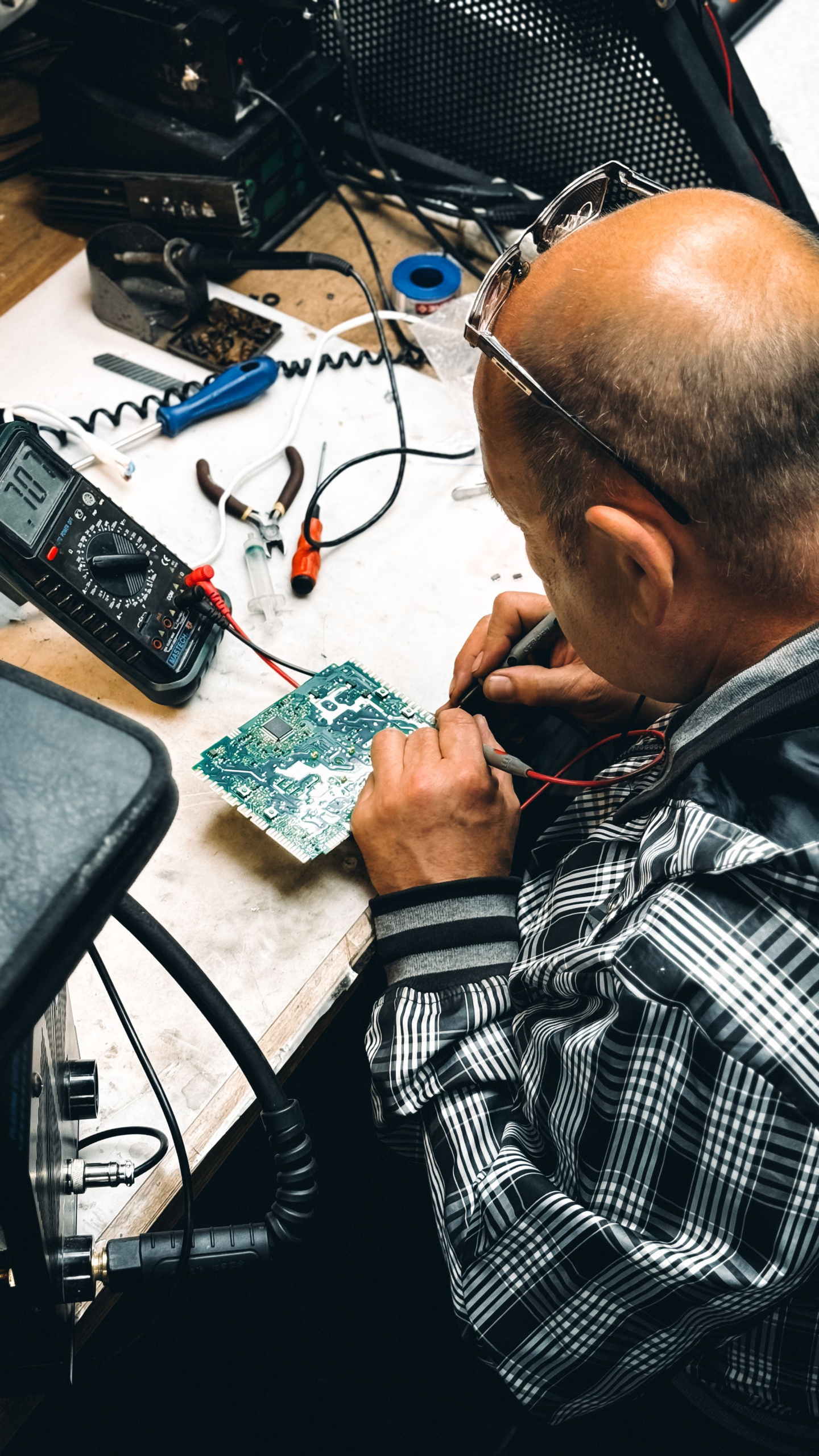
Electrical testing is performed at defined points in the semiconductor production and packaging process to check device function, performance and reliability against specifications. Devices with different interfaces, power states and operating limits require different test patterns, instruments and contact arrangements. Adding testers expands the installed resource available for that work; effective throughput also depends on test duration, product mix, parallel operation, maintenance and utilisation.
Equipment capital expenditure for ATM reached US$2.063bn in the third quarter, against US$1.646bn in the preceding quarter and US$736m a year earlier. That expenditure supports the production infrastructure behind the revenue mix, including machinery used in semiconductor assembly and testing. Installation and customer qualification are separate steps from expenditure, so the timing of added operating capacity depends on when equipment becomes ready for manufacturing programmes.
Complex semiconductor packages bring further constraints upstream of final test. A substrate carrying multiple dies may need fine pitch interconnection, controlled bonding, encapsulation and inspection before its electrical interfaces can be verified. Different packages also impose different thermal and mechanical requirements during assembly. The shift towards computing applications increases demand for combinations of these services, but ASE’s reported mix does not identify the precise share delivered by any single packaging method.
ASE also reported higher activity in its separate electronics manufacturing services (EMS) segment, where revenue reached NT$93.469bn versus NT$65.789bn sequentially. Computing represented 21% of EMS revenue, up from 16%, and EMS equipment capital expenditure was US$41m. These figures describe contract manufacturing of electronic systems, which uses different processes and equipment from the ATM business’s semiconductor packaging and test operations.
At group level, quarterly revenue reached NT$244.161bn, an increase of 44.8% year on year, while profit attributable to shareholders rose to NT$26.996bn from NT$10.870bn. The financial improvement coincides with the larger tester fleet and higher computing contribution, although the reported figures do not allocate every incremental dollar of revenue to a particular equipment installation or customer programme.
The next operational test of ASE’s investment is how quickly the expanded equipment base supports qualified production volumes. More testers provide additional infrastructure for increasingly varied semiconductor products, while device-specific programmes, packaging yields and testing cycle times determine the output those installations can sustain.