IN Brief:
- Scanfil began manufacturing selected Bruker analytical X-ray instruments at its Suzhou facility on 1 November 2026.
- The agreement extends manufacturing cooperation already involving printed circuit board assemblies, enclosures, and equipment integration in Estonia and Poland.
- The partners are considering further manufacturing expansion across Asia-Pacific, although no additional production sites have been confirmed.
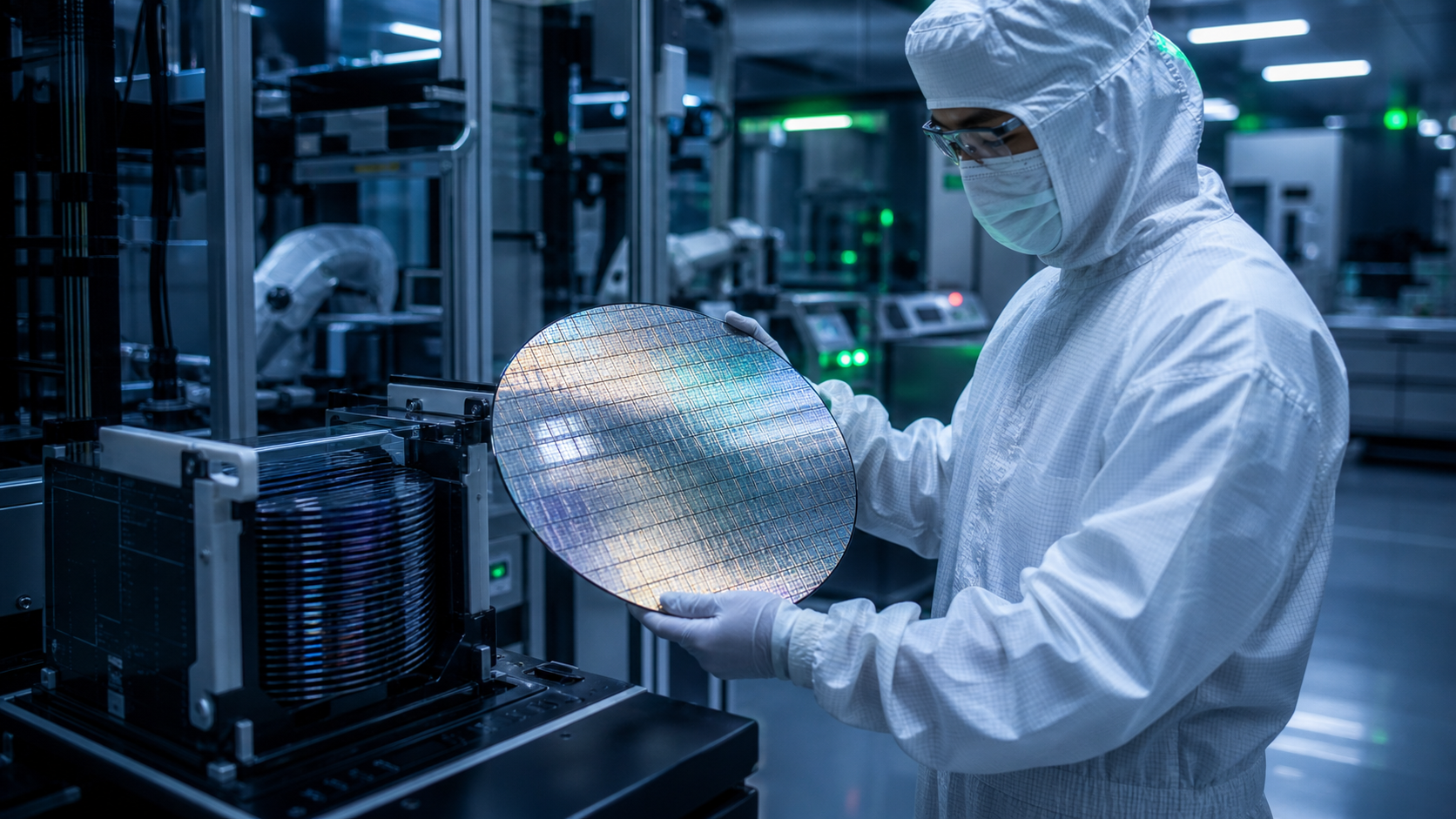
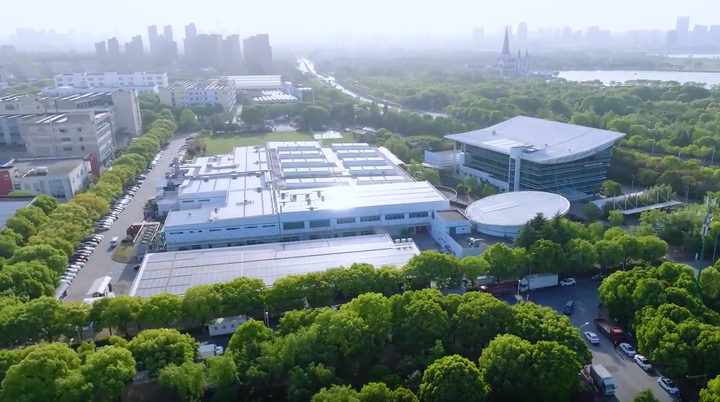
Scanfil has begun manufacturing complete analytical X-ray instruments for Bruker's Advanced X-ray Solutions division at its Suzhou facility in China. Production started on 1 November 2026, extending the companies' established European manufacturing relationship into local assembly of finished analytical equipment for the Chinese market.
The new arrangement covers selected Bruker AXS instruments and is being implemented with support from Bruker's Chinese operation. It represents a progression from the supply of electronic assemblies and equipment components towards manufacturing complete systems within the region where they will be sold.
Scanfil already supports Bruker from its factories in Pärnu, Estonia, and Mysłowice, Poland. Those facilities supply printed circuit board assemblies, enclosures, and higher-level assemblies for Bruker's operations in Germany and Belgium. The expansion into China adds a regional manufacturing location rather than replacing the established European production network.
The companies strengthened their partnership in May 2026, when Scanfil outlined plans to support Bruker AXS through its wider international factory network. The November development establishes a specific implementation of that approach, with completed analytical instruments now being produced in Suzhou.
Bruker's Advanced X-ray Solutions business develops equipment for analysing the structure and composition of materials. Its products serve research institutions, industrial laboratories, and other organisations requiring specialised measurement capabilities. The equipment integrates electronics, mechanical structures, detection systems, and software into complete analytical instruments.
Manufacturing such equipment differs from producing individual electronic assemblies. Printed circuit boards must be integrated with mechanical and measurement subsystems, while electrical interfaces, mounting arrangements, and system control functions must operate according to the instrument's design requirements.
The resulting system must also maintain the characteristics needed for reliable analytical measurement. The performance of an instrument depends on the interaction of its detection hardware, control electronics, mechanical structures, and associated software. Variations introduced during assembly can influence how the completed system behaves during subsequent testing and calibration.
Manufacturing arrangements therefore need to support the appropriate assembly procedures, component identification, test methods, and quality documentation. These activities are particularly important when complex equipment is produced at multiple facilities, where differences in equipment, personnel, or component sourcing must not introduce unacceptable variation into the finished product.
Scanfil's established relationship with Bruker provides a foundation for transferring manufacturing activities between locations. Existing work on electronic assemblies and higher-level integration offers experience with parts of the product architecture, although manufacturing complete instruments introduces additional processes and responsibilities.
The partners have not disclosed a detailed breakdown of which manufacturing stages will take place at Suzhou. The announcement confirms local production of selected complete instruments but does not establish that every component, subsystem, or manufacturing process has been transferred to China.
Local manufacturing is intended to support demand from Chinese customers, including universities, government laboratories, and research institutions. Procurement arrangements within those markets can create requirements for equipment manufactured domestically, making the location of final production an important commercial consideration.
Producing equipment closer to the destination market may also simplify certain logistics activities. Finished analytical instruments can require specialised handling and transport, while the availability of regional manufacturing capacity can provide additional flexibility in responding to customer orders.
These benefits depend on the complete supply chain. Instruments assembled in China may still incorporate specialist electronic components, detection equipment, or other materials sourced internationally. Scanfil and Bruker have not disclosed the proportion of local content or provided quantified comparisons of transport costs and delivery times.
The arrangement also expands the geographical distribution of manufacturing operations supporting Bruker AXS. Maintaining production capability in Europe while establishing local assembly in China gives the partners additional options for meeting regional customer requirements. The extent to which production volumes move between facilities has not been specified.
Scanfil is separately investing in additional capacity at Suzhou. Earlier in 2026, the company announced a €9 million factory expansion involving approximately 15,700m² of additional space, with completion expected during 2027. That project forms part of the company's wider manufacturing development in China.
The new building should not be treated as a prerequisite for the Bruker programme, which has already entered production. Scanfil has not stated that the agreement depends on completion of the additional factory space or disclosed how much of the future expansion will be allocated to Bruker equipment.
The companies are considering opportunities to extend manufacturing cooperation further within the Asia-Pacific region. No additional production locations, product families, or investment commitments have been confirmed under that proposal.
Production at Suzhou establishes a new manufacturing location for Bruker's selected analytical instruments, extending the existing European relationship into complete equipment assembly for China. Further development will depend on local demand, manufacturing performance, and decisions about the allocation of future instrument production across Scanfil's international network.