IN Brief:
- STMicroelectronics is investing more than €100 million in the Rousset semiconductor manufacturing site.
- The programme adds 1,000m² of cleanroom space and 700 metres of automated wafer transport rails.
- Investment continues through 2027, with 100 positions already created and approximately 40 further technical posts to fill.
STMicroelectronics is investing more than €100 million to expand semiconductor production at its Rousset facility in southern France. The programme will increase cleanroom space by 1,000m² and extend the site's automated wafer transport infrastructure, supporting higher manufacturing volumes at the established 200mm wafer fabrication plant.
The investment began in 2025 as part of ST's wider manufacturing reorganisation and will continue through 2027. It combines additional processing equipment with changes to production logistics, monitoring, and factory automation rather than concentrating solely on increasing the physical size of the facility.
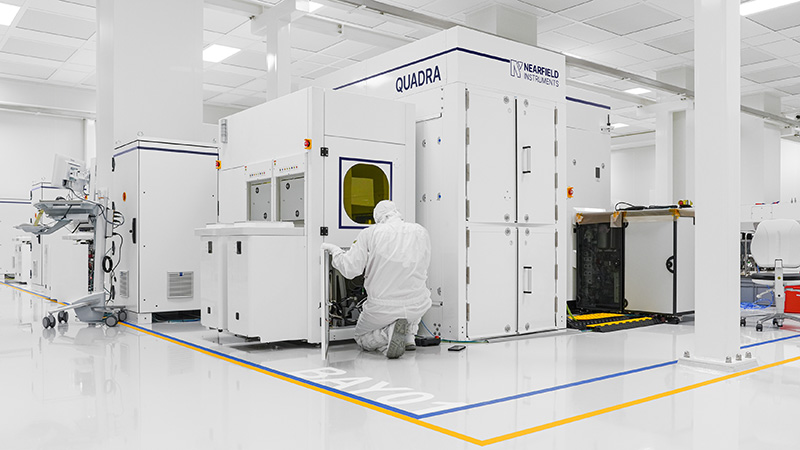
Rousset currently operates approximately 10,000m² of cleanroom space, which will increase to 11,000m² following the expansion. The additional area is intended to accommodate new semiconductor manufacturing equipment and upgrades to existing production capabilities. ST has not disclosed the number or types of processing tools being installed.
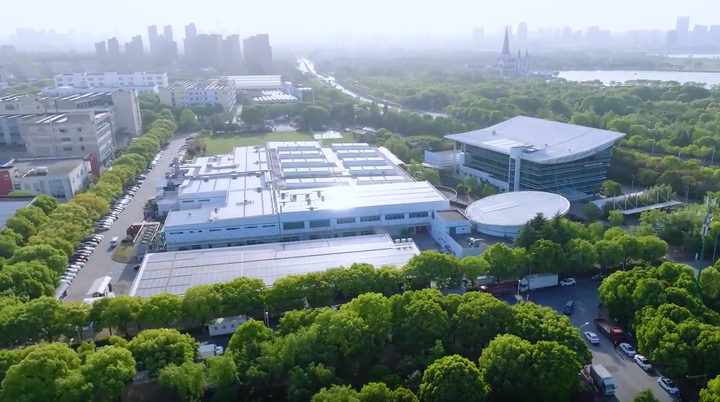
The site brings together wafer fabrication, chip design, research and development, electrical testing, and commercial activities. Approximately 3,000 people work at the 54-hectare operation, which runs continuously and supplies components for automotive, industrial, space, consumer, and secure electronic applications.
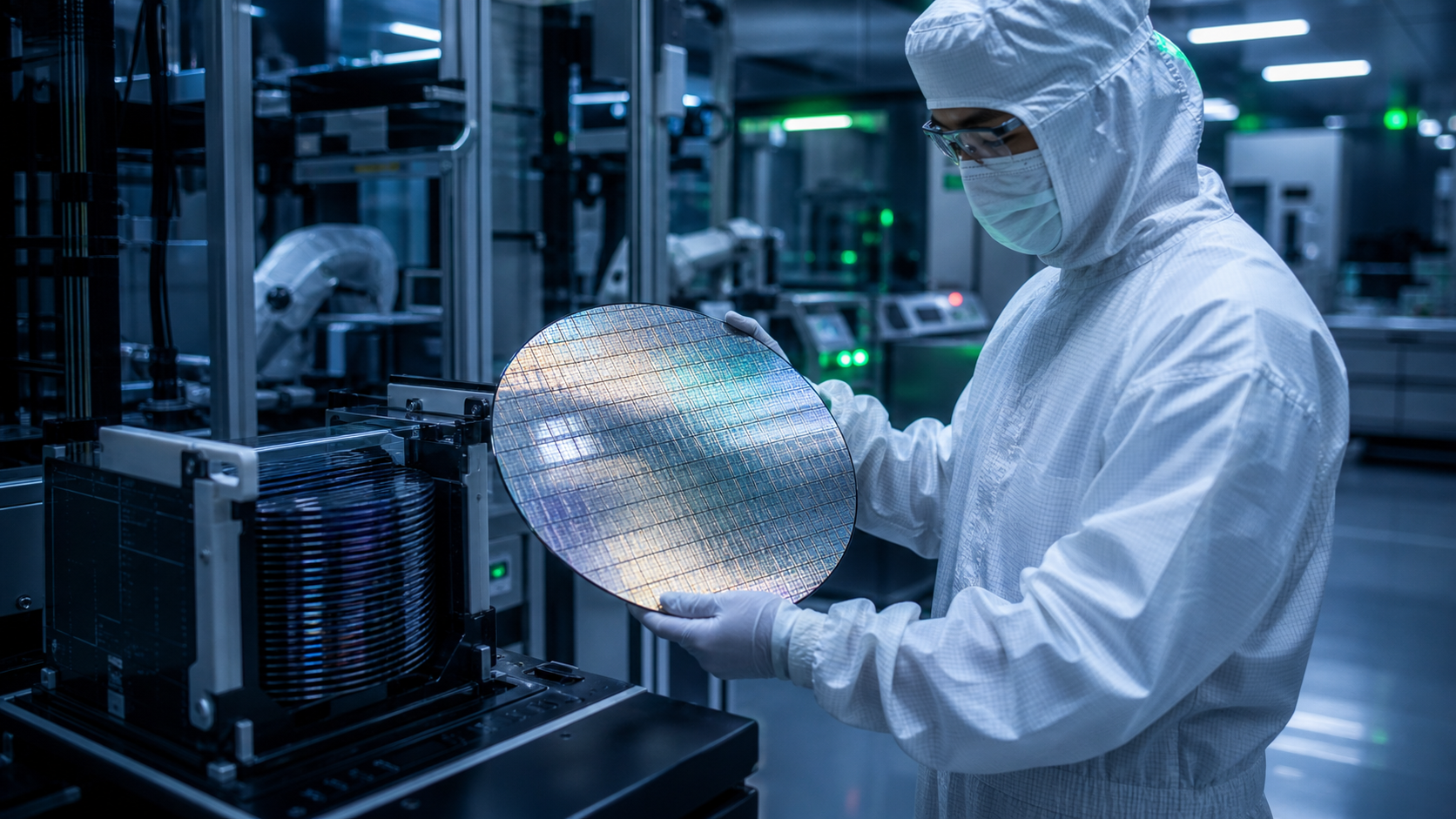
Semiconductor production requires wafers to pass through numerous processing stages, with individual tools performing functions such as material deposition, patterning, treatment, and inspection. Manufacturing capacity depends on the ability to coordinate these operations while maintaining process conditions, controlling contamination, and managing equipment availability.
Movement between processing stages can become a constraint when production volumes increase. Wafers are transported in controlled carriers, and delays in moving a lot from one tool to another can affect equipment utilisation and overall production time. Expanding processing capacity without corresponding improvements to material handling can leave additional equipment waiting for work.
ST is consequently enlarging its overhead automated material handling system, or AMHS, at Rousset. The project will add 700 metres of transport rails to the existing 900 metres, increasing the network to approximately 1.6 kilometres. According to the manufacturer, wafer lots travelling through the system can collectively cover up to 30 kilometres per day.
Automated transport reduces the dependence on manual movement between manufacturing operations. Combined with production-control software, the system can direct wafer lots towards appropriate equipment and coordinate movements according to processing requirements and available capacity. Its effectiveness depends on the scheduling logic, equipment interfaces, and ability to respond to changes on the production floor.
ST is also expanding connected process monitoring and production-control capabilities. These functions provide information about manufacturing activity, equipment status, and the progress of work through the fabrication sequence. Better visibility can help identify delays and support operational decisions, although the company has not published a quantified reduction in cycle time or improvement in manufacturing yield.
The cleanroom expansion and transport upgrades form complementary parts of the same programme. Additional processing tools can increase potential wafer throughput, while improved logistics may help the existing and new equipment operate with fewer unnecessary interruptions. The eventual production increase will depend on the interaction between these systems and the semiconductor technologies manufactured at Rousset.
Production using 200mm wafers remains important across semiconductor markets that rely on established process technologies. Many analogue, mixed-signal, microcontroller, and specialised devices are manufactured using processes where advanced logic scaling is not the principal requirement. Such products can remain in industrial and automotive designs for extended periods, making production continuity and manufacturing qualification important considerations.
Expanding an operating fabrication plant introduces constraints that differ from building an entirely new facility. Equipment must be installed and commissioned without compromising ongoing manufacturing, while process adjustments require control to preserve product characteristics. Where a manufacturing change affects qualified devices, customers may require additional documentation, testing, or approval before receiving products from the revised process.
The investment has already contributed to the creation of 100 positions through external recruitment and internal mobility. ST says approximately 40 further engineering and technician positions remain available. It is also developing staff capabilities in automation, digital systems, process control, and equipment supervision as the manufacturing infrastructure changes.
Around 60 partner companies are participating in the development programme, reflecting the combination of construction, equipment installation, automation, and technical services involved. ST's broader French operations encompass 12 sites and four manufacturing plants, with capital expenditure and research investment in France totalling approximately €12.1 billion between 2018 and 2026.
The Rousset investment is part of ST's effort to reshape its manufacturing footprint while improving utilisation and production efficiency. The manufacturer has not disclosed the incremental monthly wafer capacity, individual customer allocations, or a detailed cost breakdown for the project.
Construction, equipment upgrades, and automation work will continue through 2027. Their completion will expand Rousset's production infrastructure, with the scale of the resulting output increase determined by equipment commissioning, manufacturing yields, and the production programmes assigned to the site.