IN Brief:
- C165 is a pin-compatible successor to Aitech's C163 and C164 6U VME single-board computers.
- The board uses an Intel Core i7-1185GRE with Iris Xe graphics, up to 32GB LPDDR4X memory, and up to 4TB NVMe storage.
- TPM 2.0, Secure Boot, Intel Boot Guard, PMC/XMC expansion, and cooled variants target long-life defence platforms.
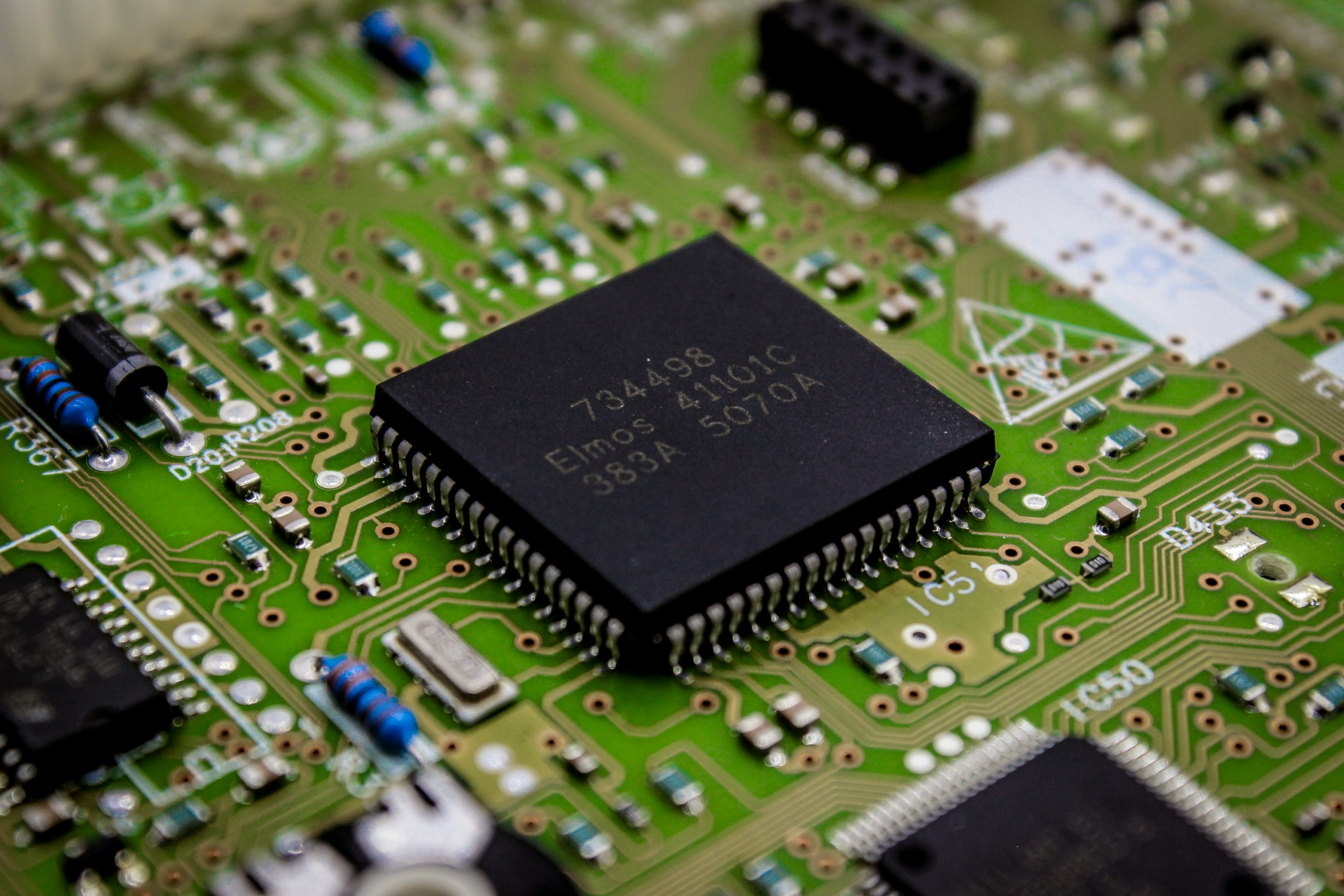
Aitech has introduced the C165 rugged 6U VME single-board computer as a pin-compatible upgrade for its C163 and C164 platforms, giving defence and aerospace programmes a route to newer Intel processing, graphics, storage, and security while retaining established VME infrastructure.
The board uses Intel’s 11th-generation Core i7-1185GRE Tiger Lake processor with integrated Iris Xe graphics. It supports up to 32GB of LPDDR4X-4267 memory and as much as 4TB of self-encrypting NVMe storage, with air-cooled and conduction-cooled variants intended for different platform and environmental requirements.
The C165 addresses an embedded-computing problem created by the mismatch between semiconductor and platform lifecycles. Processor generations can turn over within a few years, while military aircraft, naval equipment, surveillance systems, and ground platforms may remain operational for decades. The electronics therefore require periodic technology refresh even when the wider system architecture remains serviceable.
VME illustrates that problem particularly clearly. New defence computing programmes increasingly use VPX and other higher-bandwidth architectures, but large numbers of deployed systems were designed and qualified around VME. Replacing that architecture can affect backplanes, I/O boards, cooling, power supplies, software, drivers, wiring, mechanical structures, and environmental qualification.
Aitech is consequently selling compatibility as part of the C165 specification. Pin compatibility with C163 and C164 boards gives integrators a route to replace an older processor card while retaining more of the surrounding platform. That does not make an upgrade automatic — software, thermal loading, interfaces, and timing still require validation — but it can reduce the scope of change compared with redesigning the complete computing subsystem.
Tiger Lake increases both general-purpose processing and integrated graphics capability. Aitech claims roughly twice the processor performance per watt of its earlier VME products and more than 2.5 times the graphics performance. Those figures are manufacturer comparisons rather than independent benchmarks, but they indicate the workloads the company expects the refreshed board to address.
Integrated Iris Xe graphics can support display processing, sensor handling, image workloads, and some parallel computation without requiring a separate GPU board. In a constrained legacy chassis, avoiding another expansion card can matter as much as peak computational performance because slot count, power, and thermal capacity may already be fixed.
Expansion remains available through PMC and XMC mezzanine interfaces. That allows existing or application-specific I/O to remain attached to the processor board, helping retain specialist interfaces that may be difficult or expensive to redesign. Such interfaces can outlive several generations of central processors when they connect to sensors or platform equipment whose electrical characteristics have not changed.
The board also adds security functions including TPM 2.0, Secure Boot, Intel Boot Guard, encrypted storage, and secure-erase capability through Aitech’s AiSecure framework. These mechanisms can protect boot integrity and stored data, although the effectiveness of the complete platform still depends on firmware configuration, credential management, update procedures, software architecture, and physical security.
Storage is another substantial change from older VME generations. Up to 4TB of NVMe capacity gives mission systems considerably more local high-speed storage for sensor data, maps, applications, or logging than legacy flash arrangements, while self-encryption addresses systems where data must be protected if equipment is removed from service or physically compromised.
Aitech continues to support newer rugged architectures in parallel. Its U-C6850 3U VPX Ethernet switch, covered recently by IN Electronics, targets high-bandwidth modular systems rather than legacy VME refresh. The two product lines reflect the reality facing defence-electronics suppliers: customers want newer open architectures for fresh designs while still needing support for equipment already fielded in large numbers.
Obsolescence management is therefore part of the engineering case. A replacement component can trigger software changes, qualification work, and redesign even when its function appears simple. Preserving board-level interfaces gives programme managers another option between sourcing ageing components indefinitely and replacing the complete system.
The C165 is being introduced during the AFA Air, Space & Cyber Conference in Maryland, where Aitech is presenting rugged computing aimed at platform modernisation. The event itself is incidental to the product; the more important issue is how the board performs in long-lived programmes whose original processors are becoming difficult to sustain.
VME is no longer the architecture chosen for the highest-bandwidth new designs, but installed equipment is governed by qualification cost, integration risk, and operational availability as much as by bus performance. The C165 targets that less fashionable but commercially persistent requirement: fitting substantially newer computing into systems whose surrounding electronics are too deeply embedded to replace without good reason.