IN Brief:
- The kit pairs a Raspberry Pi 5 with BrainChip’s existing AKD1500 M.2 accelerator board.
- Event-based neuromorphic processing and on-chip learning support always-on sensing workloads without mandatory cloud retraining.
- Developers can carry validated AKD1500 designs into products using PCIe or SPI integration.
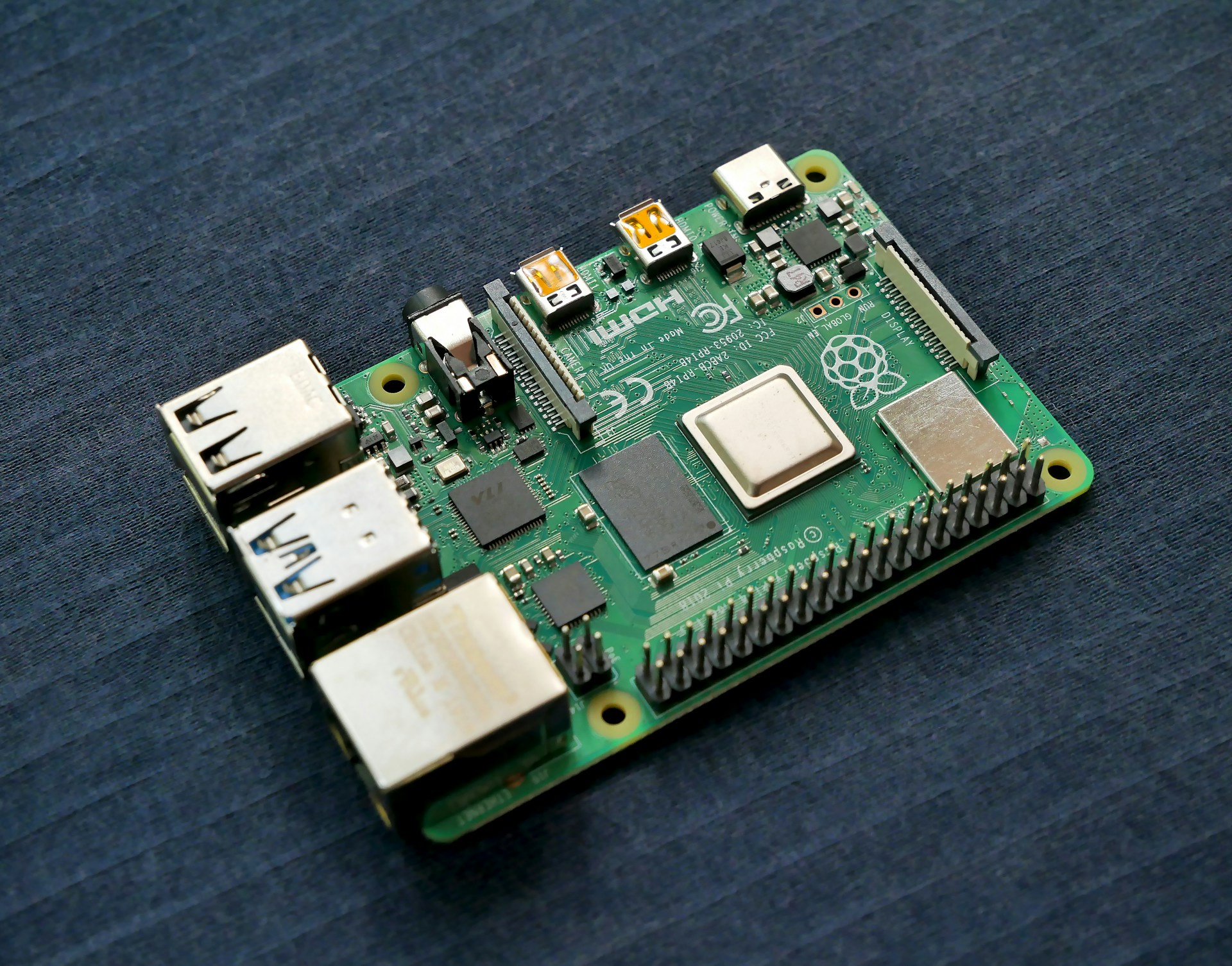
BrainChip has introduced an AKD1500 development kit built around Raspberry Pi 5, giving engineers a ready-made platform for evaluating its neuromorphic edge AI processor. The package combines the single-board computer with an AKD1500 M.2 board, allowing application teams to test local inference and on-device learning before selecting hardware for a production design. The kit is available through BrainChip’s online shop.
BrainChip already offers the AKD1500 in M.2 and PCIe development formats. The newly available kit adds a complete Raspberry Pi 5 host rather than a new processor design, allowing developers to bring up cameras, audio inputs and applications on a familiar single-board computer before deciding how to integrate the coprocessor. That distinction also separates this hardware from BrainChip’s more recent AKD1500 SPI device announcement and its separate Sequora processor IP programme.
Akida’s event-based neuromorphic approach processes selected input activity rather than continuously applying the same compute pattern to every incoming sample. BrainChip targets persistent detection and monitoring, including workloads that spend much of their time awaiting relevant events. The impact on energy use or throughput depends on the implemented model, data patterns and host-system activity; complete-system power and throughput must be measured on the chosen host, model and peripheral combination.
Local learning is another stated capability of the AKD1500 architecture. Supported models can add recognition classes, such as a keyword, gesture or object, on the device without transferring new examples to a cloud retraining service. This allows a product to respond to certain changes in its operating environment while keeping input data local. Developers still need to evaluate false positives, class retention and the handling of new samples against their own acceptance tests.
Raspberry Pi 5 supplies the operating environment and a familiar route to cameras, audio interfaces, and other peripheral data. The M.2 board provides the AKD1500 processing hardware within the kit. Engineers can use that pairing to develop a sensing pipeline, select which tasks execute on the coprocessor, and assess the accuracy and responsiveness of the complete device before moving to a custom board.
The kit’s development path carries forward the same AKD1500 processor. After evaluating with the Raspberry Pi host and M.2 board, a system designer can select a PCIe-connected implementation or an AKD1500 SPI device for a different host architecture. These interfaces bring different bus speeds, software integration steps, pin requirements and board-level constraints. Moving from a Raspberry Pi demonstration to a microcontroller-based product therefore requires engineering work even if the neuromorphic processing architecture is familiar.
BrainChip provides MetaTF tools and models through its developer resources. It also describes Docker images that will become available to simplify demonstrations, benchmarking and reusable application environments; those containers should not be treated as a confirmed included feature of every kit at launch. The existing evaluation software and the physical Raspberry Pi 5 package are the immediate means of assessing the hardware.
Recognition performance will depend on representative field inputs. An acoustic detector must tolerate background noise and microphone placement; a camera-based detector must handle lighting, changing scenes and the selected preprocessing pipeline. Power measurement likewise needs to include the Raspberry Pi host, the M.2 hardware, attached sensors and communication links. Measuring only the accelerator would not establish the electricity required by a finished always-on device.
Raspberry Pi provides readily available peripherals for such assessments, while the M.2 board keeps the accelerator hardware independent of the host application. Once an engineer has selected sensing and inference tasks, the input pipeline and control software can be profiled together for memory use, latency and sustained operation. Those results determine whether the eventual product needs the Raspberry Pi’s processing resources or can use a smaller host alongside the AKD1500.
The AKD1500 Raspberry Pi 5 Development Kit is on sale through BrainChip’s shop. Its commercial purpose is to let teams validate the existing Akida silicon on streaming application data and then migrate to a suitable production interface. The next design decision remains the host processor, not a change of neuromorphic chip: integration and system-level measurements must establish the final architecture.