IN Brief:
- Foxconn subsidiary Lin Yin has agreed to acquire 50% of Mitsubishi Electric Mobility through a proposed transaction capped at approximately ¥115bn.
- The agreement assigns ¥320bn enterprise value and ¥230bn equity value to the business; the expected purchase consideration concerns only the 50% stake.
- The companies plan electric powertrain and vehicle-control cooperation, but share transfer and the joint operation await an expected 1 October 2027 closing subject to conditions.
Foxconn and Mitsubishi Electric have signed a definitive agreement under which Foxconn’s investment management subsidiary Lin Yin International Investment plans to acquire a 50% holding in Mitsubishi Electric Mobility. The expected purchase consideration is approximately ¥115 billion, subject to a transaction cap, closing-account adjustment, competition clearance and other conditions. Announced on 16 October 2026, the agreement establishes transaction terms following the parties’ exploratory memorandum in April; it does not transfer the shares immediately.
Mitsubishi Electric Mobility houses Mitsubishi Electric’s automotive equipment business. The signed agreement assigns the operation an enterprise value of ¥320 billion and an equity value of ¥230 billion. The proposed ¥115 billion consideration is calculated from half the equity value, and Foxconn’s separate stock-market disclosure specifies an amount not exceeding that figure. Enterprise value, total equity value and the 50% stake price describe different measures and should not be presented as three costs of the transaction.
Lin Yin’s disclosure identifies 503 common shares proposed for acquisition and states that the actual consideration will be adjusted against closing financial statements. Foxconn says funding will come from its own capital. Completion requires regulatory approvals, including competition-law clearance, as well as satisfaction of other contractual conditions, and is expected on 1 October 2027. Neither the share transfer nor the proposed 50:50 operating structure has been reported as already completed.
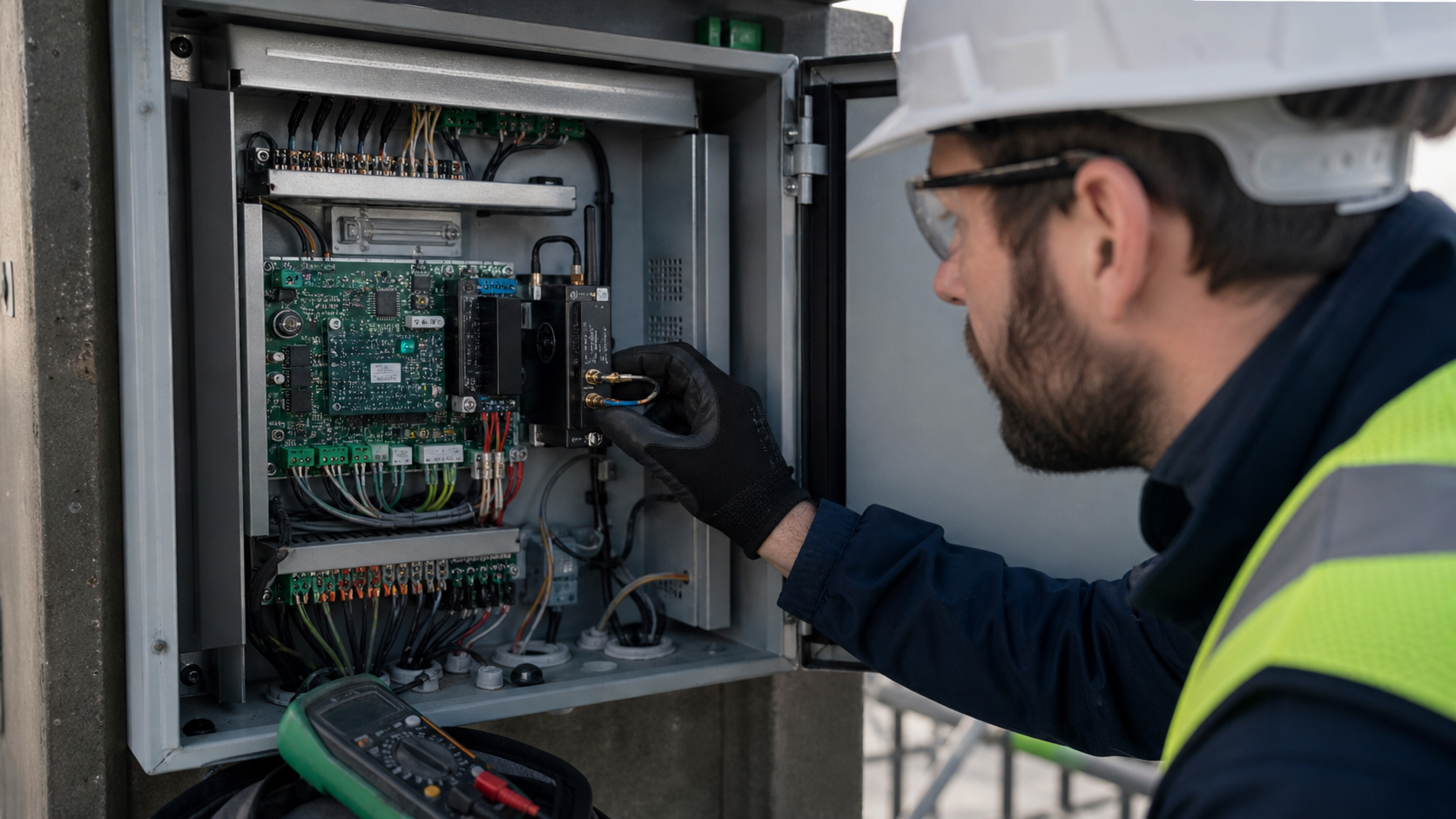
The planned industrial partnership centres on Mitsubishi Electric Mobility’s capabilities in electric powertrains, software and vehicle control, alongside Foxconn’s electronics manufacturing scale and experience bringing hardware platforms to market. Electric drivetrains require coordination between power conversion, motor control and the vehicle’s supervisory electronics. The behaviour of an inverter or traction controller cannot be assessed independently of the motor, battery, thermal limits and safety requirements built into the vehicle architecture.
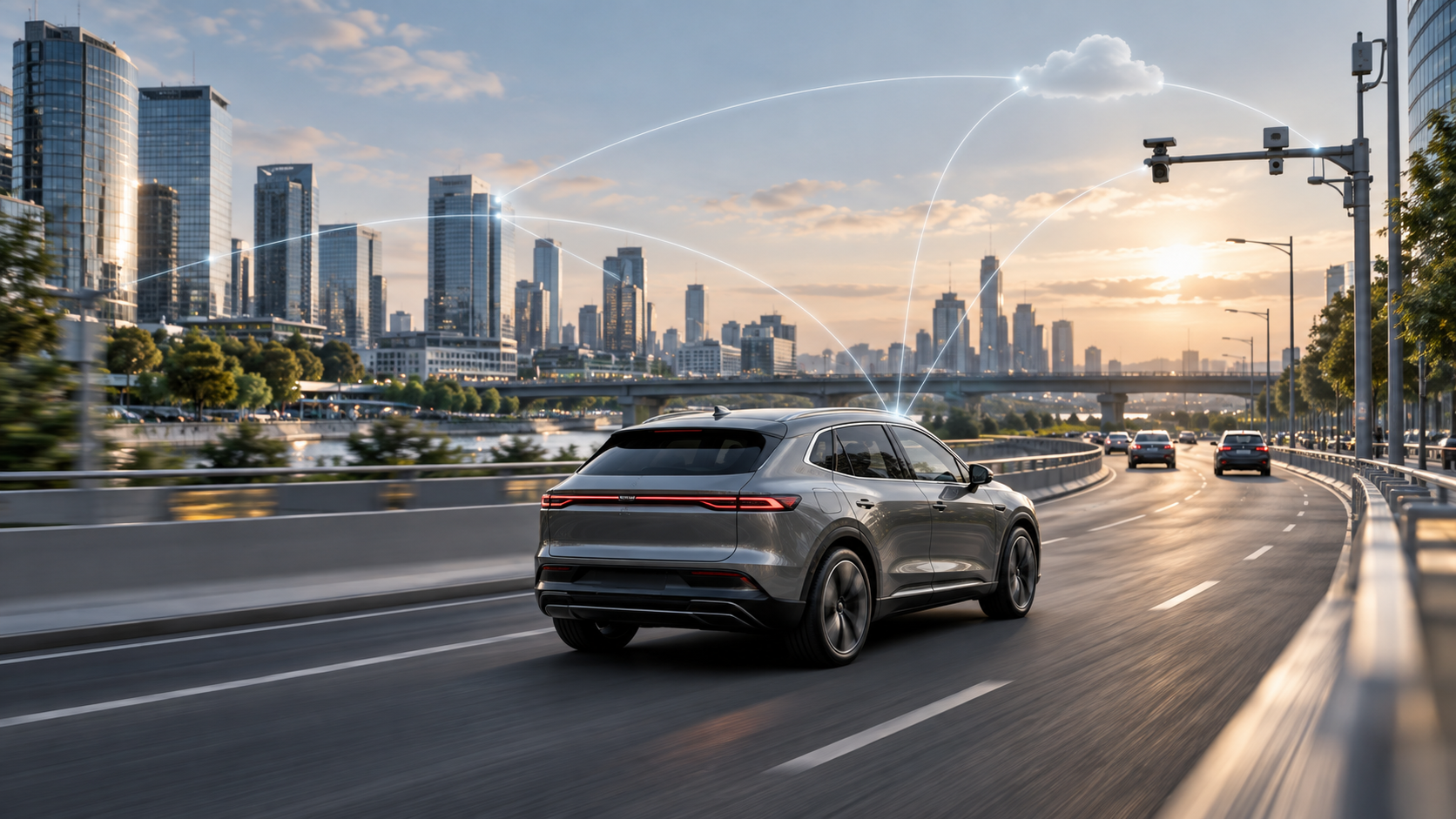
Software-defined vehicle development introduces a further integration layer. Functions increasingly depend on reusable computing platforms, communication networks and software that can be updated through a vehicle’s lifecycle. Such an approach can reduce the need to redesign every electronic control unit for every vehicle model, but only where the hardware abstraction, cybersecurity controls, diagnostic coverage and functional-safety architecture are properly established. The companies have not specified a common controller design or a production schedule for a new electrical architecture.
Foxconn has developed vehicle platform and manufacturing activities beyond its established electronics businesses, while Mitsubishi Electric Mobility contributes automotive equipment research and relationships with vehicle manufacturers. The prospective joint operation is intended to support a Japanese-origin electric vehicle platform and associated supply programmes. The two sides have not disclosed a binding customer production order, a nominated vehicle model or a factory opening resulting from the October agreement.
A jointly owned business will need agreement on capital expenditure, product roadmaps, intellectual property and supplier qualification before shared engineering programmes can be implemented. Vehicle electronics are validated against particular operating environments, so moving a production process, changing a device or revising a software baseline may require substantial requalification. A future manufacturing partnership cannot bypass existing customer approvals or functional safety requirements.
The April 2026 memorandum of understanding was explicitly exploratory and left the parties to negotiate commercial terms. By contrast, the October announcement establishes the proposed ownership ratio, valuation and contractual transaction framework. It should not be confused with Foxconn’s separate arrangement involving Mitsubishi Fuso’s bus business, or with the two companies’ previous discussions about AI data-centre solutions; these involve different entities and objectives.
The partners describe ambitions to combine electric powertrain and vehicle-control engineering with Foxconn’s manufacturing and commercial capabilities, and to make resulting technologies available in wider markets. Specific controller architecture, processor selection, inverters, power semiconductors and manufacturing responsibilities have not been disclosed. The ambition to develop a platform is not evidence that a completed electric vehicle architecture or qualified production programme is operating.
The proposed 503-share transfer is targeted for 1 October 2027, subject to approvals and closing conditions. Until that point Mitsubishi Electric Mobility continues under its existing ownership, and neither the proposed joint governance nor any associated engineering integration should be described as completed. The October milestone is the definitive share-purchase agreement; implementation, ownership transfer and future products remain separate steps.