IN Brief:
- NORBIT's Product Innovation and Realisation segment has received an approximately NOK185m defence and security manufacturing order.
- Its Norwegian manufacturing capabilities include automated high-volume SMT assembly and flexible production of complex electronic systems.
- Most deliveries are scheduled for Q1 2027, alongside NOK100m of previously awarded orders due in the same quarter.
NORBIT has received a contract manufacturing order worth approximately NOK185m from an undisclosed European customer in the defence and security sector. The work has been awarded to the Norwegian company’s Product Innovation and Realisation (PIR) segment, with most deliveries scheduled for the first quarter of 2027. The order follows earlier contracts worth approximately NOK100m that are also scheduled for delivery during that quarter.
The new award increases PIR’s production commitments at a time when European defence and security customers are seeking manufacturing capacity within the region. NORBIT has not disclosed the customer’s identity, the electronic products involved, or the number of assemblies to be supplied. Its 2 November stock exchange disclosure establishes the contract value and expected delivery period without identifying the underlying equipment programme.
Combining the new order with the previously disclosed commitments gives approximately NOK285m in announced contract value associated with deliveries scheduled principally for Q1 2027. That amount represents orders, rather than confirmed quarterly revenue. The final accounting treatment and timing of revenue recognition will depend on contract terms, completed deliveries, and the company’s applicable reporting arrangements.
PIR provides electronic product development, industrialisation, and contract manufacturing services. Its engineering activities include analogue and digital electronics, embedded software, radio-frequency design, signal processing, and electronic assembly development. These capabilities allow the division to support customers from product design through production, with manufacturing arrangements adapted to the complexity and expected volume of the equipment.
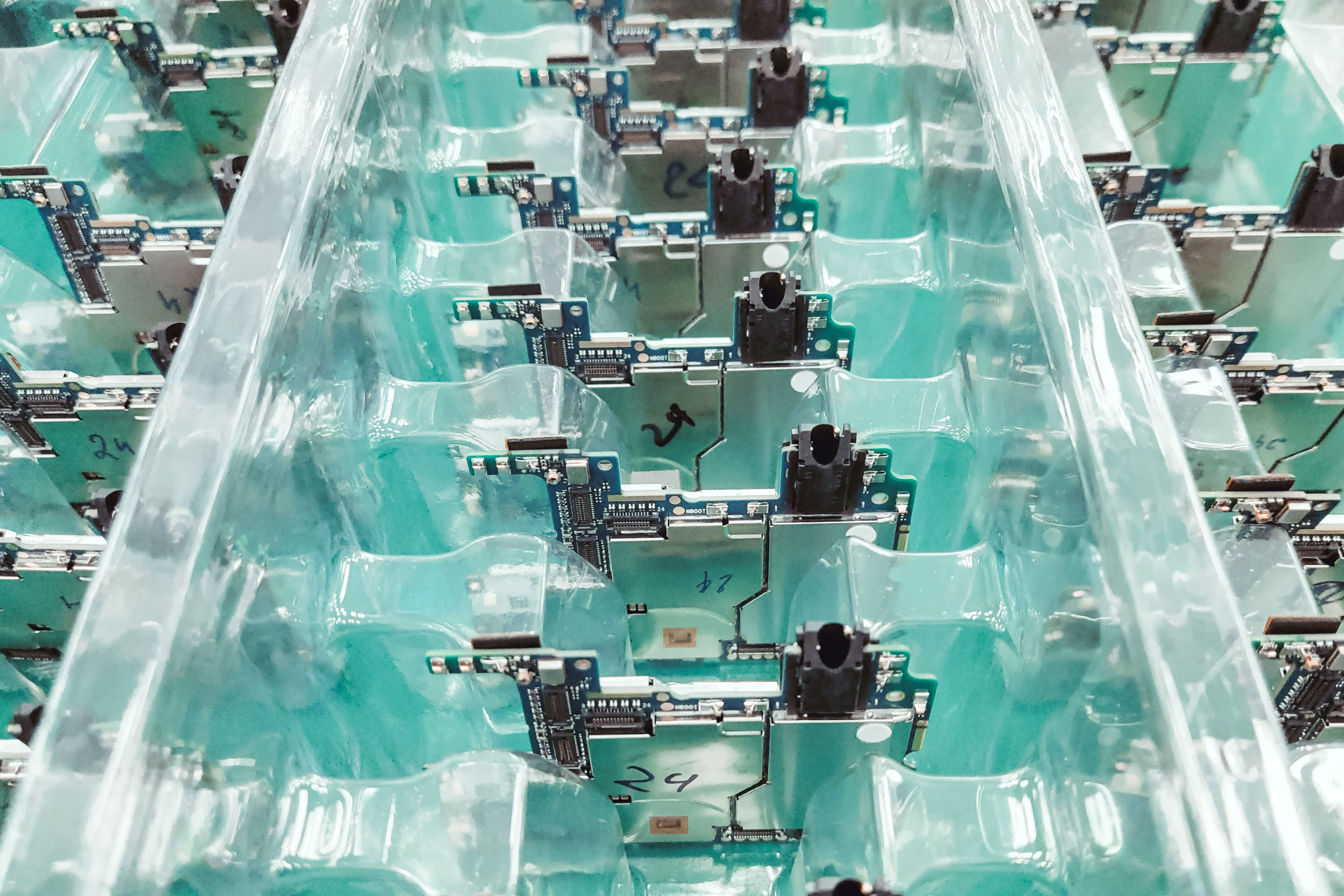
NORBIT’s Røros facility specialises in automated surface-mount electronics manufacturing. The factory operates production equipment designed for high throughput and repeatable assembly, with established capabilities in microelectronics and hybrid manufacturing. Surface-mount production involves depositing solder paste, placing components onto printed circuit boards, and processing the assemblies through controlled soldering and inspection operations.
Consistency across those operations depends on equipment setup, component handling, soldering conditions, and inspection procedures. Changes in component dimensions or board layout can require adjustments to placement programmes and assembly processes. Automated equipment supports repeated production, but the manufacturing route must still be established and validated for the particular electronic design.
At Selbu, NORBIT provides more flexible manufacturing for products requiring varied configurations, shorter production runs, or specialised assembly work. The facility supports printed circuit board assemblies and complete electronic systems, allowing production processes to be adapted where customer programmes do not justify a fixed high-volume arrangement. NORBIT has not identified which factory or combination of facilities will fulfil the latest order.
The different production capabilities allow engineering and manufacturing work to be matched to the stage of a product’s development. Prototypes may require changes to component selection, board design, or assembly methods before a stable production process is established. Once those requirements have been resolved, suitable products can move towards more automated production without necessarily changing the engineering organisation responsible for their industrialisation.
Manufacturing electronics for defence applications can introduce extensive requirements for component traceability, documentation, configuration control, and product reliability. The specific controls depend on the equipment, its intended use, and contractual obligations. NORBIT identifies manufacturing precision, reliability, and the ability to increase production volumes as important elements of its existing defence and security operations.
Traceability connects individual manufacturing batches with the components, equipment settings, and inspection results involved in producing them. These records can support investigations into manufacturing defects and provide evidence that an assembly was produced under the approved conditions. Where products remain in service for extended periods, configuration control also helps manufacturers identify which parts and design revisions were incorporated into a particular unit.
Component availability can affect the ability to maintain those approved configurations. A discontinued semiconductor or connector may require an alternative source, a design change, or further qualification before production can continue. NORBIT’s combination of engineering and contract manufacturing capabilities provides a way to manage such decisions within the same product-development and production organisation.
The company reports investment of nearly €25m in advanced production systems and automation since 2020, alongside an engineering workforce of more than 100 research and development specialists. These resources support customers requiring different levels of product development and manufacturing assistance, from individual electronics modules to integrated equipment assemblies.
Beyond defence, PIR serves applications including industrial electronics, medical devices, automotive systems, and communications equipment. These markets share requirements for reliable assembly and documented manufacturing processes, although their product specifications and qualification frameworks differ. A flexible manufacturing operation must accommodate those differences while retaining appropriate controls over production quality.
The PIR segment operates alongside NORBIT’s Oceans and Connectivity businesses. Oceans develops technologies for maritime applications, while Connectivity supplies wireless identification, tracking, and monitoring solutions. PIR provides development and manufacturing capabilities both to external customers and within the wider group, giving it a different commercial structure from NORBIT’s principal branded product activities.
The latest order therefore adds to an established electronics manufacturing business rather than representing the creation of a new defence division. NORBIT’s existing facilities, engineering teams, and production arrangements provide the industrial capacity behind its customer commitments, while the undisclosed contract will require delivery according to the customer’s own specifications and schedule.
Most of the NOK185m order is expected to be fulfilled in the first quarter of 2027. The company has not provided a detailed manufacturing timetable or quantified the proportion scheduled for that period. Its next financial reporting and operational updates will establish how the new and previously awarded contracts progress through production and delivery.