IN Brief:
- Pfannenberg is consolidating its global operating model as OEMs and industrial users push for more consistent support across thermal management, liquid cooling, and signalling programmes.
- One Pfannenberg brings engineering, manufacturing, digital systems, and commercial functions into a single framework intended to shorten response times and standardise execution worldwide.
- The enlarged executive board points to a stronger focus on scalable operations, supply-chain coordination, and long-cycle industrial electronics projects.
Pfannenberg has launched One Pfannenberg, a group-wide operating model that brings its global teams, engineering expertise, manufacturing operations, and digital capabilities into a single framework. The move is pitched as a structural shift rather than a branding exercise, with the company aiming to tighten collaboration across regions and present a more consistent face to customers buying thermal management, liquid cooling, and signalling systems into industrial equipment and infrastructure.
That matters because Pfannenberg’s product mix sits directly on the fault line between electronics reliability and plant uptime. The company’s portfolio spans enclosure cooling units, heat exchangers, chillers, heaters, and visual and audible warning devices, all of which tend to be specified deep inside control cabinets, process systems, safety installations, and automation lines. When those products are bought into multi-site machine platforms or rolled out across several regions, differences in engineering support, lead times, and service models become more visible than they once were.
One Pfannenberg is designed to reduce that friction. The company said the new structure is intended to speed decisions, align standards, and simplify engagement through more harmonised digital processes. In practice, that suggests a tighter link between product engineering, application support, factory operations, and regional sales teams, which is where delays and inconsistencies usually show up first on industrial projects with long qualification cycles and strict performance requirements.
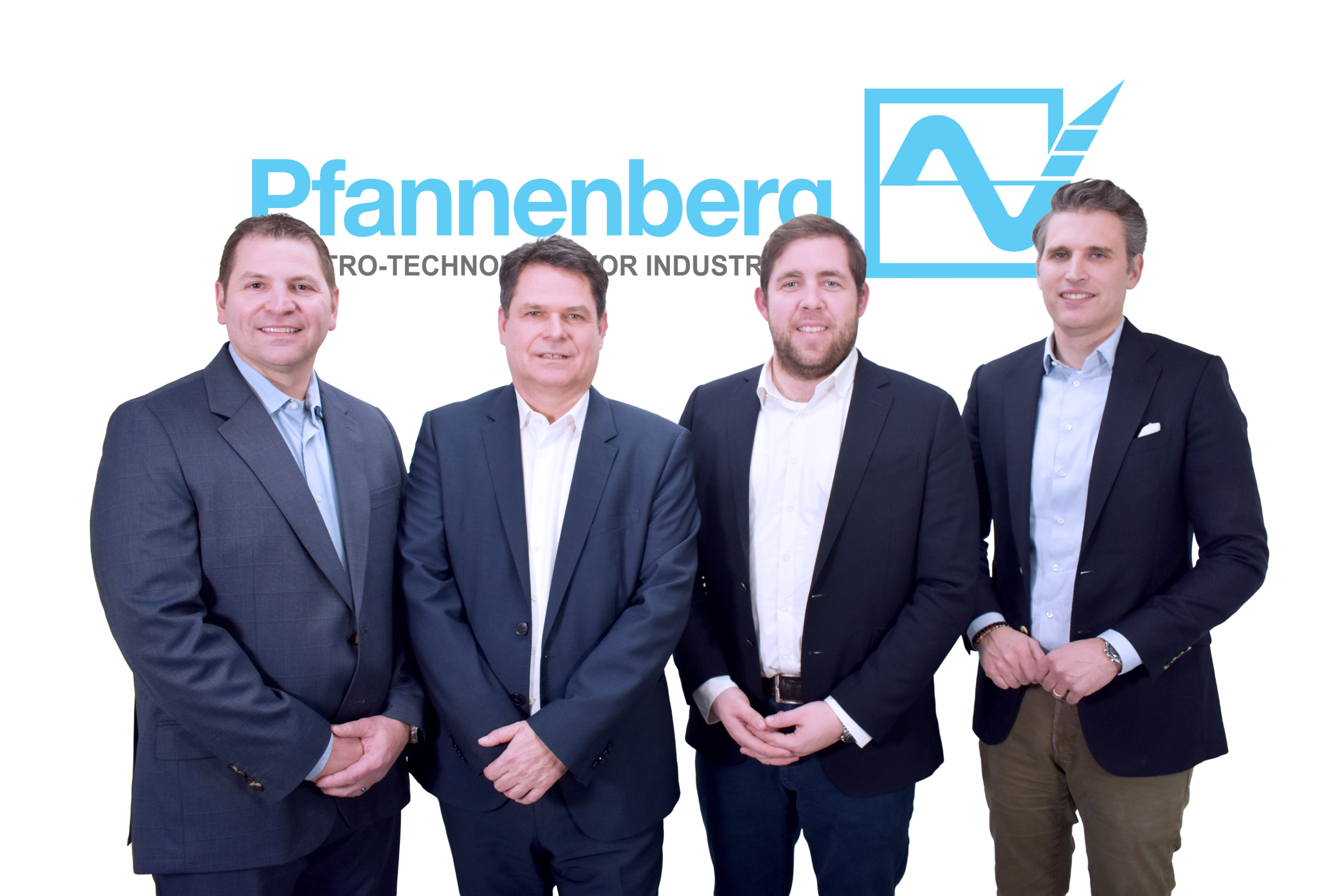
Pfannenberg is pairing that change with a broader executive set-up. Dr. Maximilian Müller has joined as chief financial officer and Earl Rogalski as chief commercial officer, alongside chief executive officer Dr. Tobias Merl and chief operating officer Jan Möbius. The expanded board gives the company clearer ownership across financial control, commercial strategy, operations, and transformation, which is often where international industrial suppliers either gain momentum or lose it as they scale.
For customers, the immediate significance is less about management language than about continuity. Pfannenberg is signalling that it wants globally coordinated delivery, more predictable support, and a tighter operating model behind the products that protect electronics, manage heat, and handle warning functions in demanding environments. Further details are available on Pfannenberg’s One Pfannenberg announcement page.