IN Brief:
- Peak Production Equipment has adopted Testblox instrumentation for a new generation of automated fixture-based functional testers.
- A demonstrated configuration places eight compact instrument modules on two backplanes and connects them directly through a custom interface board.
- Two customers have already used the approach, according to the partners, but independently verified savings and production volumes were not disclosed.
Peak Production Equipment is standardising Testblox modular instruments for a new generation of automated electronics production test fixtures. The UK system integrator has developed a configuration with eight instruments mounted on two backplanes, linked through a custom interface board rather than individual instrument cables. According to the partners, two Peak customers have already used the arrangement.
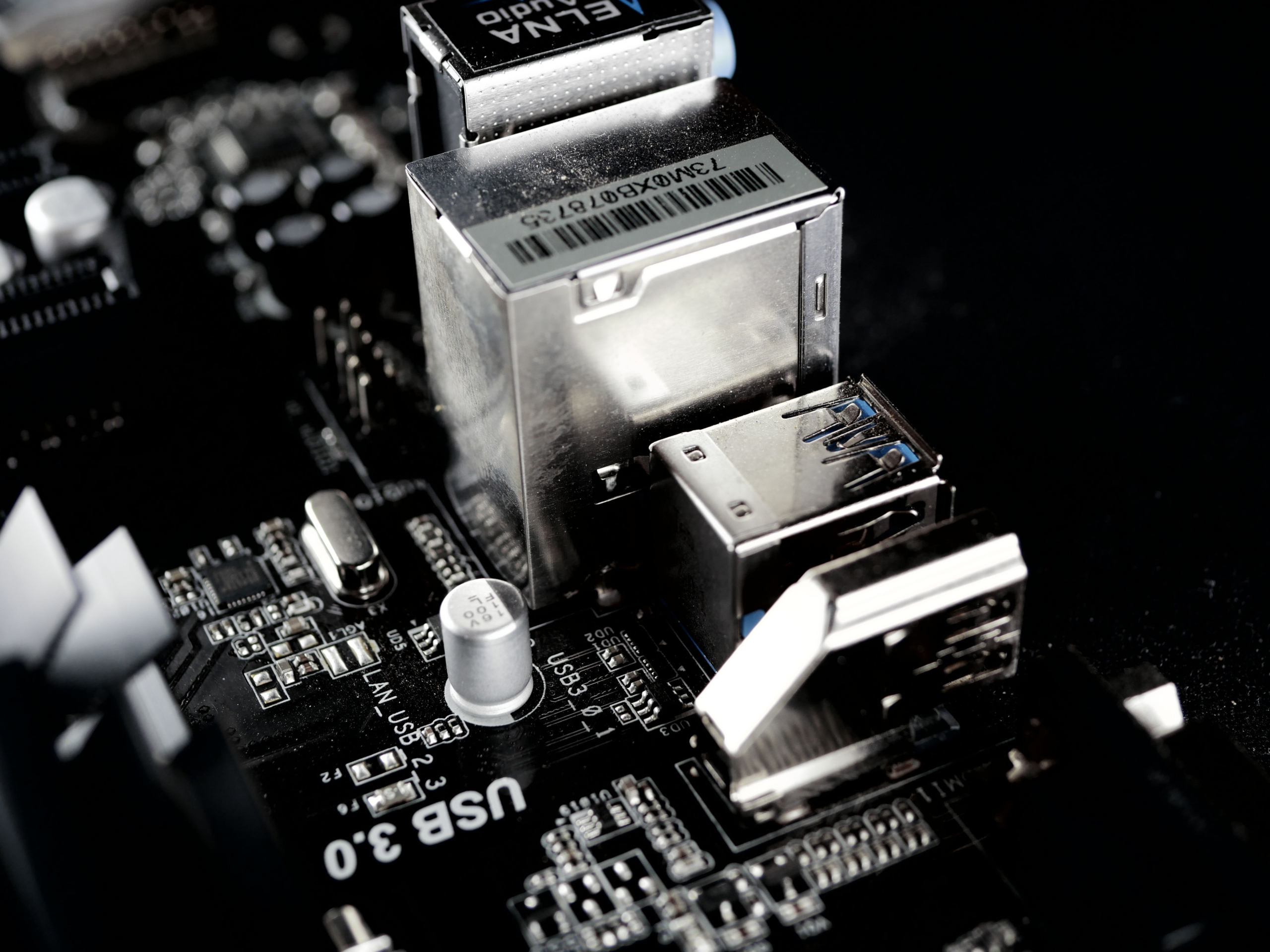
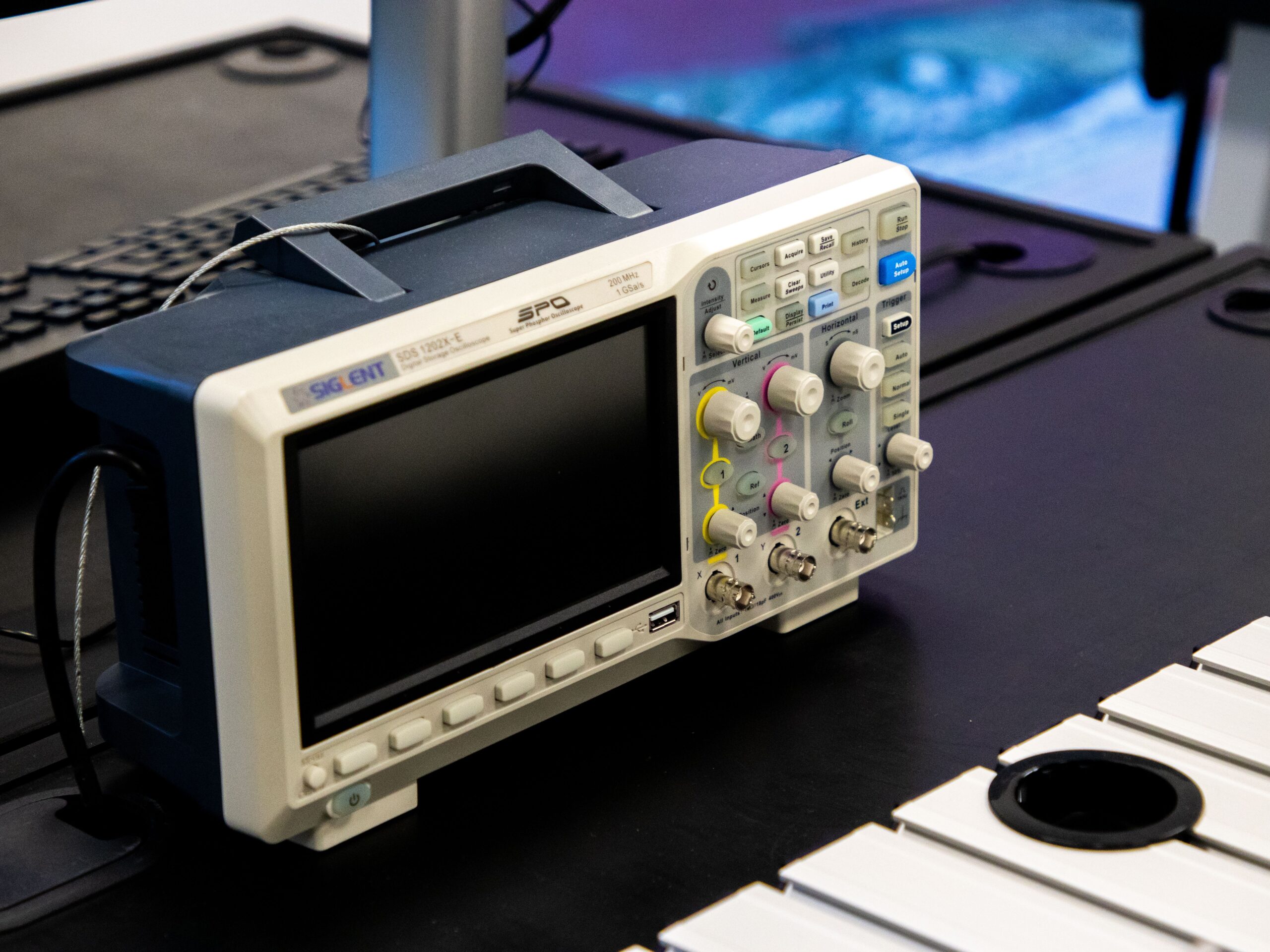
In a conventional functional tester, separate bench or rack instruments send power, measurements, and control signals through harnesses to the fixture holding the electronic assembly. Peak places compact instrument modules closer to that fixture and mates their edge connectors with a purpose-designed board. The resulting signal paths have fewer individually terminated connections, although the product interface, safety wiring, and external services remain specific to the tester.
Sweden-based Testblox develops compact commercial-off-the-shelf instrumentation intended to fit within production fixtures. Its architecture can incorporate modules from Testblox, Wireflow, and Pickering with shared mechanical and connection conventions. Peak retains responsibility for the individual tester design, the interface presented to the product, and the mechanical integration needed to load, secure, and release each assembly.
The demonstration architecture distributes eight instruments across two backplanes. A Peak interface printed circuit board connects directly to their module interfaces, replacing several separate cable runs with tracks whose geometry can be documented and reproduced. That change does not eliminate wiring throughout the tester: external supply, fixture actuation, protective interlocks, and application-specific connections still have to be engineered.
Electrical performance depends on how those routes are laid out. A measurement lead has resistance, inductance, capacitance, and susceptibility to pickup, all of which can affect the result when testing low-level analogue signals or rapidly changing digital interfaces. Shorter connections can reduce some of these influences, but the custom printed circuit board must still manage trace impedance, grounding, isolation, and separation between noisy and sensitive signals.
When a production tester is duplicated across multiple lines, harness length and termination quality can vary from build to build. A direct board interface can make routing more consistent, provided its fabrication, assembly, and connector tolerances are controlled. It transfers some variability from manual cable manufacture into PCB design and inspection, where revisions must be recorded if the electrical path changes.
Modularity can simplify the replacement of a failed instrument, but not every service problem disappears. A damaged backplane connector or an error on the application board still needs diagnosis, and replacement modules have to meet the original voltage, current, timing, and measurement limits. Calibration status and software compatibility remain part of the acceptance checks when an instrument is changed.
Functional production testing verifies how a completed electronic assembly behaves under prescribed conditions. Depending on the design, the sequence may start individual supply rails, measure analogue signals, switch loads, exercise digital communications, and compare outputs with specified limits. Test timing, fixture contact integrity, and traceable results matter because the recorded pass or failure determines whether an assembly continues through production.
Peak expects reuse of instrument control software across future fixtures, rather than rebuilding the entire interface around each product. Product-specific stimulus, measurement limits, and sequencing will still require engineering and validation. Version control, calibration records, and handling of failure data also remain essential when the same hardware modules are used in different programmes.
The suppliers associate the new arrangement with lower build complexity and shorter commissioning time, but have not disclosed a controlled comparison of wiring hours, full tester cost, maintenance intervals, or production throughput. A cost reduction quoted in separate trade coverage lacks a common measurement basis. It should not be presented as a result established for all fixtures or customers.
Peak has more than four decades of experience integrating automated test systems, while Testblox was established in 2025. The collaboration links a mature fixture building operation with a newer modular instrumentation supply chain. Sustained deployment will depend on compatible replacement modules, stable connector definitions, repair support, and preservation of test programmes as the products under examination are revised.
The eight-module system was presented alongside electronica 2026 and has been used by two reported Peak customers. Additional installations could establish whether direct board connectivity improves tester consistency and reduces maintenance work across different products. At present, the disclosed evidence demonstrates the architecture and its early adoption, not a measured improvement across every class of electronic production test.