IN Brief:
- The 20,000 sq ft Bengaluru facility includes SMT, through-hole, and box-build electronics assembly.
- Production targets high-reliability applications across rail and transport, industrial electronics, energy, and medical equipment.
- The joint venture combines Syrma SGS manufacturing scale in India with Elemaster's European engineering and high-reliability electronics experience.
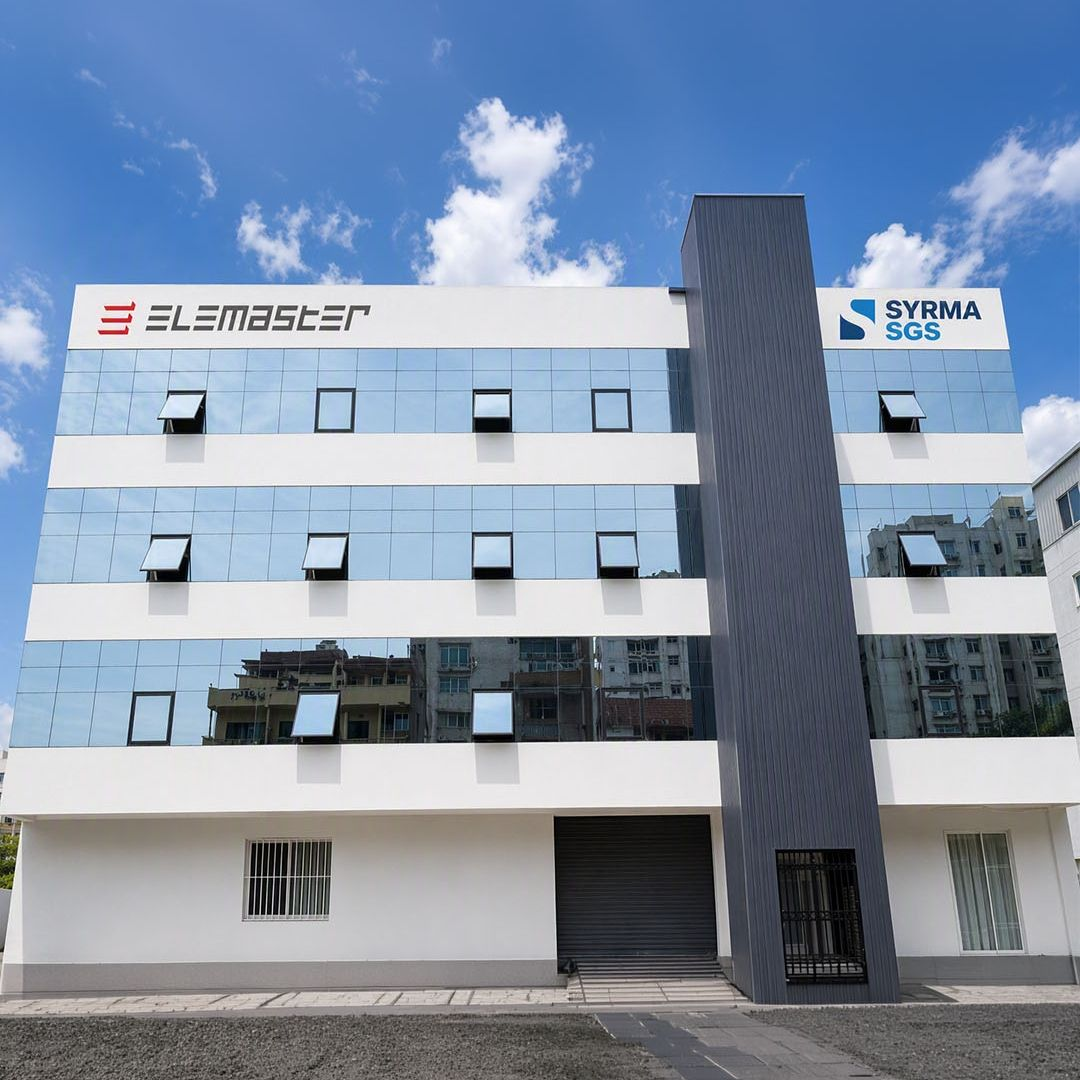
Syrma SGS Elemaster has opened a 20,000 sq ft high-reliability electronics manufacturing facility in Bengaluru, adding surface-mount, through-hole, and box-build assembly capacity for customers across transport, industrial, energy, and medical markets. The plant is located in the Bommasandra Industrial Area and represents the first dedicated manufacturing facility operated through the joint venture between India’s Syrma SGS Technology and Italy-based Elemaster.
The site combines Surface Mount Technology assembly with Through-Hole Technology and box-build lines, giving the operation a route from populated circuit boards into more complete electronic assemblies. That mix is particularly relevant to the markets being targeted because high-reliability equipment frequently combines fine-pitch surface-mount devices with larger connectors, power components, transformers, relays, electromechanical hardware, and other parts that cannot be handled through one assembly process alone.
The venture was established to support electronics programmes where product quality, traceability, engineering support, and long service lives carry more weight than consumer-scale volumes. Its target sectors include railways and transportation, industrial electronics, energy systems, and medical equipment, with the partners also positioning the Bengaluru site to serve both Indian and international OEMs.
Syrma SGS holds 60% of the joint venture and Elemaster 40%. The partners first disclosed plans for the Bommasandra operation in 2025 and completed the joint-venture transaction earlier this year, making the September inauguration the point at which the manufacturing proposal has become an operational site rather than another capacity announcement.
The two parent companies bring different capabilities to the facility. Syrma SGS contributes Indian electronics-manufacturing scale, local execution, and an established supply-chain network, while Elemaster brings design, industrialisation, validation, manufacturing, and high-reliability programme experience developed across European markets. Elemaster’s existing operations cover SMT and THT assembly, test, conformal coating, potting, and complete electromechanical equipment, although the new Bengaluru announcement does not state that every one of those services is immediately available at the joint-venture plant.
That distinction matters because manufacturing high-reliability electronics involves more than installing placement equipment. SMT yield depends on stencil control, solder-paste deposition, placement accuracy, reflow profiling, inspection, and management of defects before assemblies move downstream. Through-hole and box-build processes then add further soldering, mechanical, wiring, test, and manual assembly operations that have to remain under the same quality system.
The target industries also place different stresses on production. Rail electronics can require long service lives and tolerance of vibration, temperature variation, and difficult maintenance environments. Industrial and energy systems frequently combine control electronics with power conversion, communications, and ruggedised interfaces, while medical products place particular emphasis on traceability and validated manufacturing processes. Qualification remains specific to individual products and customer programmes, however, and the inauguration does not establish certification for every application the plant intends to serve.
The facility also gives European electronics customers another potential route into Indian manufacturing without separating engineering knowledge completely from production. Elemaster’s design and high-reliability experience can be combined with Syrma SGS’s local manufacturing footprint, while the venture provides a single operation intended to support transfer from engineering into repeatable assembly.
Such transfers are often more difficult than moving a bill of materials and a set of Gerbers between factories. Process windows, test fixtures, approved component sources, workmanship standards, documentation, operator training, and change-control procedures all have to follow the product if a new site is expected to reproduce an established manufacturing outcome. The usefulness of the joint venture will therefore depend on how effectively the Bengaluru team absorbs that process knowledge as customer programmes move into the plant.
India’s electronics-manufacturing expansion provides the broader industrial backdrop. Government policy has placed considerable emphasis on semiconductor and component manufacturing, but downstream board assembly and system integration remain essential if locally produced devices are to feed complete industrial products. High-reliability EMS capacity also serves a different part of the market from the very large factories associated with consumer electronics, with programme complexity and engineering support often more important than raw output.
The 20,000 sq ft footprint is consequently only one measure of the site’s significance. The partners have not published installed line capacity, headcount, equipment models, production volumes, customer names, or detailed certification status. Those figures will become more useful as programmes enter qualification and series manufacture.
The inauguration nevertheless closes the gap between a planned joint venture and a functioning manufacturing location equipped for SMT, THT, and complete assembly work. The next meaningful measure will be the programmes transferred into Bengaluru and the level of test, quality, and process capability developed around them. In high-reliability electronics, a new factory begins with machines on the floor; its real value appears only when customers are prepared to trust those machines with products expected to remain in service for years.