IN Brief:
- Accuray will purchase $8m of specified RayStation licences to support commercial deployment of online adaptive radiotherapy.
- Initial development combines RayStation and RayCare with Accuray’s Radixact imaging and treatment-delivery platform.
- CyberKnife integration is planned after the first Radixact implementation, subject to applicable regulatory requirements.
Accuray and RaySearch Laboratories have expanded their collaboration to integrate RayStation treatment-planning software more closely with Accuray radiation-therapy platforms.
The initial work centres on Radixact, with CyberKnife integration planned later. Accuray has committed to purchase $8 million of specified RayStation licences to support commercial deployment, with RaySearch expecting the associated revenue to be recognised mainly during the third and fourth quarters of 2026.
The companies are developing an online adaptive radiotherapy workflow that combines treatment planning, current patient imaging, care coordination, and treatment delivery. RaySearch will enhance RayStation for the Radixact platform, while RayCare will provide connectivity between clinical systems and support the movement of data through the adaptive workflow.
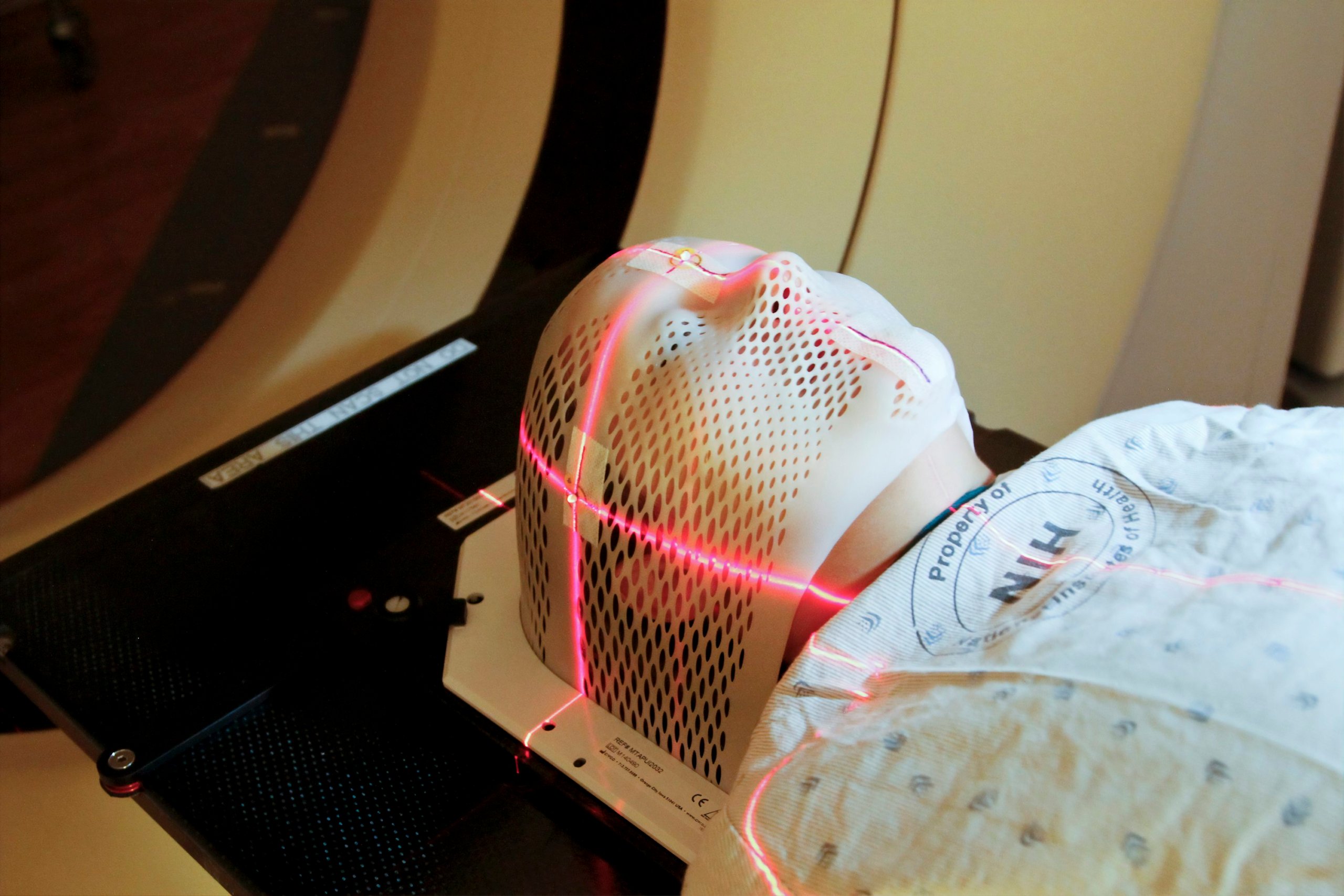
Adaptive radiotherapy allows a treatment plan to be altered when a patient’s anatomy no longer matches the conditions captured during the original planning process. Tumour response, organ movement, weight change, and day-to-day positioning can alter the relationship between the planned radiation field and the tissue presented to the machine at the time of treatment.
An online adaptive system compresses the replanning process into the treatment session. Imaging has to be acquired and interpreted, the revised anatomy incorporated into the planning environment, dose recalculated, the resulting plan checked, and the updated instructions transferred safely to the treatment platform before irradiation begins.
Johan Löf, founder and CEO of RaySearch Laboratories, said: “Advanced software is a key enabler of online adaptive radiation therapy.”
The computational load is only part of the engineering problem. Imaging equipment, planning software, oncology records, machine geometry, dose models, and treatment controls must exchange the correct information while maintaining configuration control and traceability. A fast recalculation is of little use if the system cannot establish which anatomy, plan revision, or machine configuration is being acted upon.
RayCare is intended to address part of that coordination burden by managing connectivity around the planning process. The deeper integration also reduces the number of manual transfers required between otherwise separate clinical systems, although every automated interface creates its own validation requirement within a regulated medical environment.
Radixact is the first target because RayStation already supports treatment planning for the platform. The new agreement moves that relationship beyond compatibility towards an integrated commercial adaptive workflow, supported by a defined software-development programme and a substantial licence commitment.
The planned CyberKnife extension will broaden the architecture to a second Accuray delivery platform, but the companies have not given a timetable for that phase. Availability will also remain subject to regulatory clearance in markets where the relevant software or integrated workflow requires approval.
Software integration is carrying a growing share of the performance burden in radiotherapy systems. Improvements in imaging and treatment hardware create more data and more possible adjustments, but those capabilities only become usable during a clinical session when planning and control software can convert the information into a verified treatment sequence quickly enough.
RaySearch says its software has been sold to more than 1,200 clinics in 54 countries. That installed base gives the collaboration an established planning environment, while Accuray supplies the imaging and treatment platforms on which the adaptive workflow will operate.
The $8 million licence order gives the programme a defined commercial step alongside the engineering work. The next test is whether the companies can make the additional planning and verification stages sufficiently integrated for online adaptation to fit routinely within clinical operating times rather than remaining a specialist workflow requiring substantial manual intervention.