IN Brief:
- Pennsylvania has proposed a $5 million loan, $490,000 grant, and up to $265,000 in tax credits for Silex.
- Silex plans to convert a former Onsemi 200mm fab as part of a proposed $131.4 million US investment.
- The company previously expected acquisition closing around year-end 2027; 55 new jobs are planned over three years.
Silex Microsystems has received a Pennsylvania funding proposal to support its planned conversion of a former Onsemi semiconductor plant into a US microelectromechanical systems (MEMS) manufacturing site. The state has identified the wider Mountain Top, Luzerne County, project as a proposed $131.4 million investment, expected to create 55 jobs over three years.
The Pennsylvania Department of Community and Economic Development has offered a funding package comprising a proposed $5 million loan, a $490,000 grant, and tax credits of up to $265,000. The figures describe potential state support rather than money already disbursed, while the $131.4 million represents the broader investment associated with the project. The state expects the development to retain up to 150 existing full-time jobs at the site.
Silex signed a definitive agreement in July 2026 to purchase the 200mm fabrication plant from Onsemi. The 16 November event in Mountain Top and the state’s financial proposal are the new developments; the purchase agreement itself is not new. Silex has previously indicated that closing is expected around the end of 2027, subject to the transaction’s conditions, with MEMS capacity to be introduced progressively as existing operations are wound down.
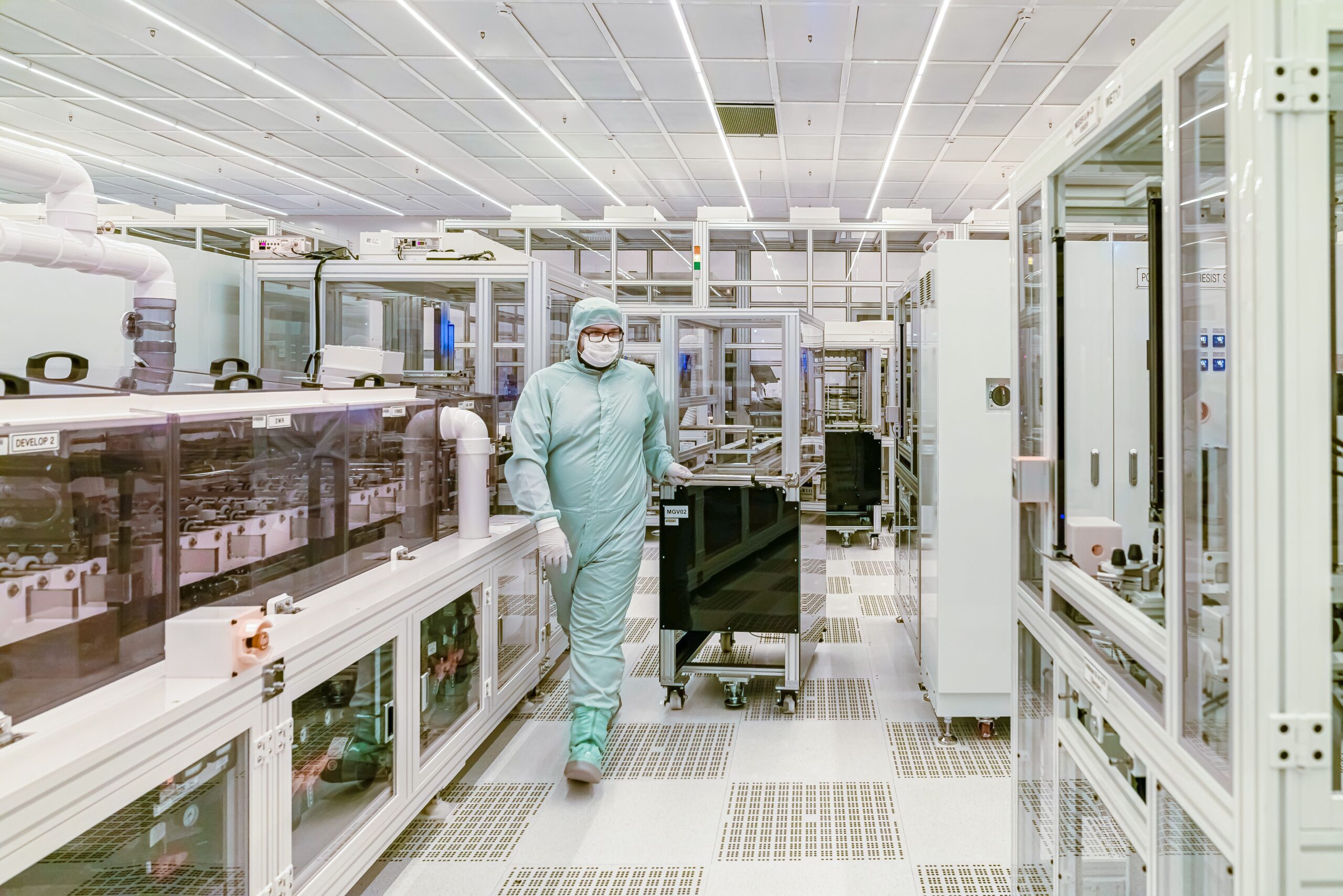
Conversion of an integrated circuit fabrication facility into a MEMS foundry involves a different manufacturing workload from the chips produced on conventional electronic device lines. MEMS devices incorporate miniature mechanical structures, often alongside electrical functions, to sense or actuate physical phenomena. Their fabrication may require combinations of material deposition, patterned etching, structural release, bonding, and specialised packaging, depending on the device design.
Existing semiconductor buildings, utilities, and cleanrooms can provide a starting point for the conversion, but MEMS production requires process transfer, equipment changes, engineering qualification, and specific testing and packaging arrangements. Those steps affect both the timetable and the eventual production mix. Silex has not said that qualified commercial MEMS wafers are already being produced at the Mountain Top facility.
Silex designs and manufactures MEMS on behalf of customers and already operates a 200mm production facility at Järfälla, near Stockholm. Its devices support applications spanning medical technology, cloud infrastructure, sensing, motion, and automotive systems. Building capacity in the United States would place manufacturing closer to a substantial portion of the company’s customer base, potentially changing the logistics and engineering coordination required during new product introduction.
Edvard Kälvesten, President and CEO of Silex Microsystems, has identified shorter lead times and closer integration with US customers as aims of the expansion. Those benefits will depend on completed process transfers and production ramp-up rather than geographic proximity alone. Engineering revisions, material availability, equipment qualification, and process consistency remain important when a customer migrates a device between production sites.
The state expects up to 150 existing full-time jobs to be retained as the transition proceeds, alongside 55 new jobs over three years. These are announced employment plans, not completed recruitment figures. The conversion and its schedule will determine when the additional manufacturing roles are required.
The funding proposal distinguishes three forms of assistance: a loan to be repaid under applicable terms, a grant, and potential tax credits. Pennsylvania has not disclosed a full financing breakdown of the $131.4 million capital investment, and the available information does not establish that all elements of the proposed support have been finally awarded or drawn down.
Additional manufacturing capacity becomes useful to MEMS customers only after processes have been qualified and shown to be reproducible. Once a device is designed around a specific foundry process, transferring it requires more than matching the wafer diameter. Process recipes, release characteristics, packaging interfaces, testing regimes, and reliability requirements must be controlled so the device performs consistently across sites.
The next stages are completing the acquisition, converting the fabrication processes, and qualifying the transferred or newly established MEMS technologies. Silex has indicated that ownership is expected to transfer around year-end 2027, so the Pennsylvania financing proposal does not establish an immediate manufacturing start or a committed output volume.