IN Brief:
- Infineon Technologies Austria coordinated a €30 million programme involving 27 partners in seven countries and 14 research demonstrators.
- A neonatal meningitis ultrasound use case reduced scan time from ten minutes to three; clinical validation is not established.
- Demonstrations also covered partial-discharge monitoring and a non-destructive inspection system 80% lighter and 50% smaller than its reference.
Infineon Technologies Austria and 26 other European partners have completed the Listen2Future acoustic sensor research programme, producing 14 demonstrators for healthcare, energy infrastructure and industrial inspection. The approximately €30 million initiative combined new piezoelectric materials, microelectromechanical systems (MEMS), electronics, packaging and signal processing. Infineon disclosed the results on 17 November, following more than three years of research across seven countries.
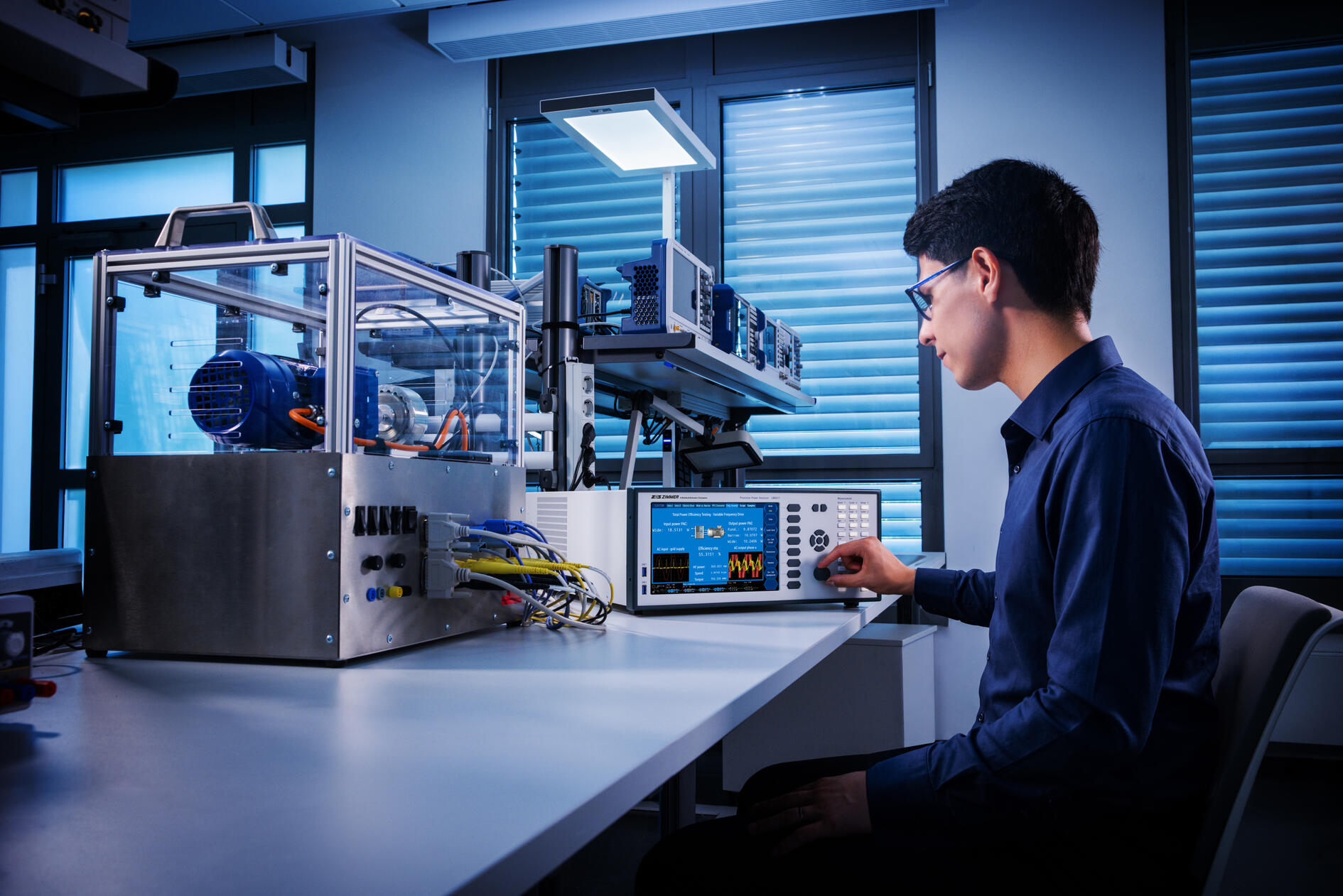
The demonstrators address the electrical and mechanical interfaces needed to build smaller acoustic measurement systems. Piezoelectric materials generate electrical signals when mechanically deformed and can move in response to an applied voltage. In an ultrasound transducer, these properties allow an acoustic pulse to be emitted and returning energy to be detected. Drive circuitry, sensitive receive electronics and signal processing determine how those signals can be acquired and interpreted within the completed assembly.
Rather than treating a transducer as an isolated component, the consortium developed integrated sensing systems. Miniaturising a piezoelectric structure brings limited benefit if the drive electronics, interconnects and packaging remain bulky or require excessive power. Listen2Future therefore investigated material behaviour, MEMS fabrication, electronic integration and AI-based analysis together, using application demonstrators to test how those elements interact.
Medical research included compact ultrasound technologies for future mobile instruments. In one neonatal meningitis detection use case, Infineon reports that the time required for a scan fell from ten minutes to three minutes. The published figure relates to that research configuration; the company has not provided clinical sensitivity, specificity or regulatory approval data establishing the performance of a diagnostic product.
Another workstream investigated acoustic devices for hearing aids and hearing systems. Infineon reports promising characteristics at high sound pressure levels but identifies further work on system integration, long-term testing and trials with users under realistic conditions. Those evaluations will need to account for the transducer, electronics, enclosure and operating environment together, rather than relying on a laboratory response from the sensing element alone.
In electrical infrastructure, Listen2Future developed acoustic sensing and AI-based analysis intended to detect partial discharges. A partial discharge is a localised electrical event associated with stressed insulation; acoustic activity from such events can provide evidence of deterioration. Demonstrators examined how the signals could be detected and located in power lines, substations and transformer stations, where earlier identification could help maintenance teams investigate a developing fault.
The consortium reports successful project tests, although it does not provide evidence of sustained operation across a utility network or quantified reductions in outages. Acoustic monitoring in a substation or transformer is affected by background machinery noise, the position of the sensor and the transmission of sound through equipment. Signal processing must distinguish discharge signatures from other events if a research result is to be translated into reliable condition monitoring.
Industrial inspection formed a separate application area. Compact piezoelectric micromachined ultrasound transducers were evaluated for contactless, non-destructive testing of components and materials. One resulting test system was 80% lighter and 50% smaller than the reference solution used for comparison, according to Infineon. The figures relate to a particular demonstrator and benchmark, rather than a specification applying to all ultrasound inspection methods.
Smaller inspection hardware offers potential for integration into mobile testing equipment or automated production systems. Defect detection still depends on the acoustic measurement geometry, signal quality and characteristics of the material under examination, including thickness and surface condition. Translating the demonstrated size reduction into a production inspection process would require repeatability tests against the defects and acceptance criteria relevant to that process.
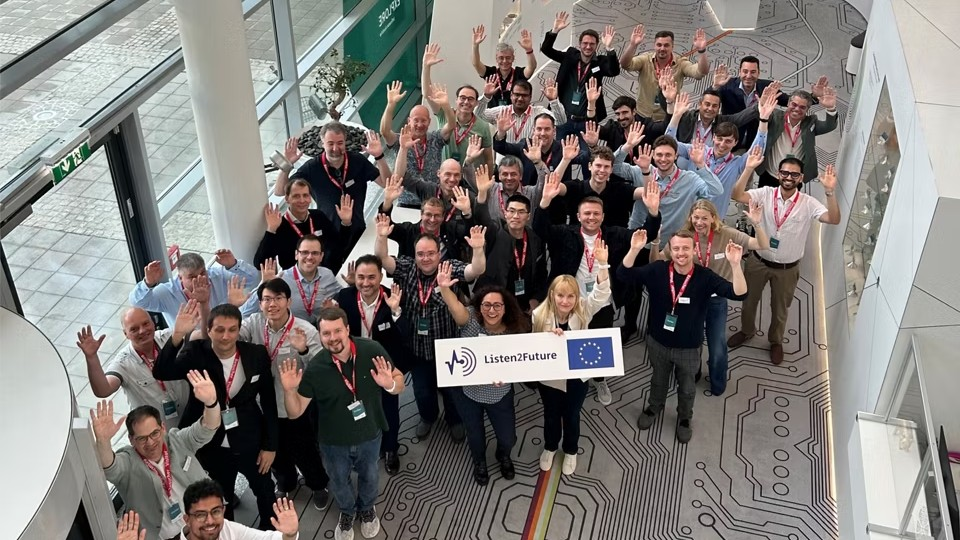
The programme produced 77 scientific publications, including 49 open-access papers, and presented its findings at 67 conferences, workshops and specialist events. The 27 partners included manufacturers, research institutes and universities in Austria, Belgium, the Czech Republic, Germany, the Netherlands, Norway and Spain. Funding came from the European Union and participating national authorities under Chips Joint Undertaking grant agreement 101096884.
The participating organisations have prepared patents, technology roadmaps and individual plans to exploit their findings. Infineon has not announced a shared production schedule for the 14 demonstrators. Medical devices still require further evaluation and user trials, while industrial inspection and grid-monitoring systems must be tested against the conditions of their intended installations. The completed programme establishes working research demonstrators and technical results for those subsequent development stages.