IN Brief:
- Bosch has begun supplying third-generation SiC power chip samples to global automakers.
- The devices are designed to improve EV drive electronics efficiency, thermal performance, and package density.
- Wider SiC adoption is pushing power semiconductor suppliers towards higher-volume automotive production models.
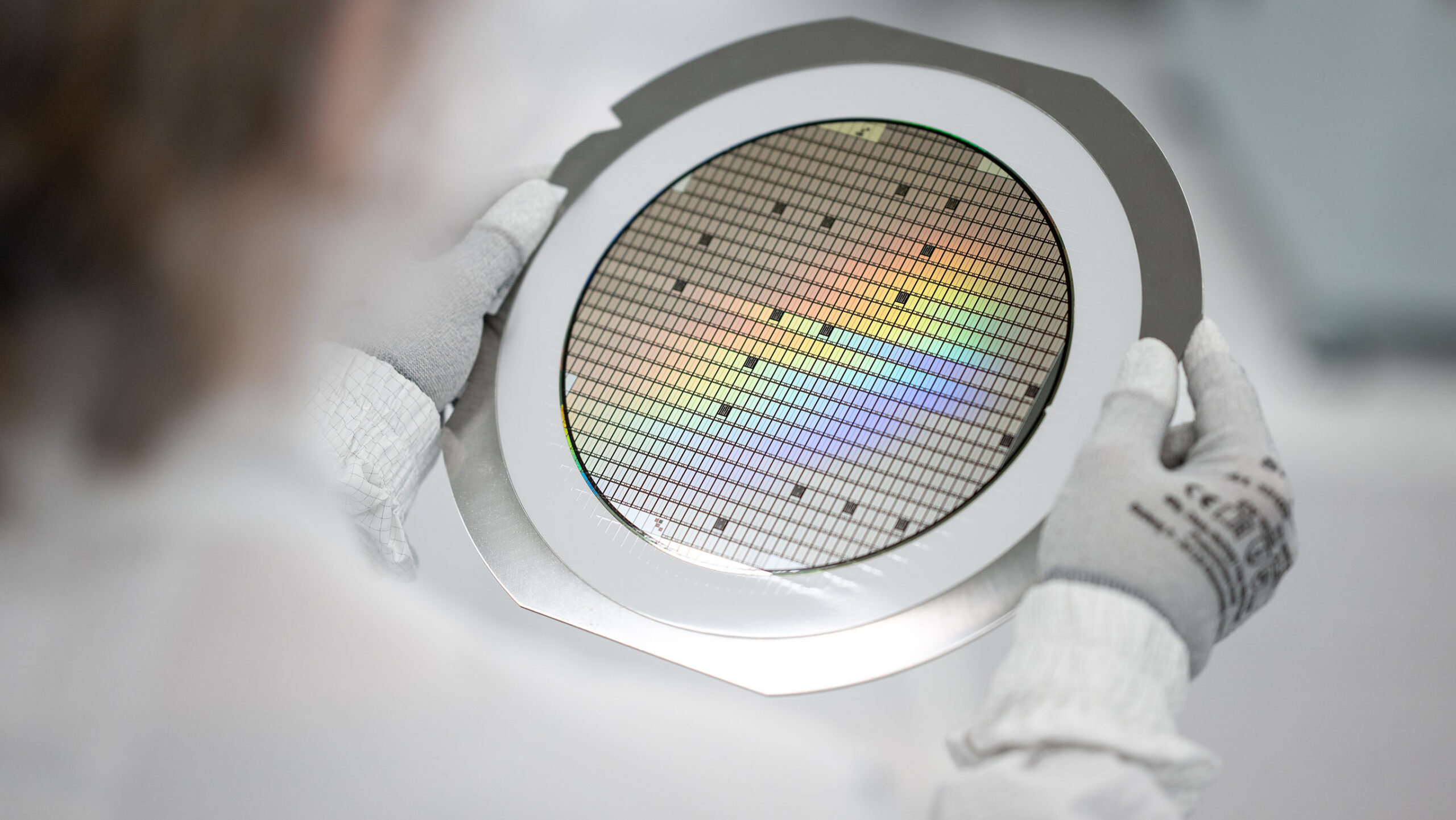
Bosch has started introducing its third generation of silicon carbide power chips, with samples now being supplied to global automakers for future electric vehicle drive electronics.
The new SiC generation is designed to improve performance by around 20% compared with the previous Bosch generation while reducing chip size. The company is targeting higher drive electronics efficiency, lower losses, and improved power density — three measures that directly affect inverter design, cooling demand, and vehicle energy use.
Silicon carbide devices switch faster and more efficiently than conventional silicon semiconductors, making them increasingly important in traction inverters, onboard charging, DC-DC conversion, and other high-voltage vehicle systems. In EV drive electronics, reduced switching and conduction losses can support longer range, smaller cooling systems, or higher continuous power within the same thermal envelope.
Bosch began SiC production in 2021 and has now delivered more than 60 million SiC chips worldwide. The latest generation builds on that production base as the company expands its semiconductor manufacturing network, including its Reutlingen facility in Germany and its US site in Roseville, California.
Automotive power electronics has moved beyond early SiC adoption and into a more demanding phase of platform qualification. Device efficiency remains central, but automakers and Tier 1 suppliers are also scrutinising yield, wafer availability, package ruggedness, gate-drive behaviour, short-circuit performance, and lifetime reliability under high-voltage vehicle duty cycles.
A smaller die can improve cost per device and support denser modules, provided process maturity and thermal handling keep pace. That places pressure on suppliers to balance electrical performance with manufacturability, as vehicle programmes increasingly require regional supply options, long qualification windows, and stable product availability across multi-year production runs.
The competitive landscape is also tightening. Infineon, STMicroelectronics, Wolfspeed, onsemi, Rohm, and several Chinese suppliers are expanding SiC portfolios or capacity. Selection is moving beyond headline voltage ratings and on-resistance into package parasitics, switching characteristics, body diode behaviour, robustness under fault conditions, and the ability to support complete inverter programmes rather than isolated device slots.
SiC is now being designed into vehicle electronics at a point where cost discipline is becoming as important as efficiency. Premium EV platforms helped establish the technology, but higher-volume adoption depends on reducing system cost while maintaining the performance advantage that justified the shift away from silicon. Bosch’s third-generation chips add another European and US manufacturing route into that widening automotive SiC supply base.