IN Brief:
- FiberSense has completed the first sensor fibre filling on a new automated line in Großostheim.
- The process supports manufacture of the optical sensing element used in its CE marked 28-day glucose monitor.
- Automation is intended to improve reproducibility and establish a production base for further sensing applications.
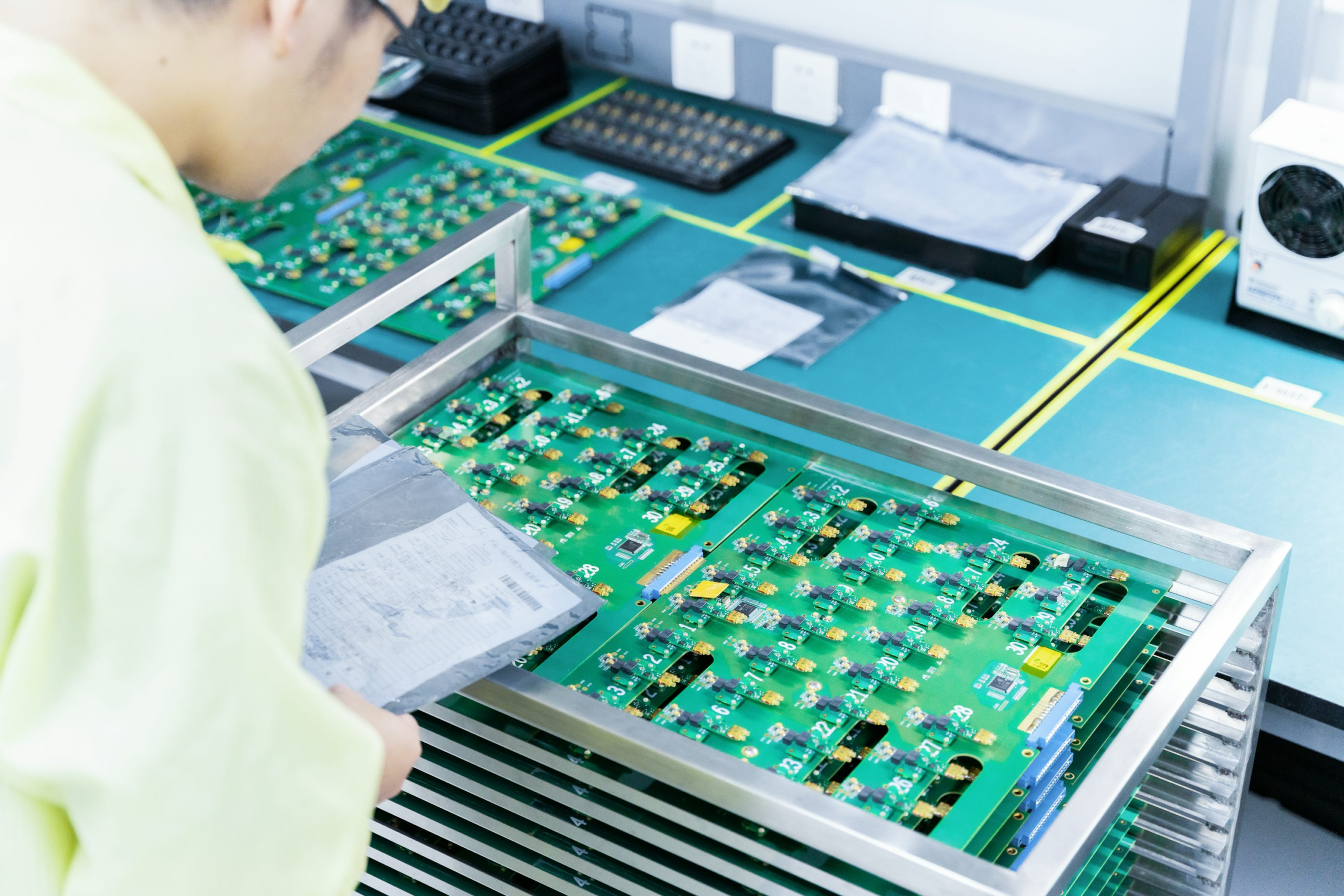
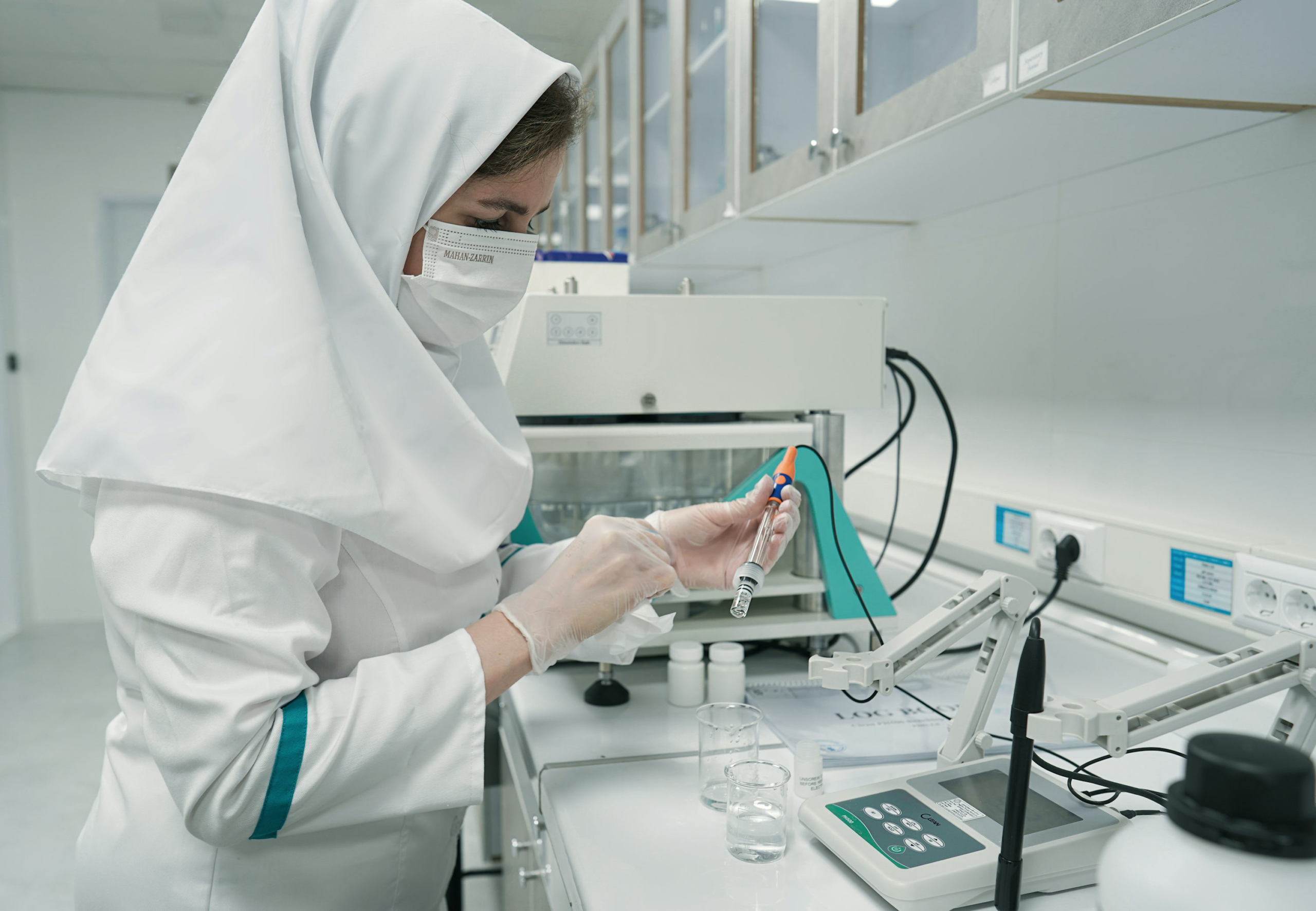
FiberSense has completed the first automated filling of sensor fibres on a new production line in Großostheim, Germany, moving a critical manufacturing stage for its optical biosensors towards repeatable series production.
The equipment automates the filling process used to manufacture the company’s microscopic sensing fibres. FiberSense says the line is intended to improve reproducibility and scalability as it prepares its continuous glucose monitoring system for commercial launch and develops additional sensing applications using the same optical platform.
The immediate product is the FiberSense CGM System, a CE marked Class IIb medical device intended for continuous glucose monitoring in adults with diabetes. The system combines an optical sensor fibre inserted into subcutaneous tissue with a reusable detector and smartphone application, with the disposable sensor designed for wear periods of up to 28 days.
That construction gives manufacturing consistency unusual importance. Unlike an electrochemical glucose sensor in which the electrode structure forms the core sensing element, FiberSense uses a glucose-responsive optical fibre whose characteristics have to remain predictable from batch to batch. Variation introduced during filling or subsequent processing can influence the optical response seen by the reusable detector.
The manufacturing step therefore sits directly inside the measurement chain. Material formulation, fibre geometry, filling volume, handling, optical properties, calibration, detector behaviour, firmware, and application processing all have to work together if the complete system is to produce repeatable readings over an extended wear period.
The new line is a production milestone rather than a fresh regulatory approval. FiberSense obtained CE marking for the glucose monitoring system earlier this year and has since been preparing manufacturing, logistics, support, and market access activities. The company has identified the first quarter of 2027 as its planned commercial launch period.
For the electronics architecture, one notable feature is the separation between the disposable sensing element and reusable detector. The optical fibre is replaced after its wear period, while the electronic detector is retained and communicates measurement data wirelessly to the accompanying application. That reduces the amount of electronics discarded with every sensor change, but increases the importance of a stable optical and mechanical interface between disposable and reusable parts.
FiberSense says its glucose system has been evaluated across more than 18,000 paired data points, 2,700 wearing days, and 100 patients. Those figures describe product evaluation rather than manufacturing performance. Series production introduces a different set of measurements, including process capability, batch consistency, inspection yield, traceability, and the relationship between manufacturing variation and sensor calibration.
Automating the fibre filling process should therefore be judged on repeatability rather than speed alone. Medical device production requires validated equipment, controlled materials, recorded process parameters, inspection, and defined acceptance limits. Higher throughput is useful only if the automated line also reduces variation and produces fibres that remain inside the performance envelope established during development.
The company is also investigating additional analytes using its optical sensing approach, including ketones, lactate, and cortisol. Those programmes are separate from the approved intended use of the glucose monitor and will require their own technical and regulatory evidence, but they increase the importance of establishing a manufacturing platform that can be adapted without rebuilding the entire production process for each sensor chemistry.
Keeping the filling technology within the German operation also gives engineering teams direct access to manufacturing data as the product matures. Optical biosensors combine materials science, micro-scale handling, electronics, software, and calibration, making production feedback useful when tolerances or failure modes have to be traced back through the complete system.
The next manufacturing milestones will be sustained qualified output rather than a first automated production run. Yield, lot-to-lot consistency, inspection performance, and the pace of commercial ramp-up will show whether the new line has removed a meaningful production constraint ahead of the planned launch.
The first filled fibres mark the point where the sensing technology has to behave less like a development platform and more like a controlled manufactured component. For FiberSense, repeatability across thousands of sensors will matter more than the novelty of producing the first one automatically.