IN Brief:
- ECHO combines a 10K imaging sensor, onboard processing, and edge AI for UAV-based surveillance.
- The system is designed to process imagery on the aircraft, reducing reliance on high-bandwidth downlinks.
- Wide-area autonomous sensing is becoming central to defence, emergency response, and infrastructure monitoring.
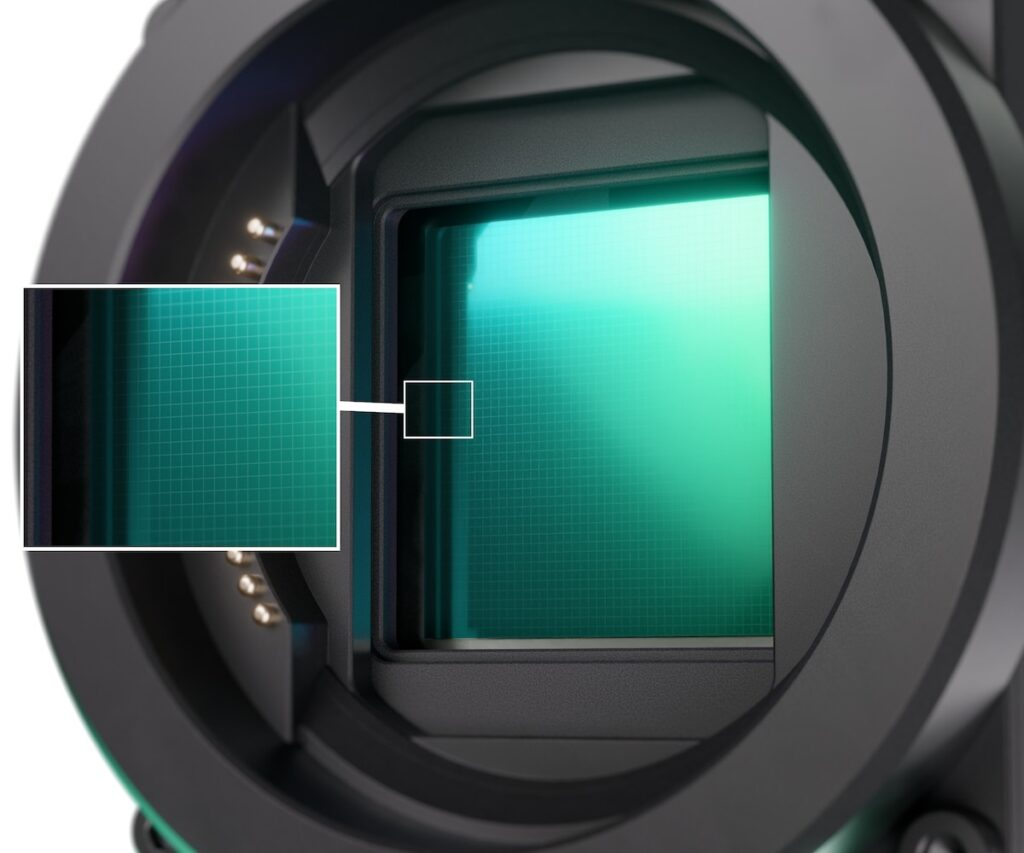
Sapient Perception has launched ECHO, a 10K sensor and AI platform developed for unmanned aerial vehicles operating in defence, security, emergency response, and high-altitude surveillance applications.
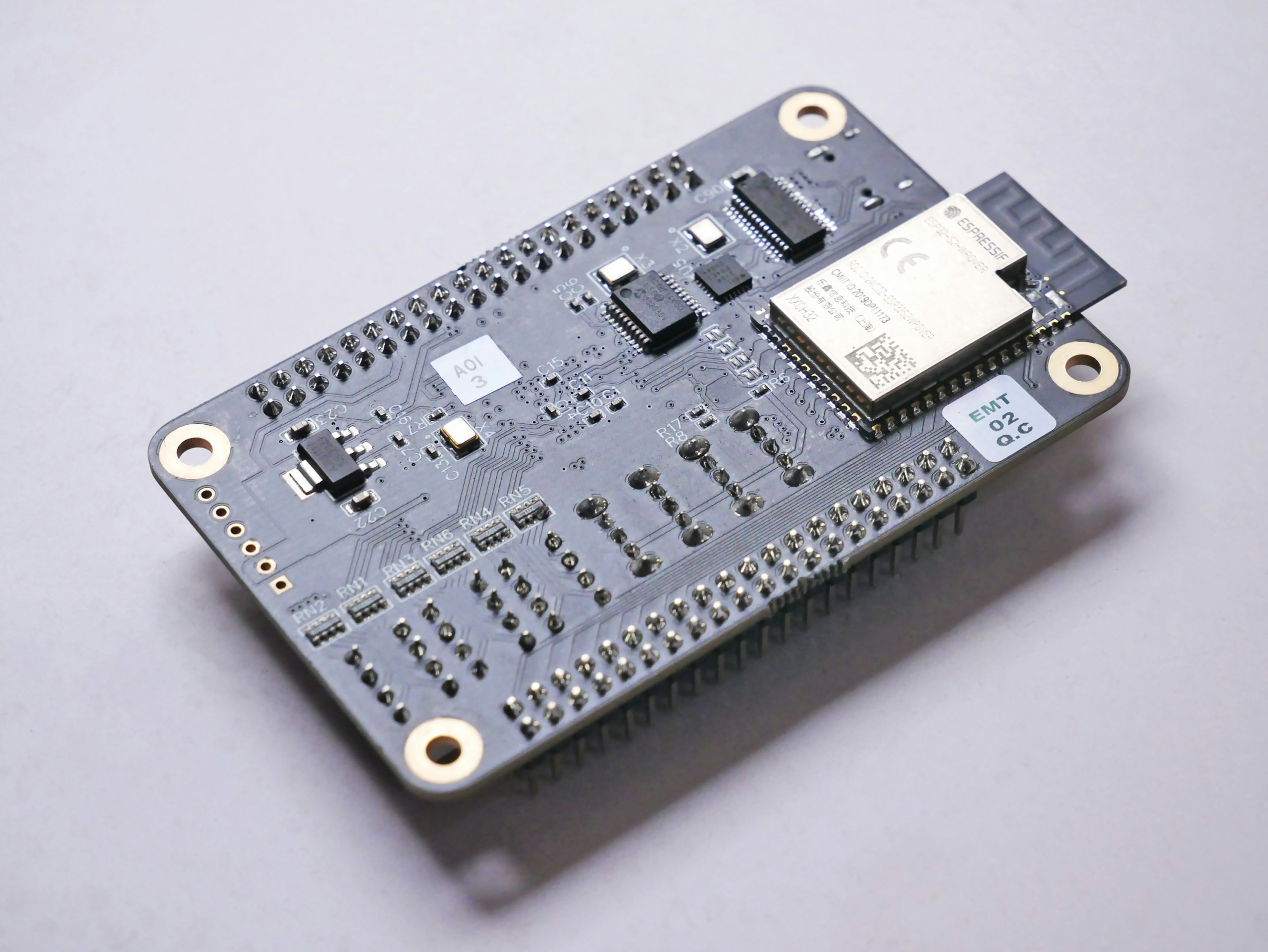
The system combines the ECHO 10K sensing front end, the FORGE onboard processing module, and IGNITE, an edge AI framework designed to run directly on the aircraft. The architecture is intended to give UAV operators wide-area perception while preserving the image detail needed for identification, tracking, and decision support.
Airborne imaging payloads often require a compromise between broad situational awareness and high-resolution inspection. A narrow field of view can support detailed analysis but leaves wider areas unobserved, while a wider scene can lose the detail needed for confident interpretation. ECHO is designed to close that gap by capturing a broader field at high resolution and processing the resulting data onboard.
The FORGE module processes 10K imagery at the edge, reducing the need to transmit large volumes of raw image data to a ground station. Instead, the system can deliver geolocated detections and structured outputs to operators and command systems in real time. IGNITE is model-agnostic, allowing operators to deploy approved AI models while retaining control over sensitive detection and classification functions.
The platform is aimed at use cases including mine clearing, convoy protection, border security, disaster response, and persistent ISR. Sapient Perception has also identified high-altitude and stratospheric surveillance as target applications, where bandwidth is constrained and each imaging pass may cover a large operating area.
UAV payload design is moving away from cameras as passive collection devices and towards sensor-processing systems that reduce the amount of data leaving the aircraft. Longer-endurance missions, larger operating areas, and higher autonomy all increase the value of processing close to the point of capture. In defence and emergency response, the operational burden is no longer only image collection, but the conversion of imagery into usable information fast enough to guide decisions.
That creates a demanding integration problem. High-resolution sensing brings pressure on power consumption, thermal design, storage, stabilisation, compute load, security, and payload weight. Those constraints become harder to manage as UAVs move into smaller platforms or longer missions where every gram and watt has to be justified. A combined sensing, compute, and AI architecture reduces some of that system-level burden by treating perception as a payload function rather than an afterthought.
Persistent autonomous sensing is becoming a key requirement across military and civil deployments. Defence users need wider coverage with reduced operator load, while emergency services and infrastructure operators need fast, actionable information over large or difficult terrain. ECHO places the most valuable processing stage on the aircraft, where the raw data is created and where latency, bandwidth, and autonomy are most tightly linked.
The system is NDAA-compliant and ITAR-free, supporting deployment across allied government and security programmes. As UAV payloads become more closely tied to defence procurement and critical infrastructure resilience, supply-chain status and export constraints are becoming part of the engineering decision, not merely a procurement detail.