IN Brief:
- S-Transistors has raised €2.6 million in pre-seed funding led by Lifeline Ventures.
- The VTT spinout is developing superconducting-transistor integrated circuits intended to reduce cryogenic control power and wiring.
- Its first multiplexer is planned for early customers within the company's first year, ahead of a broader quantum-motherboard platform.
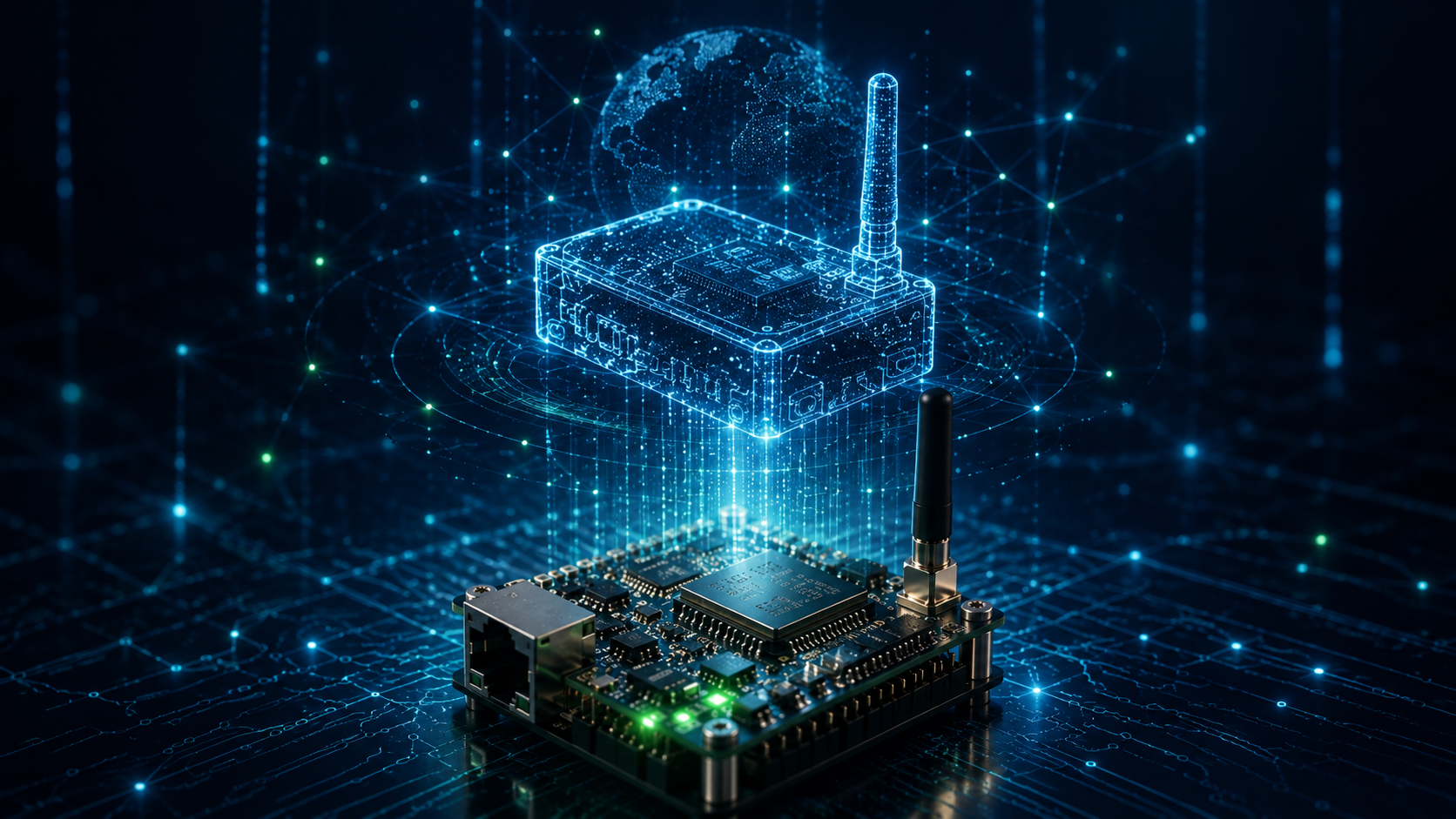
S-Transistors has raised €2.6 million in pre-seed funding to develop integrated circuits based on superconducting transistors, with the Finnish startup initially targeting the control and signal-routing problems that accompany larger cryogenic quantum computers.
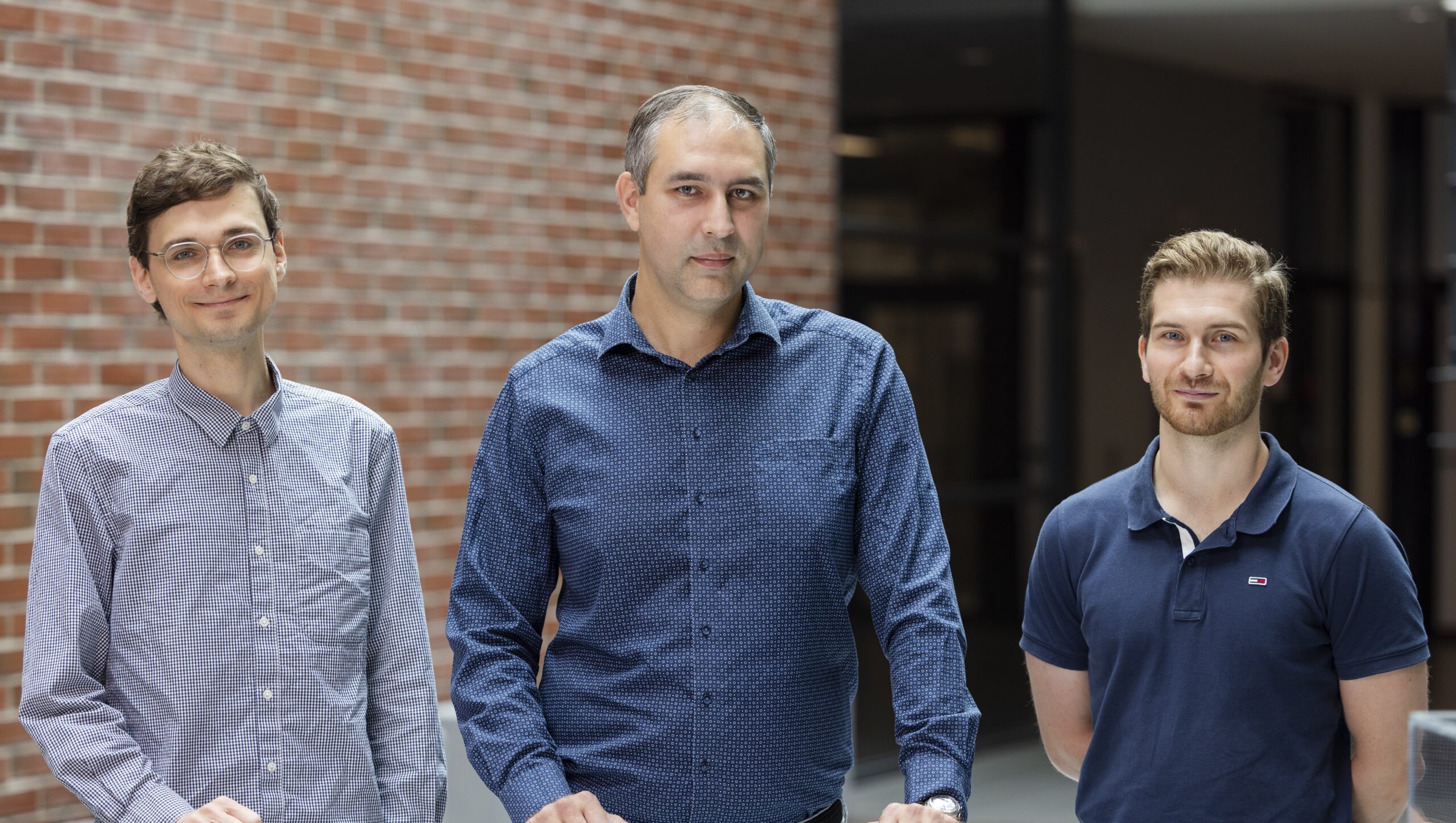
The company has been spun out of VTT Technical Research Centre of Finland, where the underlying device technology was developed to wafer scale. Lifeline Ventures led the funding round alongside an angel investor, giving S-Transistors capital to develop cryogenic signal-control prototypes, establish its own low-temperature laboratory, create a pilot manufacturing line, and expand its engineering team.
Its first planned product is a superconducting-transistor multiplexer designed to fit into existing cryogenic systems. S-Transistors expects to ship the device to early customers and strategic partners during its first year of operation, using it as an intermediate commercial step before attempting the considerably more ambitious quantum-motherboard architecture around which the company has been formed.
The control-electronics problem becomes increasingly awkward as superconducting quantum processors grow. The qubits must operate at millikelvin temperatures, while much of the conventional signal generation, switching, and readout electronics remains outside the cryostat at room temperature. That creates long cable runs between temperature stages, with wiring count, heat conduction, connector density, signal integrity, and physical space all becoming progressively harder constraints.
Moving more classical control hardware into the cryogenic environment can shorten those paths, but conventional electronics introduces another problem: power dissipation. The cooling capacity available at the lowest temperature stages of a dilution refrigerator is limited, so every active device placed near the quantum processor consumes part of a small thermal budget. A control architecture capable of driving large numbers of qubits therefore has to balance switching performance against heat generation rather more carefully than an ordinary room-temperature digital system.
S-Transistors is attempting to address that balance by combining transistor-like circuit functions with superconducting operation. The company says its devices are designed for high-speed operation with very low dissipation and can be integrated into circuits that work alongside superconducting quantum hardware inside the cryogenic environment.
The distinction is important because putting an ordinary silicon device into a refrigerator does not automatically make it an efficient cryogenic controller. Some CMOS technologies remain functional at very low temperatures, but device characteristics change and dense control circuitry can still produce more heat than the cold stage can tolerate. Practical quantum-system scaling therefore depends on the behaviour of an entire control stack, including multiplexing, routing, amplification, conversion, cabling, and thermal anchoring.
Recent modular cryogenic work has already exposed the mechanical and wiring pressure created by larger superconducting quantum systems. IBM, for example, has demonstrated connected cryogenic modules with substantially more internal wiring space, addressing the infrastructure surrounding quantum processors rather than changing the qubit itself.
S-Transistors is approaching the same scaling problem from further down the electronics chain. Its proposed multiplexer would allow several cryogenic signals to be controlled through a smaller number of lines, potentially reducing cable count before the company attempts more complex integrated control functions. The eventual quantum-motherboard concept envisages classical control electronics operating at millikelvin temperatures in much closer proximity to the quantum processing unit.
That roadmap remains at an early commercial stage. S-Transistors has not disclosed production volumes, detailed electrical specifications, process-node information, or a customer list for the first multiplexer, and the leap from wafer-scale device fabrication to repeatable integrated-circuit manufacture will require process control, packaging, testing, and low-temperature qualification alongside circuit design.
The pilot line is consequently as important as the transistor itself. Superconducting devices that perform well in isolated laboratory structures still need reproducible fabrication across a wafer, controlled device variation, dependable interconnects, and a packaging route that survives repeated thermal cycling between ambient and cryogenic temperatures.
S-Transistors also identifies possible longer-term applications in classical high-performance computing, artificial intelligence hardware, spacecraft electronics, sensing, and particle detectors, although quantum control is its immediate commercial focus. The next measurable steps are considerably nearer: establishing the cryogenic laboratory, commissioning pilot manufacturing, and putting the first multiplexers into customer systems where device performance can be judged against the wiring and thermal constraints they are intended to remove.