IN Brief:
- Inission Løkken and Inission Halden will become one Norwegian legal entity from 1 October.
- Both automated production sites will remain operational under the combined Inission Norway organisation.
- The merger is intended to increase resource sharing and give customers greater scope for domestic dual sourcing.
Inission will merge its Løkken and Halden electronics manufacturing businesses into a single Norwegian legal entity on 1 October, while keeping both factories open and using the combined organisation to increase resource sharing and domestic dual sourcing.
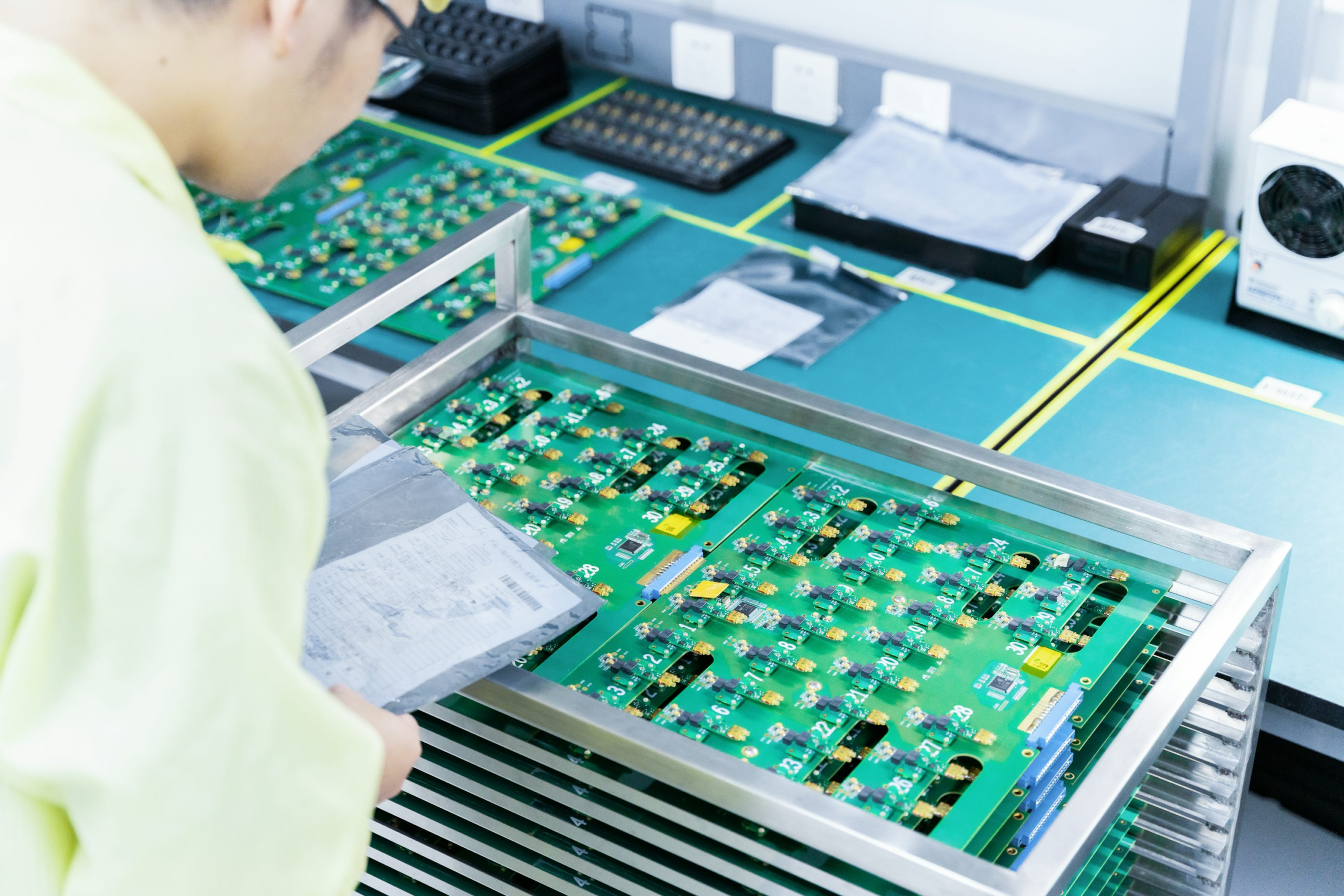
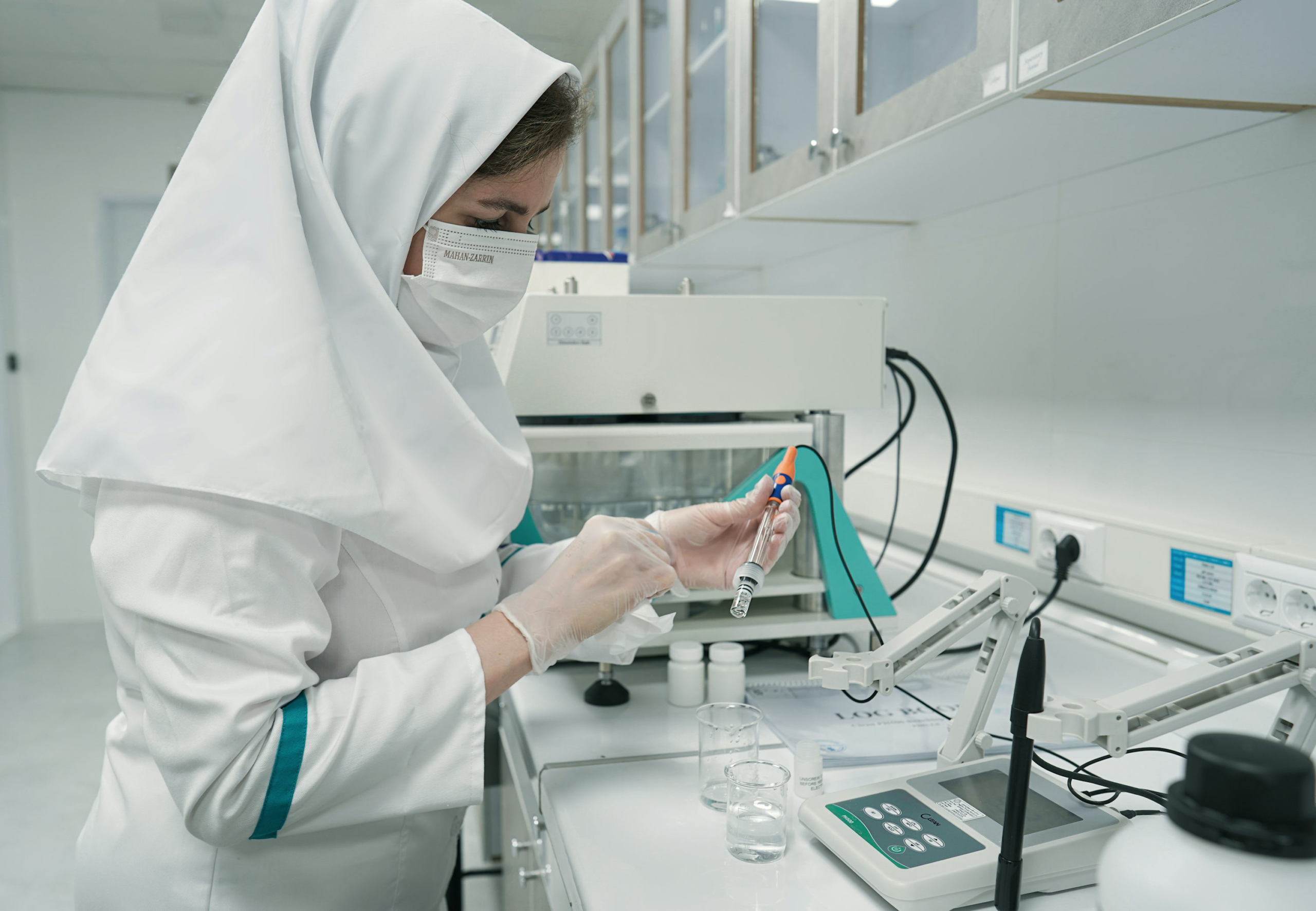
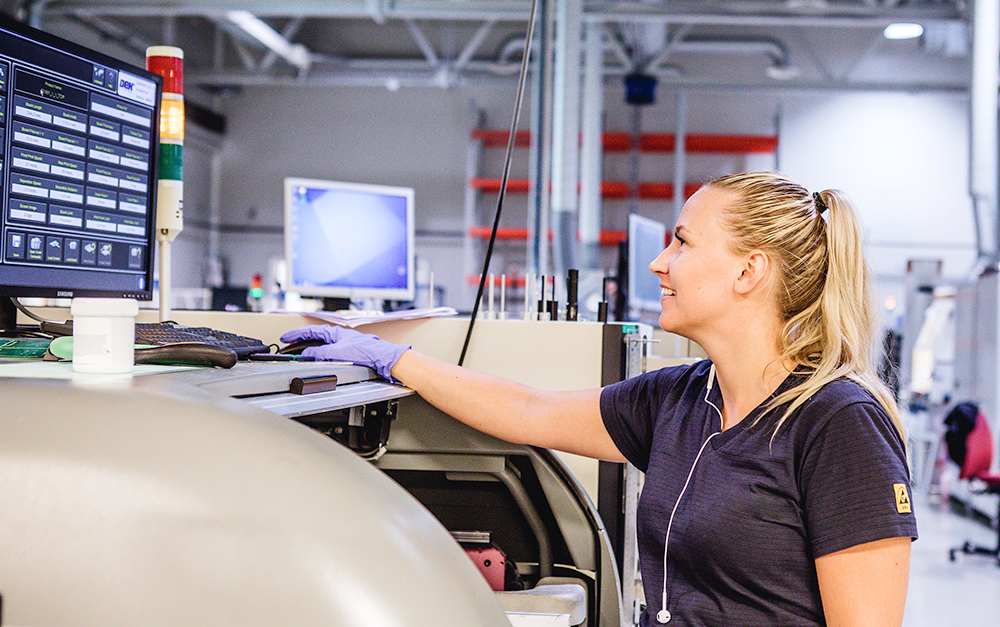
The two production sites will continue operating in Løkken and Halden under the Inission Norway organisation. Inission describes both as modern, automated manufacturing facilities with complementary capacity and expertise, making the change an organisational consolidation rather than a site closure or physical relocation of production.
Inission provides electronics manufacturing services covering development, design, industrialisation, volume production, and aftermarket support. Its Norwegian operations therefore span more than printed circuit board assembly, with the company positioning itself as a lifecycle manufacturing partner for industrial electronics and electromechanical products.
The merger is intended to make it easier to share production resources between the two sites and offer Norwegian customers a stronger domestic dual sourcing option. That can be valuable in industrial electronics programmes where qualification, continuity of supply, traceability, and lead time can carry as much weight as unit manufacturing cost.
Dual sourcing within one manufacturing organisation is not automatic redundancy. A second factory only becomes a practical alternative if tooling, process controls, test methods, material approvals, software configurations, and quality records can be reproduced to the level required by the customer. Bringing two sites under one legal and operational structure should make that coordination easier, but duplicate capability still has to be engineered and maintained.
The Halden operation joined Inission through the acquisition of AXXE and was renamed Inission Halden earlier this year. The site serves customers in areas including offshore, defence, communications, IoT, and industrial electronics. Løkken has also undergone previous production investment, including increased automation and changes to factory flow.
The combined organisation gives Inission an opportunity to standardise more of that manufacturing infrastructure while retaining specialist capabilities at each location. Common purchasing, engineering support, production planning, and quality systems can increase flexibility during demand peaks or component shortages, provided product configuration remains tightly controlled when work moves between factories.
Norwegian electronics manufacturing has also attracted recent capacity investment from other suppliers. Kitron has added a 7,500m² manufacturing plant at Longum to support growing defence and aerospace demand. Inission’s change is different because it reorganises existing factories rather than adding a new one, but both developments increase the emphasis on flexible local production capacity.
The domestic sourcing point is particularly relevant for customers operating in regulated or high reliability sectors. Moving production across national borders can introduce additional logistics, documentation, export control, or customer approval work. Keeping two qualified production routes inside Norway can reduce some of that complexity where both sites have the appropriate equipment and process approvals.
Inission reported group revenue of SEK2.2 billion for 2025 and an average workforce of 1,240 people, with operations across Sweden, Norway, Finland, Estonia, Lithuania, Italy, the US, and Tunisia. The group also operates a separate power electronics business alongside its electronics manufacturing activities.
No production transfer, site closure, or headcount reduction has been announced as part of the Norwegian merger. The first evidence of whether the reorganisation has changed manufacturing capability will therefore come from operational measures: how readily programmes can use both factories, whether capacity can be shifted during disruption, and whether customers gain a genuinely interchangeable second production route.
The legal merger removes one organisational boundary between Løkken and Halden. The harder manufacturing task is making sure products, test results, traceability, and quality remain consistent when production crosses the physical boundary between the two factories.