
Category: Embedded systems
-
Silicon Labs has expanded software tools for embedded AI development. Its Simplicity AI SDK is in public beta, with Databricks integration available and Hardware Intent verification planned for 2027.
-
Tenstorrent and Vayavya have expanded virtual models for chip development. Their SystemC platforms reproduce security, boot and system management functions, allowing software and validation teams to test hardware interactions before physical silicon becomes available.
-
RaiderChip reports support for over fifty generative models across architectures. The Spanish semiconductor developer has added dense and mixture-of-experts Qwen models using firmware scheduling and dedicated transformer acceleration hardware without redesigning its NPU.
-
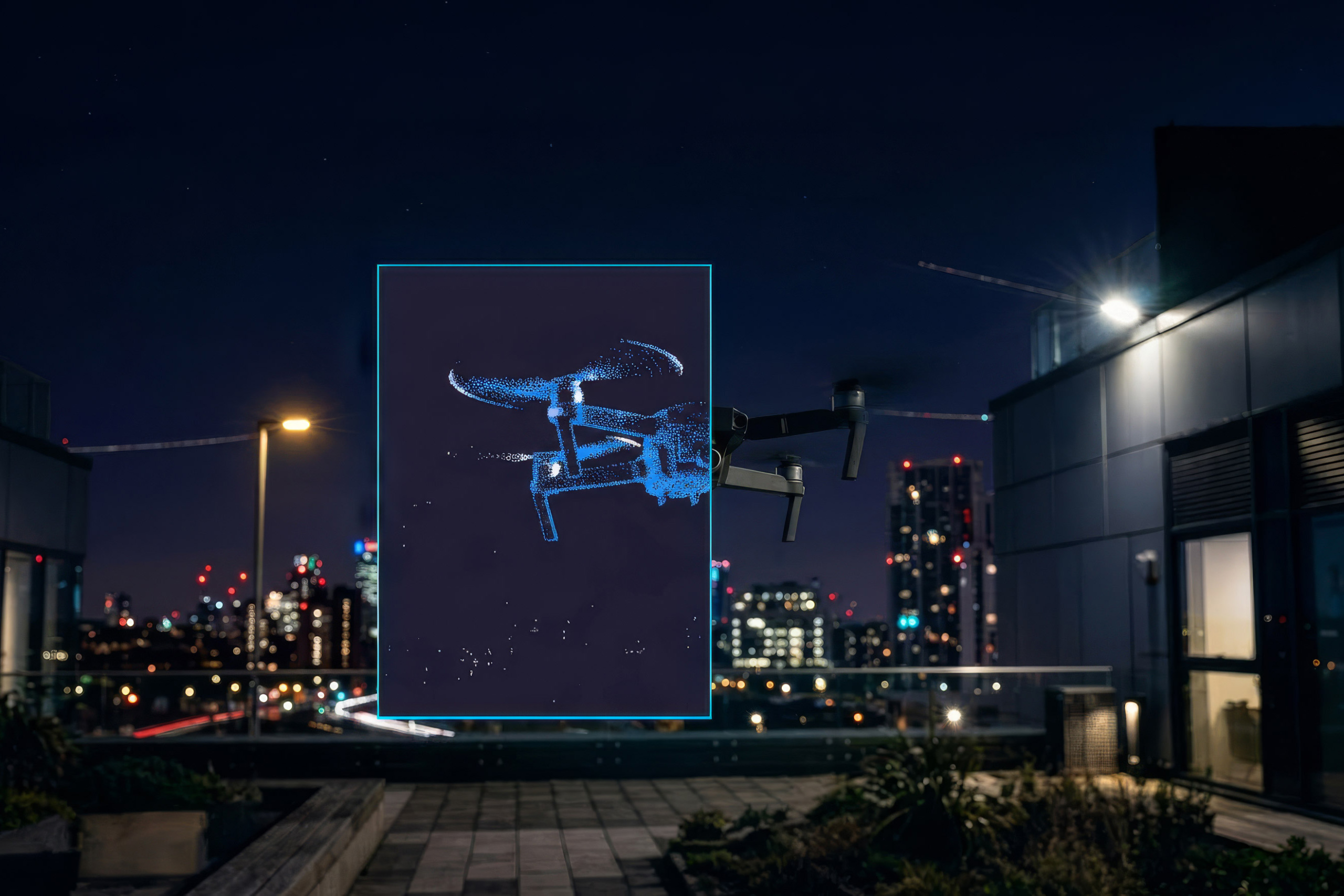
Palladyne, Federal and Mossberg are developing autonomous airborne counter-UAS interceptors. SwarmShot combines avionics, collaborative autonomy, fire control and an airborne weapon module.
-
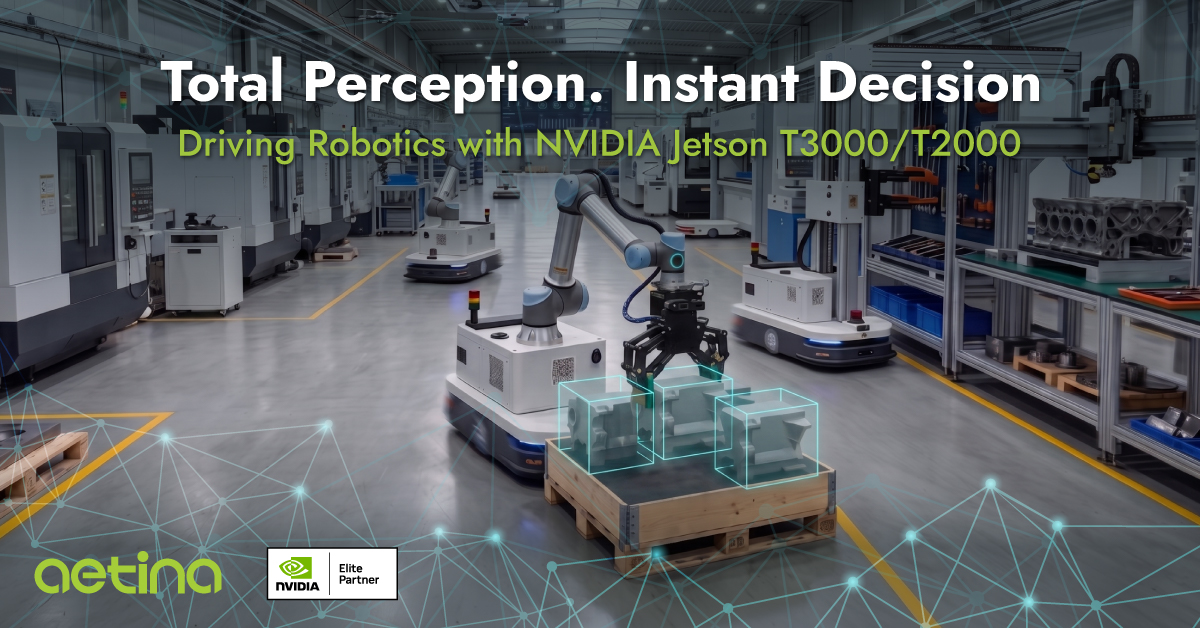
AVerMedia and Stereolabs aligned production vision software across Jetson platforms. JetPack 7.2 support covers ZED X cameras, carrier boards, drivers and reproducible software packages.
-
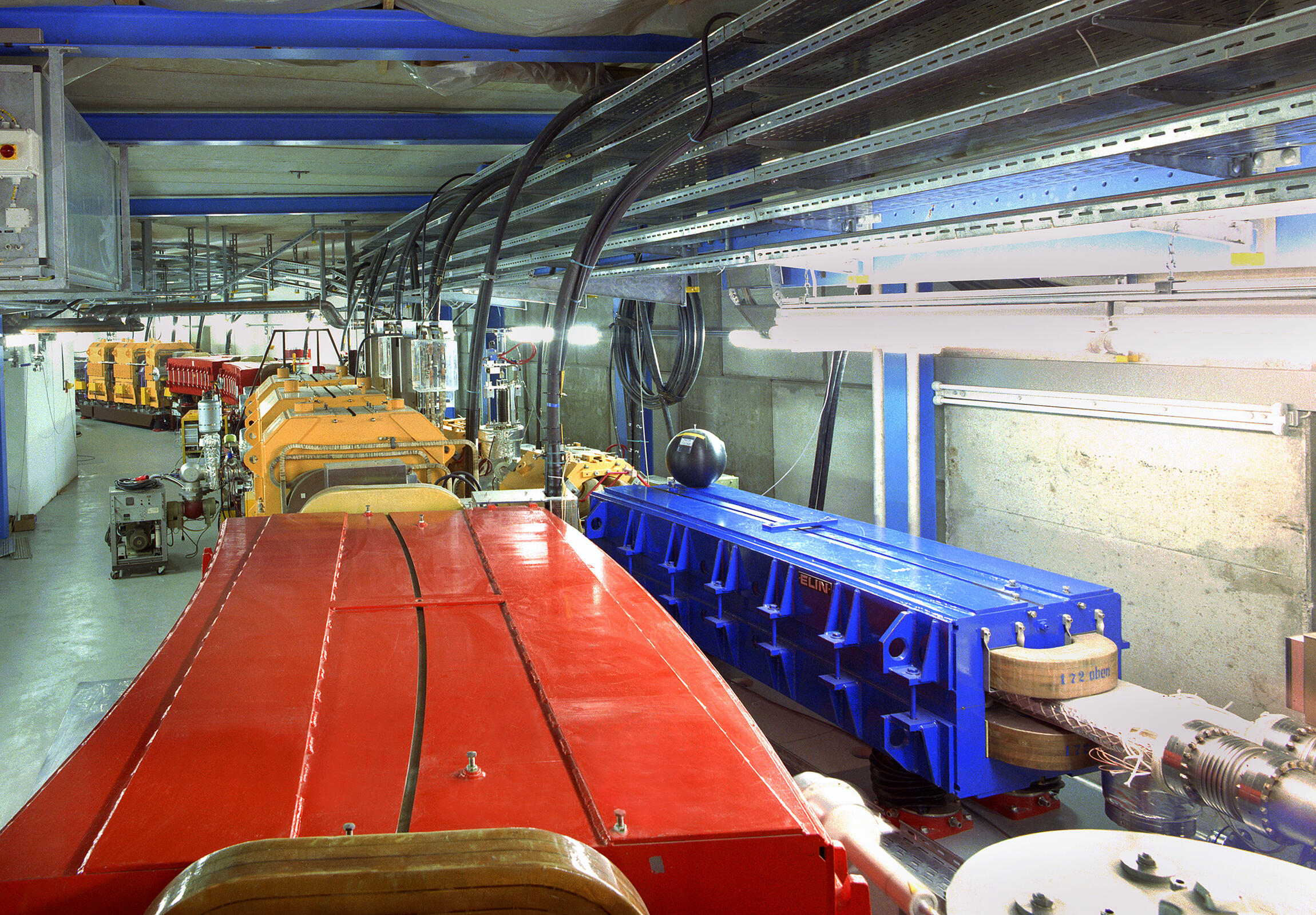
Teledyne runs neural inference directly beside 10 GSPS digitisation hardware. A convolutional network identifies overlapping particle events with deterministic 300 ns inference latency.
-

Nuvoton and AMI bring commercial OpenBMC support onto Arbel hardware. MegaRAC OneTree combines standard management protocols with hardware rooted security on the NPCM8XX BMC platform.
-
Infineon has launched CYT4EN for richer automotive display graphics platforms. External LPDDR4 memory gives the MCU Full HD, dual-display and 3D rendering capability without requiring a conventional cockpit SoC.
-
Q3 2026 pushed established electronics constraints deeper into production systems. HBM4, silicon photonics, 800VDC, agentic EDA and CRA reporting all gained firmer operational footing.
-
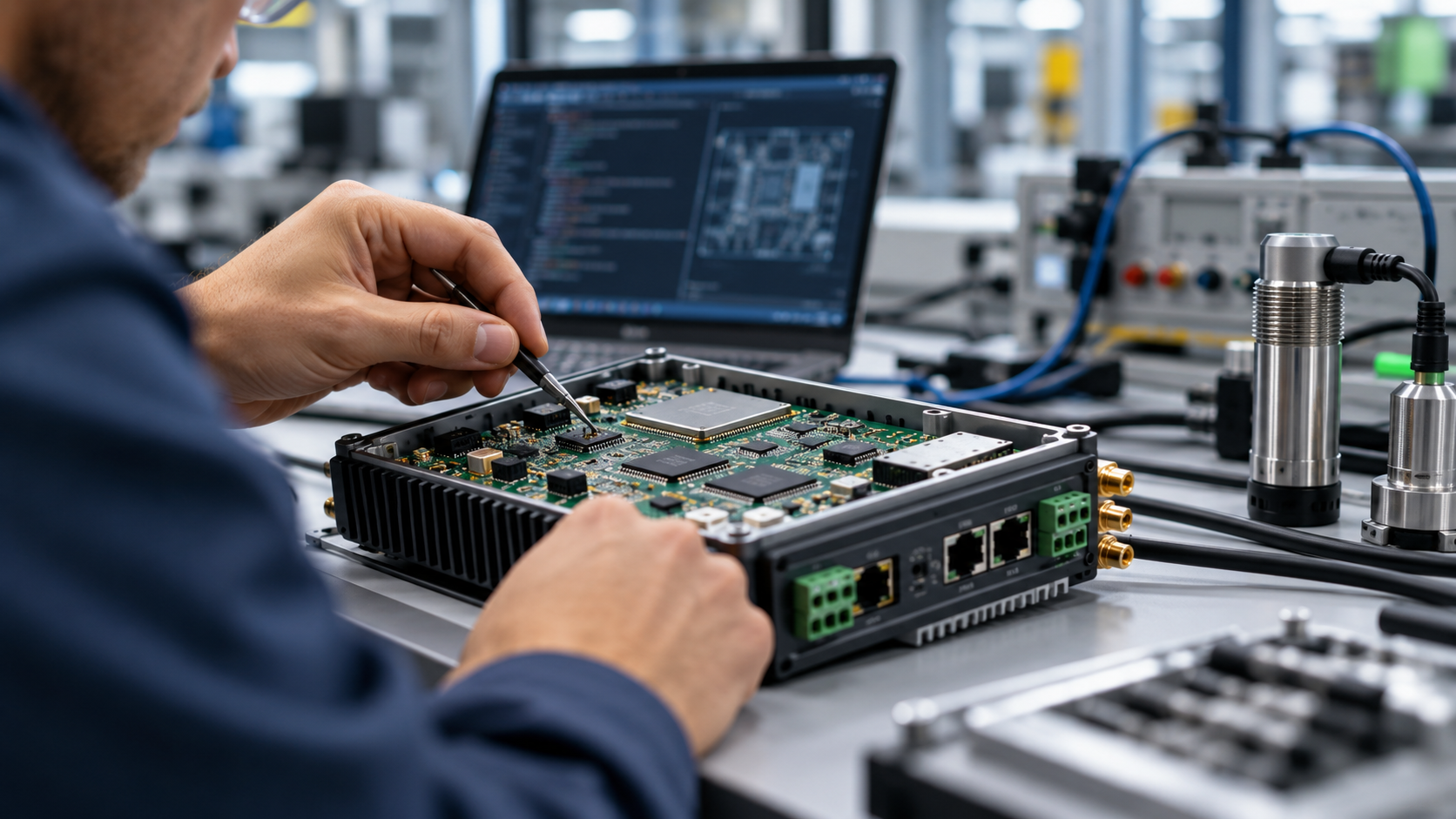
IoT security must now begin before connected devices reach deployment. Syed Zaeem Hosain, Co-Founder and Chief Evangelist at Aeris, explains why hardware-rooted trust, secure provisioning, and lifecycle protection are becoming engineering requirements.