IN Brief:
- UnternehmerTUM, Infineon, Microsoft and NVIDIA launched a Physical AI accelerator.
- The equity-free programme is planned for January–April 2027.
- Hardware engineering and startup scaling support are separate from proof of commercial deployment.
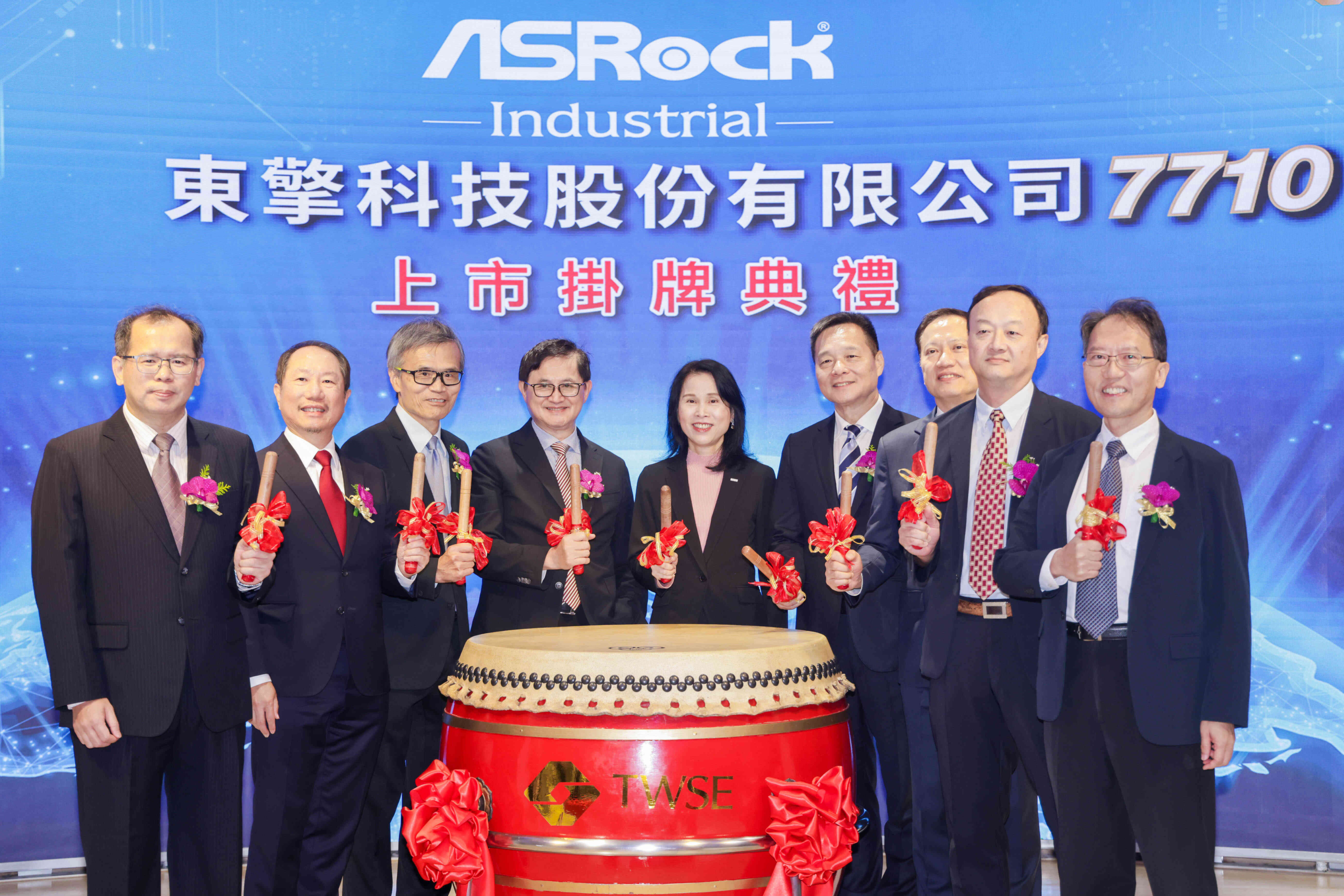
UnternehmerTUM Accelerator, Infineon, Microsoft and NVIDIA have launched the Physical AI Growth Lab, an equity-free accelerator intended to support European startups building robotics and industrial AI technologies. The programme is scheduled to run from January to April 2027, bringing business development and technical support into a single structured period. The initiative addresses the practical difficulty of moving AI-based perception and control systems beyond demonstrations. Entry into an accelerator is not equivalent to a production contract or an independently validated industrial deployment.
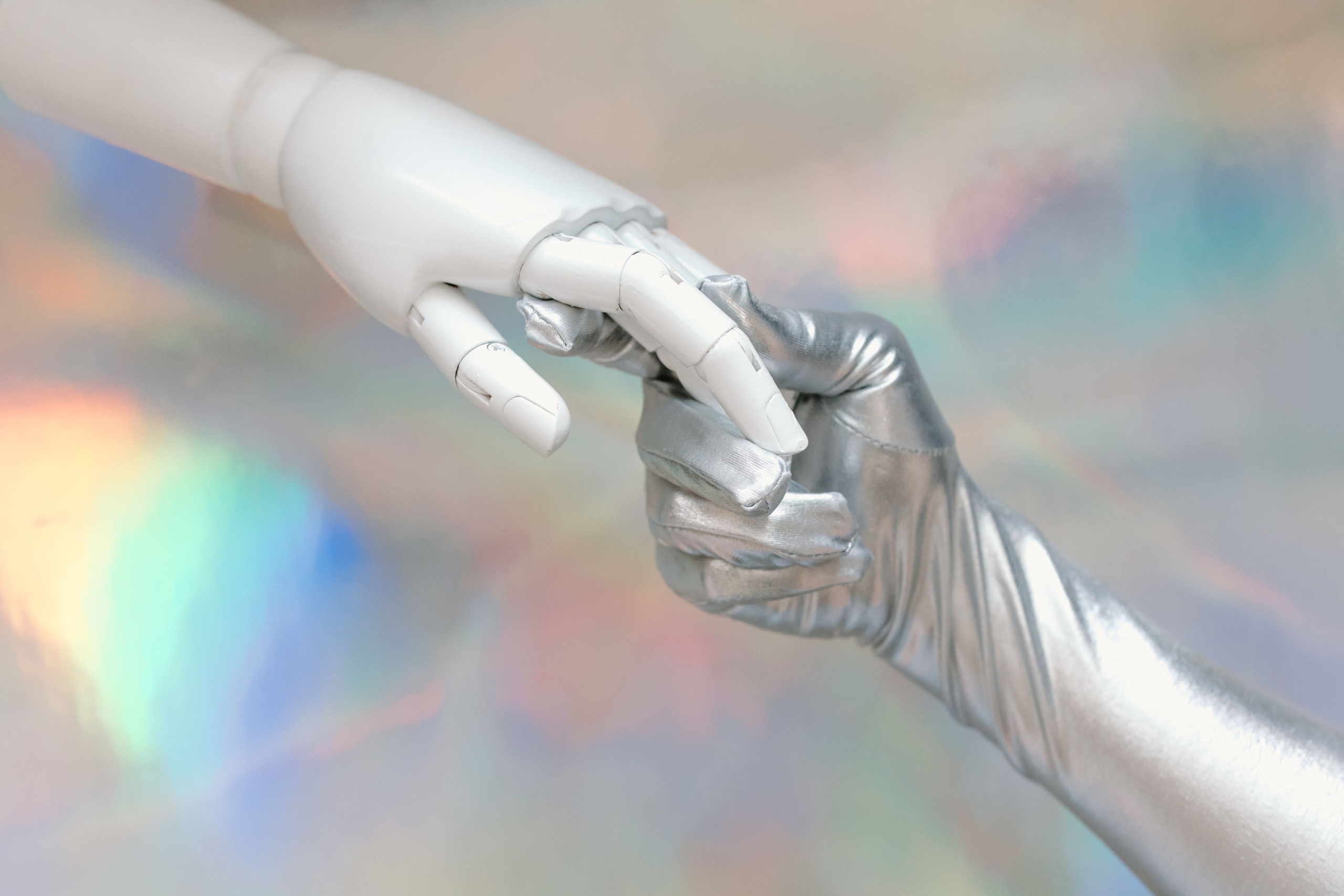
Physical AI usually requires software to interpret sensory input and connect the result to an action in the world. A robot might detect an object with a camera, estimate its pose and calculate a movement that avoids a collision. Those operations depend on cameras, processors, networking, actuation and safety functions functioning as a coordinated system. Performance that looks convincing in a curated demonstration may deteriorate when lighting changes, the object varies or the robot operates alongside people.
Hardware startups encounter integration costs long before they reach commercial scale. Prototype development can require compute resources, sensors, development tools, test environments and engineering support from several suppliers. A programme that connects founders with semiconductor, computing and industrial expertise may help them identify constraints earlier.
It does not remove the need to finance the eventual production design or pay for qualification and installation. Access to an established ecosystem matters most when it leads to reproducible technical progress.
The partners bring different capabilities. Infineon supplies semiconductor expertise in sensing, control and power; NVIDIA is associated with accelerated computing and robotics development; Microsoft offers software and cloud infrastructure; and UnternehmerTUM operates within a European entrepreneurship ecosystem. Combining those resources may help startups explore architectures without committing prematurely to a single hardware configuration. However, a programme participant still has to establish the security, support lifecycle and commercial terms of any technologies selected.
Industrial robotics presents particularly demanding validation questions. Model outputs may be probabilistic, while safety systems require predictable responses to hazardous conditions. Developers need a clear separation between functions that can tolerate uncertain classification and those that must maintain safe limits.
Training data must cover realistic operating conditions, and product owners need a process for updating models without undermining validated behaviour. An accelerator can provide guidance, but responsibility for safety assessment remains with the product developer and eventual integrator.
The planned January-to-April schedule gives the initiative a defined development window. Results could range from refined prototypes and investment readiness to customer trials or changes in product direction. Those should be reported according to what participants actually achieve, without treating application numbers or demonstration videos as deployment evidence. Engineering teams may also need to assess intellectual-property ownership and access to the tools used during the programme before adopting them for commercial products.
A startup operating in this space also has to bridge a commercial timing gap. Industrial customers tend to require evidence gathered across representative sites, while young hardware companies may have limited access to equipment or trial environments. Relationships with suppliers and enterprise partners can create opportunities for evaluation, but a well-designed trial needs acceptance criteria, failure reporting and clarity about ownership of resulting data.
Founders who can establish those requirements early will have a stronger basis for deciding whether their technology solves a repeatable industrial problem. Prototypes should be tested with failure conditions as well as success cases, including sensor outages, obstructed views and interruptions to cloud or network support.
The Growth Lab adds an early-stage route for European robotics and industrial AI businesses to connect technology development with manufacturing and customer requirements. The important measure will be whether participating teams emerge with designs that can be tested and supported in real operational settings. The programme itself is a commitment to provide support, with tangible hardware and commercial outcomes still to be established after it begins in 2027.