IN Brief:
- Infineon and Enphase are integrating 900V monolithic GaN bidirectional switches into transformer development builds.
- The devices combine bidirectional voltage blocking and current conduction for selected high-frequency power stages.
- Production qualification and commercial system-level efficiency figures have not been announced.
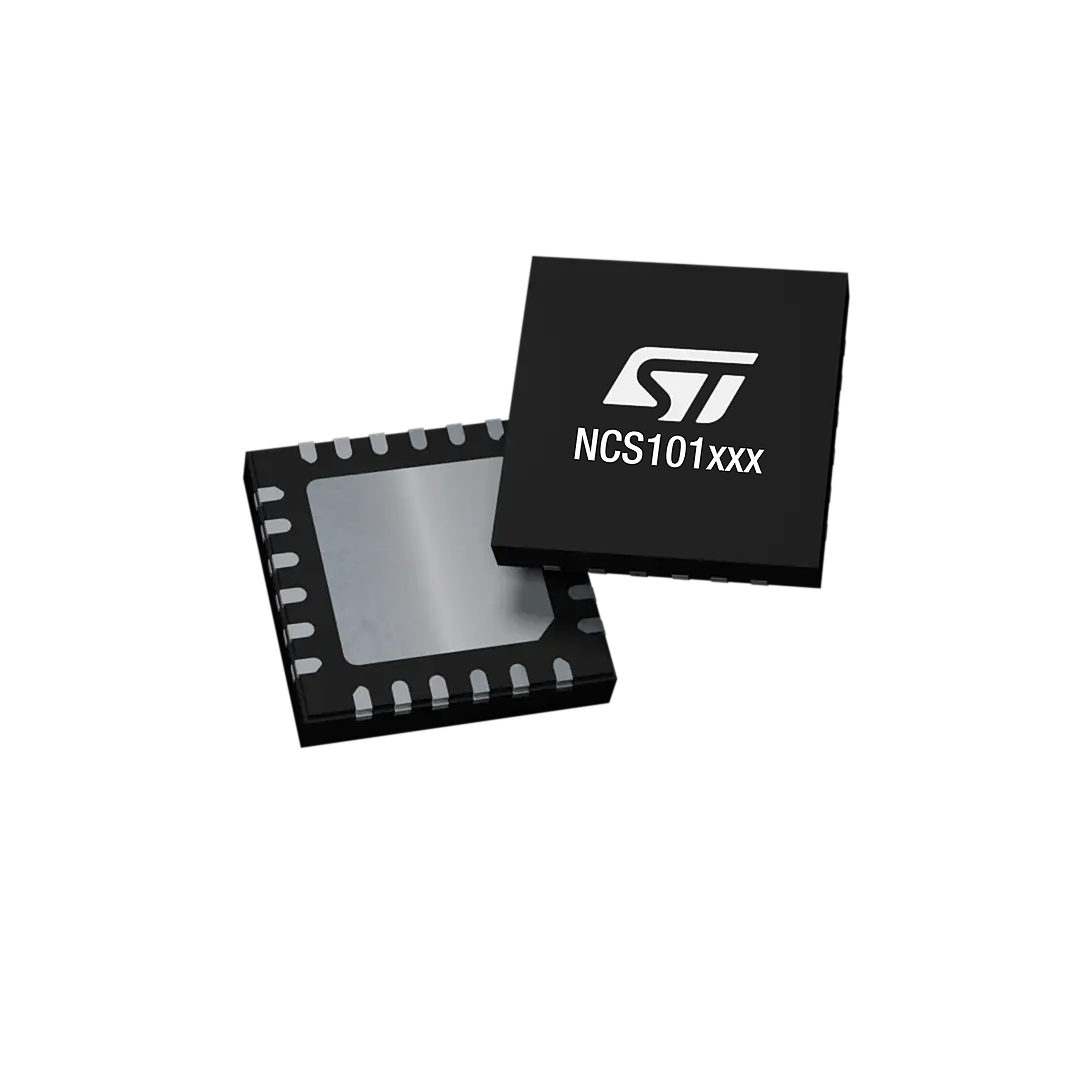
Infineon Technologies is developing 900V monolithic gallium nitride bidirectional switches with Enphase Energy for solid-state transformer applications, extending the range of high-frequency power conversion devices available to the companies’ AI data centre programme.
The new CoolGaN components have completed initial testing and are being integrated into development builds of Enphase’s IQ Solid-State Transformer. Production qualification is still outstanding, and neither company has announced commercial device volumes or independently measured performance figures for a completed transformer installation.
Solid-state transformers use controlled semiconductor switching and power conversion stages to perform functions that would otherwise rely more heavily on conventional passive transformers and associated conversion equipment. Their electronic architecture can provide flexible control of voltage and power flow, although it must also manage electrical isolation, fault behaviour, switching losses and heat.
The Infineon devices combine bidirectional voltage blocking and current conduction in a monolithic GaN structure. Conventional arrangements may require multiple discrete switches to provide the necessary control and blocking functions. Integrating them into one device can reduce the switch count in suitable circuit topologies, with any overall improvement dependent on how the complete power stage is designed.
Gallium nitride devices can switch at relatively high frequencies, allowing some magnetic components to be reduced in size compared with equivalent lower-frequency designs. That benefit is constrained by gate-drive requirements, switching losses, electromagnetic interference and the ability of the thermal system to remove heat under sustained loads.
Extending the bidirectional device rating to 900V gives engineers more voltage headroom than the earlier 650V switches on which Infineon and Enphase have collaborated. It does not mean that one switch can be connected directly across an arbitrary medium-voltage grid supply. The converter must allocate voltage stress across its stages and accommodate transient conditions with suitable operating margins.
The new device must also be distinguished from the higher-voltage unidirectional switching elements separately described in Enphase’s broader DC distribution proposals. Those elements relate to configurations intended to produce an 800V unipolar bus instead of split positive and negative 400V rails, and to prospective 1,500V arrangements using split 750V rails.
Bidirectional and unidirectional devices serve different circuit functions. Enphase has not published a complete production schematic identifying every switching stage of its intended solid-state transformer, so the bus-voltage proposals cannot be presented as functions implemented solely by the newly announced 900V switches.
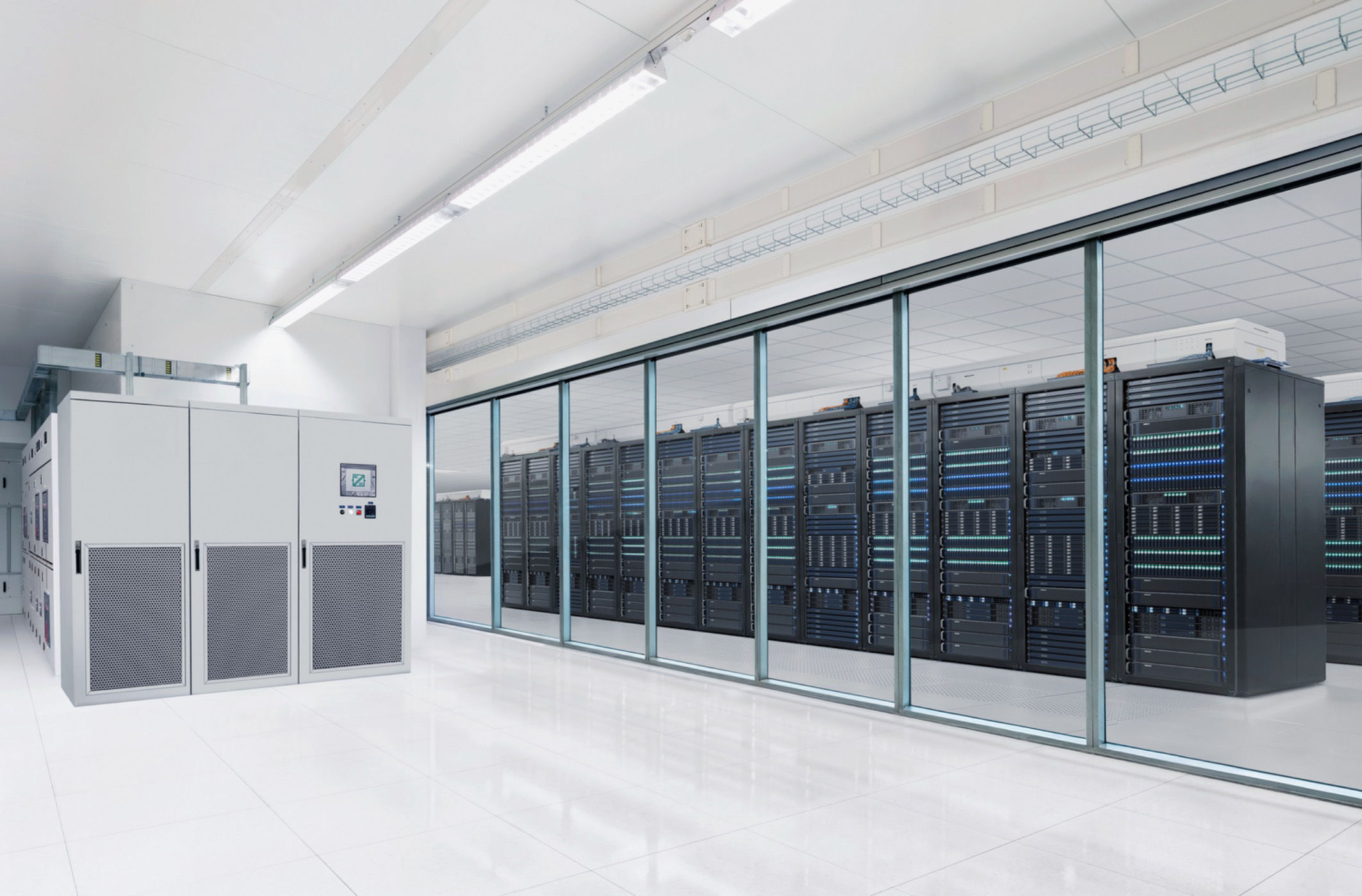
AI computing facilities are an intended application because dense processor installations require substantial electrical power, often converted repeatedly between the utility connection and electronic loads. Power conversion stages generate losses that add to cooling requirements. Reducing the number of components or conversion steps can be useful, but the benefit must be established for the complete electrical arrangement.
High-frequency conversion also changes the demands on layout and insulation. Switching transients and parasitic inductance can produce voltage overshoot, while closely packed components create thermal coupling and affect the clearance available between conductive structures. Semiconductor specifications alone therefore provide only part of the evidence required for system design.
Enphase is drawing on its earlier work with Infineon’s 650V bidirectional GaN devices in IQ9 microinverters. Experience with those components can inform gate control and packaging choices, but it does not constitute qualification of the new 900V technology for the different operating conditions of a solid-state transformer.
The companies also identify commercial solar inverters as a possible application. Systems connected to 480V line-to-line supplies in the United States and 400V arrangements elsewhere would impose their own requirements for switching, grid protection and certification; the suitability of the device depends on the selected converter topology.
Before production, the 900V switch must be characterised for voltage withstand, leakage, thermal behaviour, repetitive switching stress and interaction with the driver and protection circuitry. Transformer-level testing must additionally address insulation, fault containment, efficiency and long-duration operation. The companies have not released qualification results covering those full-system requirements.
Infineon and Enphase expect the development to support denser and potentially more efficient power conversion, but reductions in electrical losses, component count and cost remain application-dependent objectives. Integration and qualification of the development builds will determine whether the proposed benefits translate into commercial hardware.