
Category: Design engineering
-
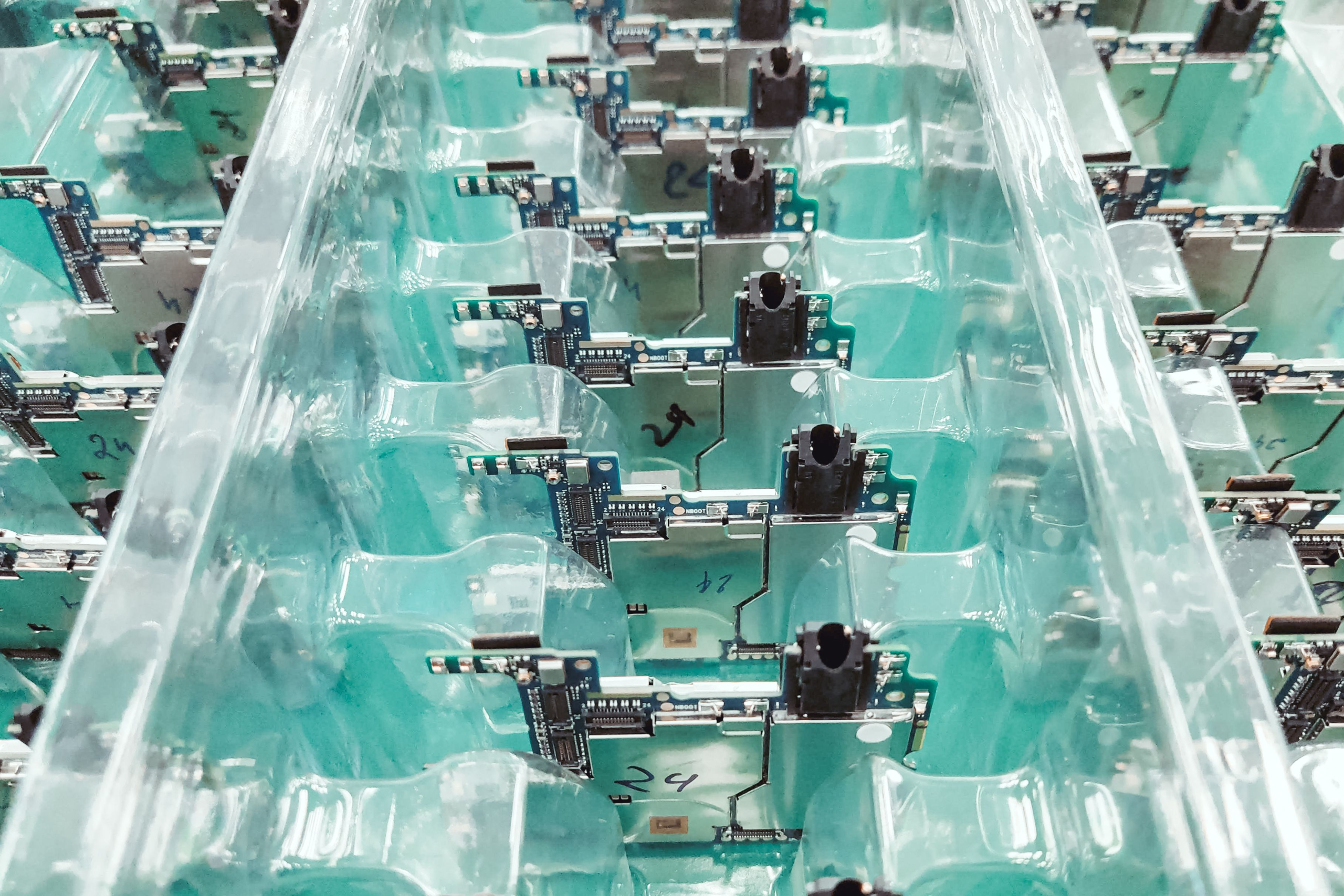
Rehm combines convection, condensation and vacuum in complex PCB soldering. Its Vision RCC system integrates convection, vapour-phase soldering and vacuum processing, with a stated maximum assembly mass of 25 kg.
-
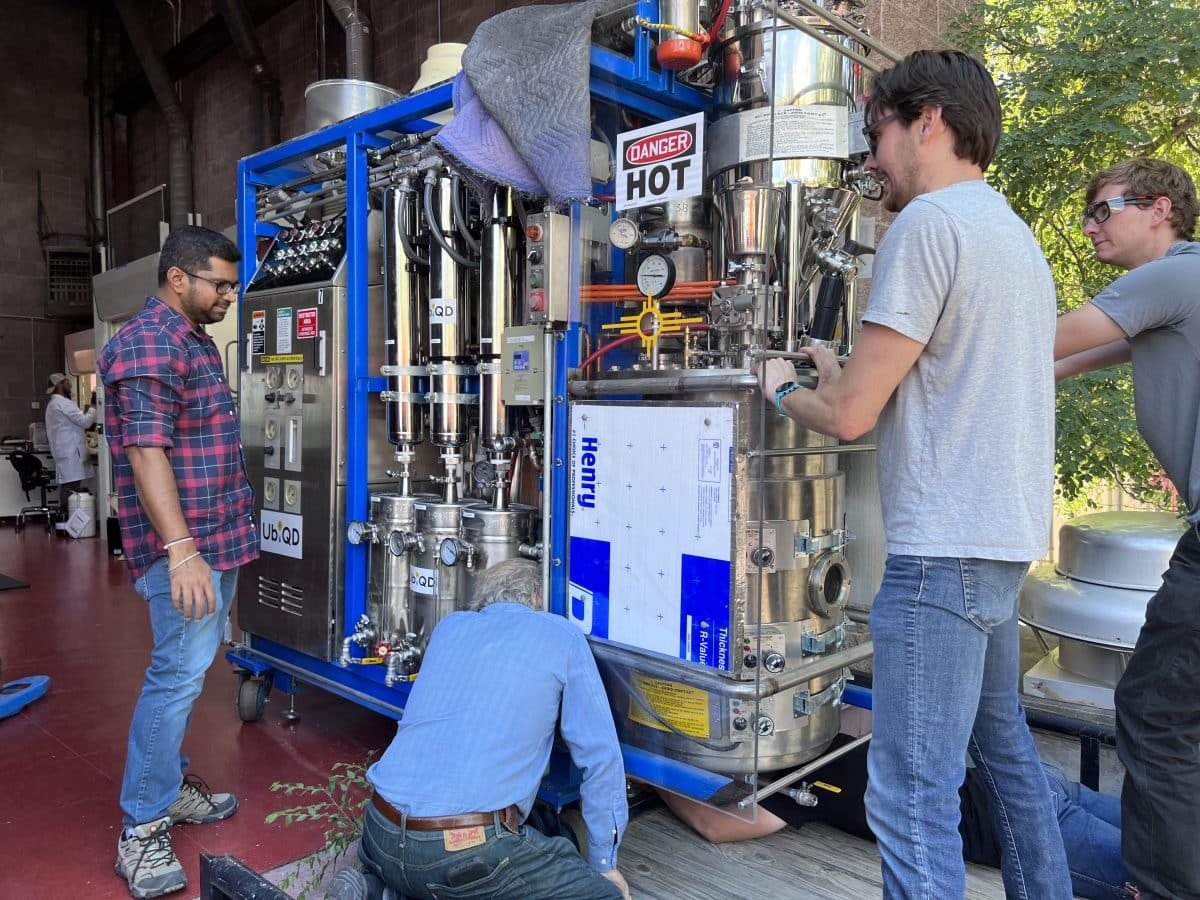
UbiQD has secured funding for a fibre-coupled single-photon source prototype. The $200,000 New Mexico award supports optical equipment and quantum-dot characterisation, while room-temperature operation and reliable photon delivery remain development targets.
-
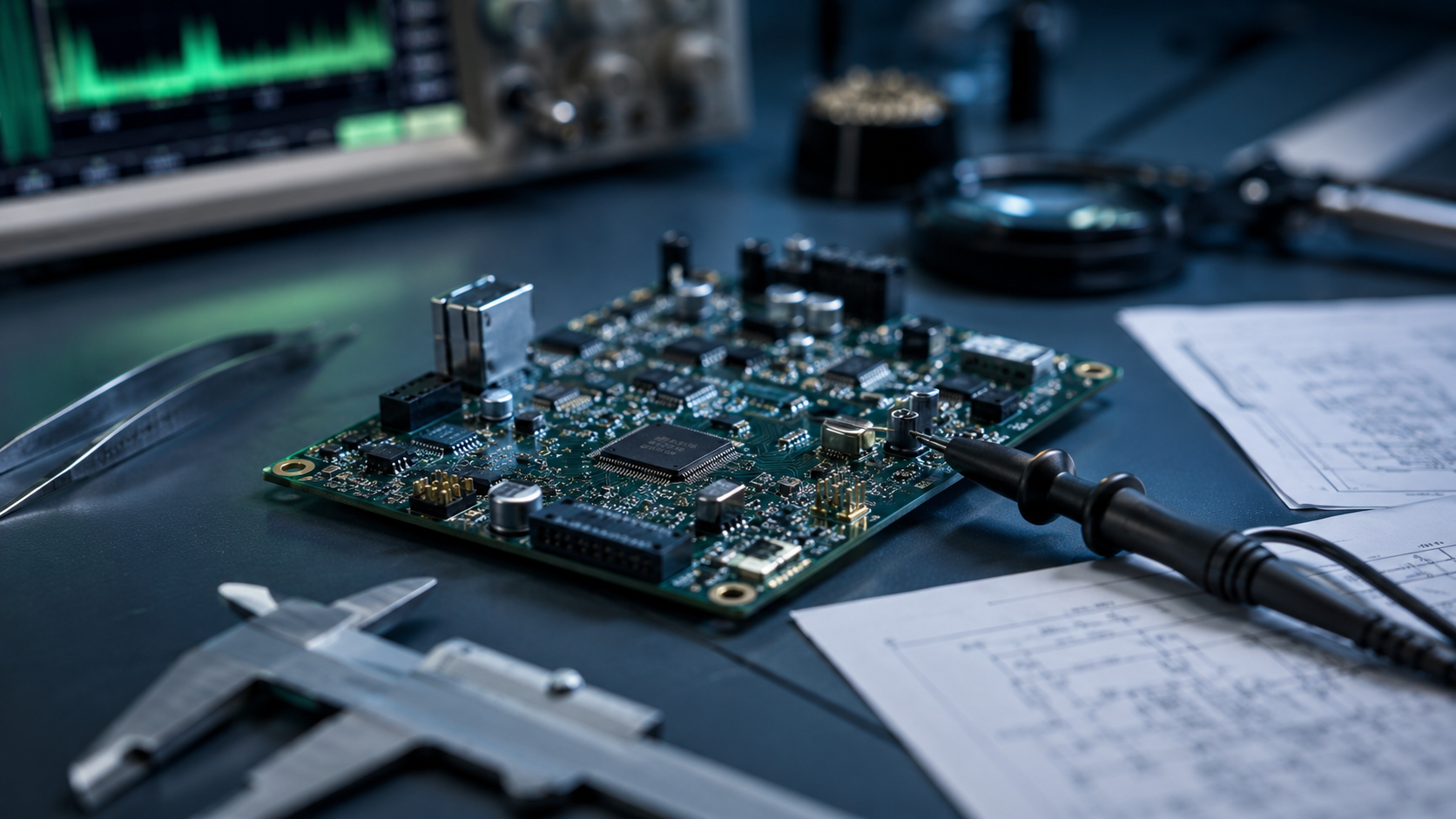
Emerson has expanded its modular instruments for automated electrical testing. The additions include a 6½-digit digital multimeter and new oscilloscope configurations offering bandwidths up to 1.5GHz, with software support for multi-instrument configuration and automation.
-

PsiQuantum has demonstrated silicon-photonics optical circuit switching for computing networks. Its 8 × 8 prototype achieved typical insertion loss of 1.2dB and reconfiguration below three milliseconds, with evaluation samples being supplied to prospective customers.
-
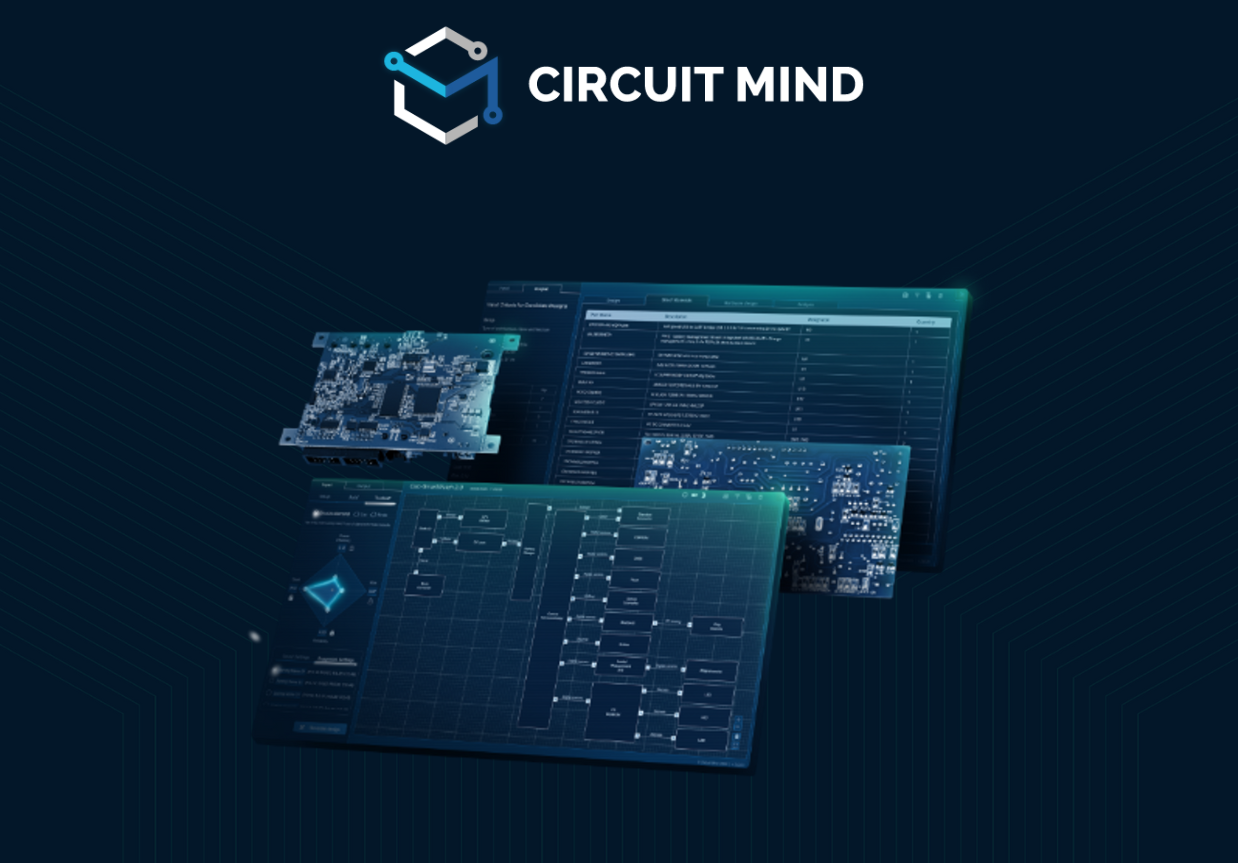
Circuit Mind has introduced automated checks for electronic circuit schematics. Its AVE application examines component datasheets, electrical connections and internal design rules, while a separate $25m financing announcement supports further expansion of the company’s electronics design platform.
-
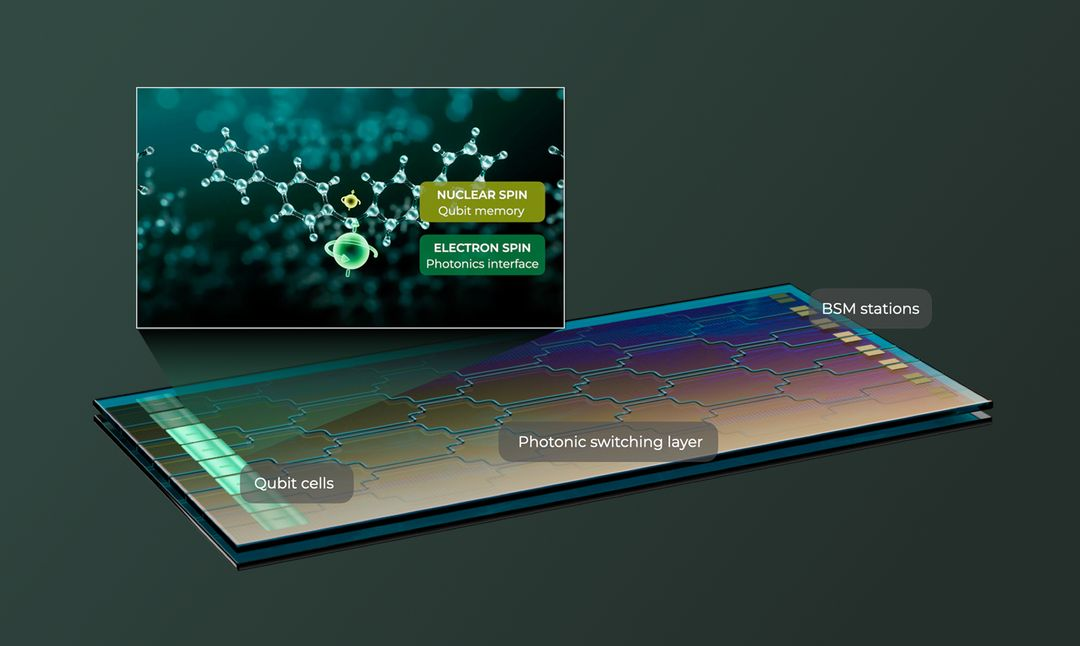
Researchers have controlled individual molecular spins through an optical interface. The Nature study demonstrates spin manipulation and readout at 4.5K, while NVision’s new partnership with HyperLight will investigate integrating molecular qubits onto photonic chips.
-
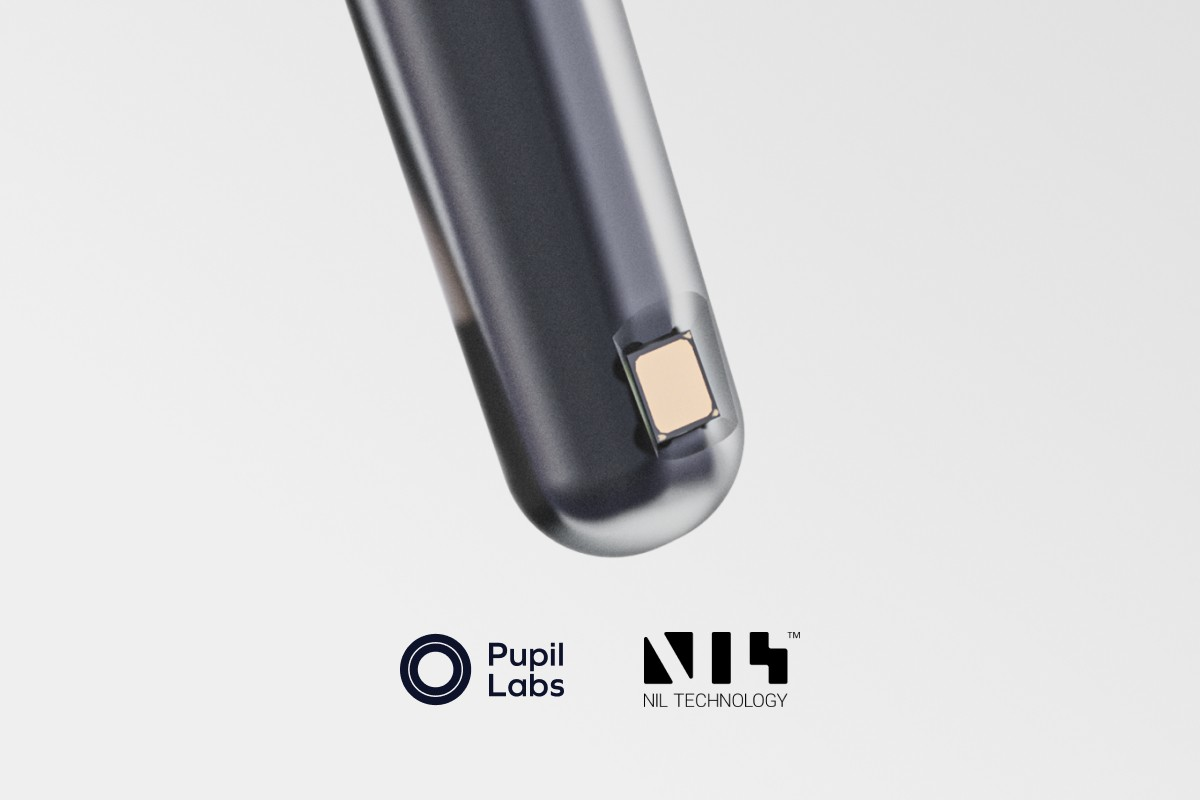
NIL Technology has launched its miniature camera for eye tracking. The metaEye module integrates two flat optical elements with a 400 × 400-pixel CMOS sensor in a package measuring 1.68 × 1.68 × 2.11mm, targeting near-infrared imaging in compact wearables.
-

European technology partners are launching support for physical AI startups. The UnternehmerTUM-led programme brings Infineon, Microsoft and NVIDIA into an accelerator scheduled for early 2027.
-

IDS now groups industrial camera HDR modes within shared software. Clear HDR, Quad HDR and Sequence HDR address different image brightness, resolution and motion requirements in inspection systems.
-

Percepio has extended embedded runtime monitoring into Zephyr-based development environments. The platform captures event-triggered diagnostic traces and core dumps to support investigation of firmware faults.