
Category: Features
-
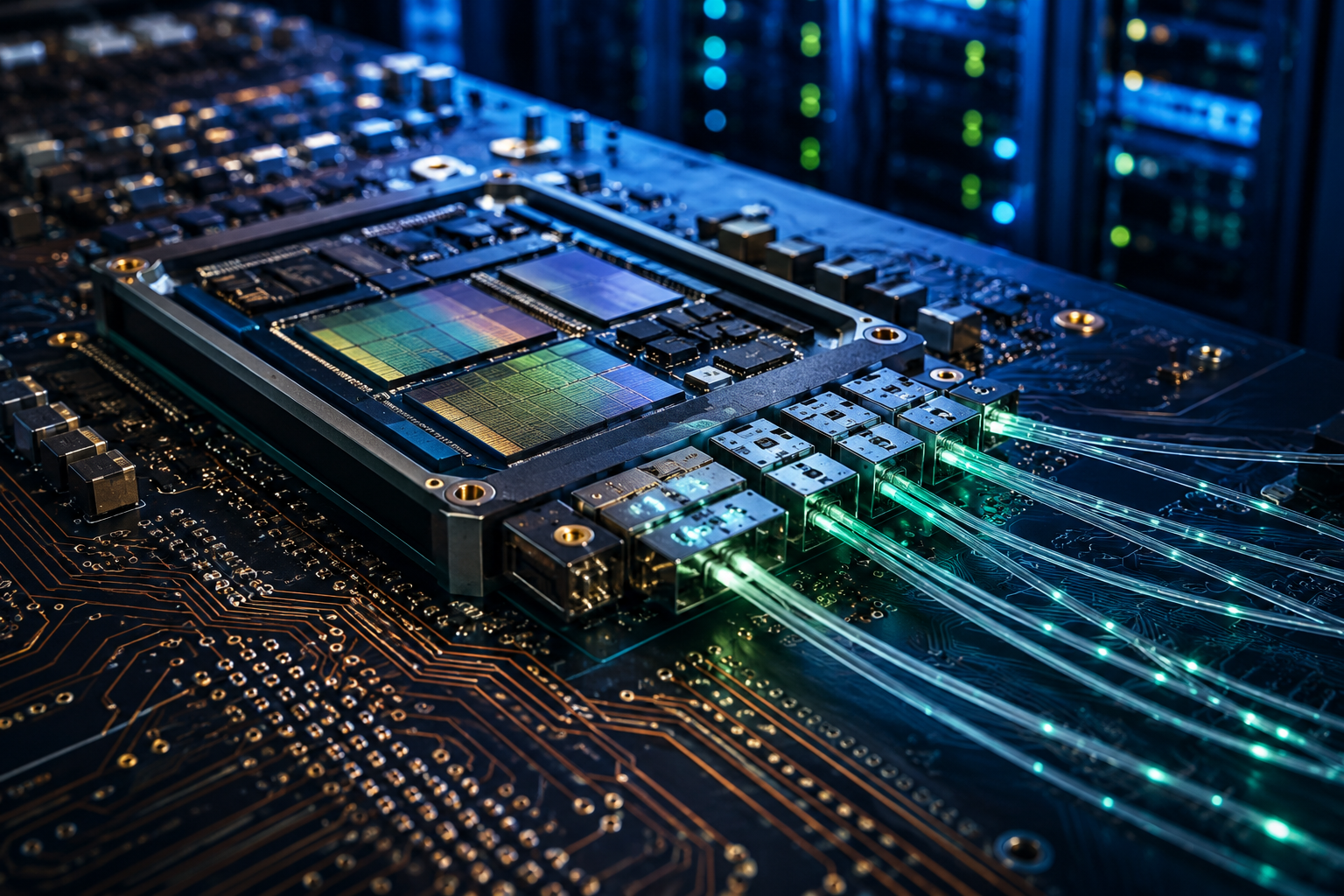
AI infrastructure is pulling optical links closer to compute silicon. That shift is changing decisions around materials, packaging, thermal management, manufacturing, and test.
-
GDPR’s eighth anniversary puts IoT security design back under scrutiny. As connected device fleets expand, compliance is increasingly tied to secure identity, encrypted data, update support, supplier assurance, and lifecycle risk management.
-
Q2 2026 made electronics design constraints much harder to ignore. Memory, packaging, optics, EDA automation, edge AI, and power delivery all carried forward existing pressures, while adding sharper evidence of how advanced systems are now limited by more than processors alone.
-

Legacy aerospace and satellite platforms face rising connectivity demands. Filtronic CTO Tudor Williams explains how solid-state power amplifiers can replace travelling wave tube amplifiers, improving reliability, reducing maintenance, and enabling higher-throughput links without the cost and complexity of full platform redesigns.
-
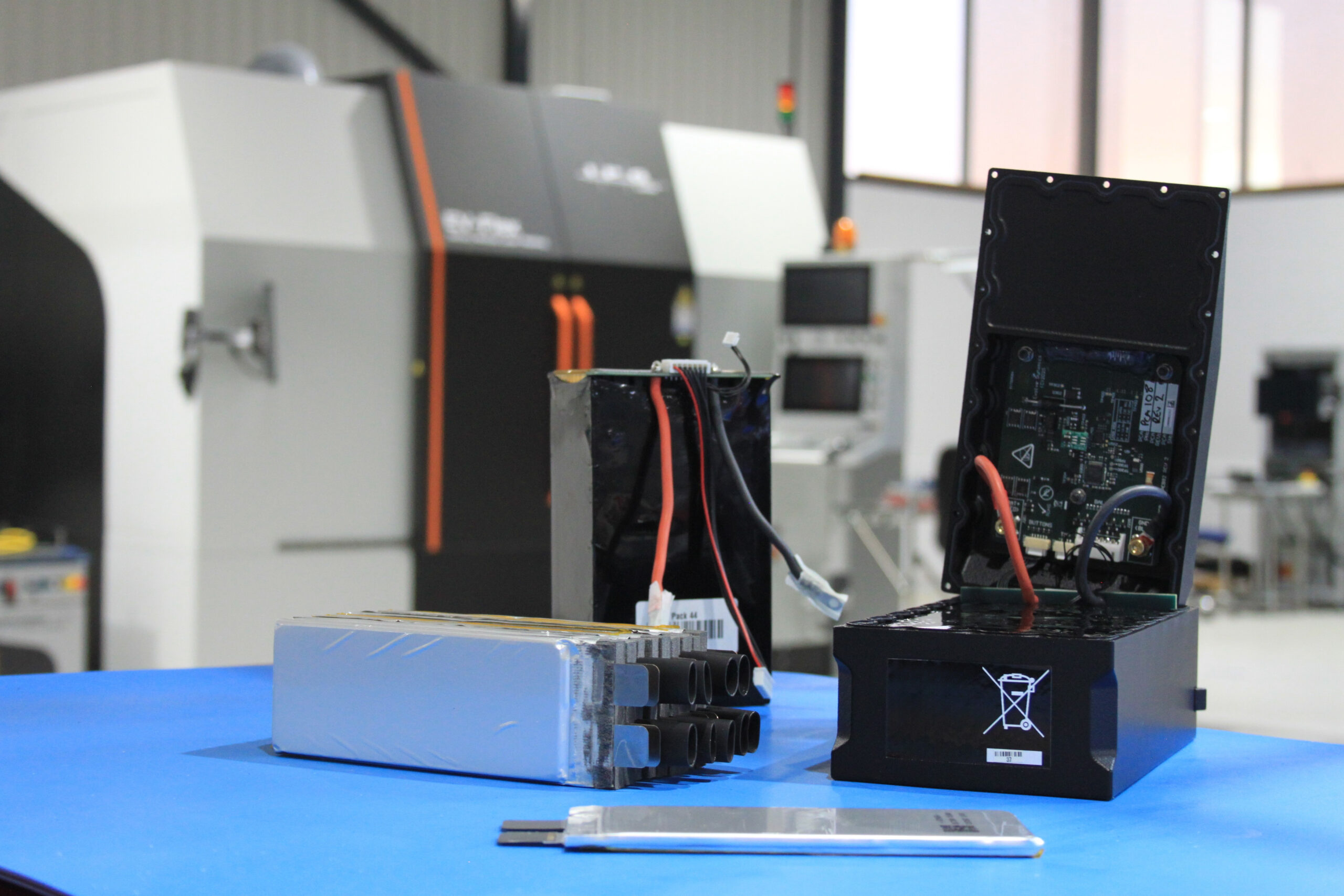
Commercial UAV production is creating new pressures on battery development strategies. As manufacturers move from low-volume engineering programmes to repeat production, battery packs must deliver more than performance alone, requiring manufacturability, traceability, testing rigour, and supply chain resilience to support sustainable growth.
-
March exposed where power in electronics now truly sits globally. Silicon still set the pace, but memory, power, optics, packaging, and design infrastructure increasingly shaped who could build, ship, and scale.
-
AI demand redrew February’s electronics map, from silicon outward again. Memory bandwidth, advanced packaging, and power conversion pulled tighter into the critical path, while export controls and obscure materials added fresh friction. February’s most consequential moves were less about product launches than about who can actually build, ship, and support performance.
-

AI data centres are turning NAND into a scarce resource. Phison is warning of a 2026 squeeze as enterprise SSD demand accelerates for inference, vector search, and cold-tier storage. With suppliers prioritising margin and process transitions limiting bit growth, embedded buyers may find eMMC and UFS harder to source.
-
January’s electronics agenda narrowed around power, packaging, and policy constraints. CES announcements pushed compute into rack-scale platforms, while memory supply and advanced packaging capacity dictated what could realistically ship. Export controls and EU security obligations tightened the design perimeter around compliance, updateability, and regional configuration management.