
Category: Memory
-
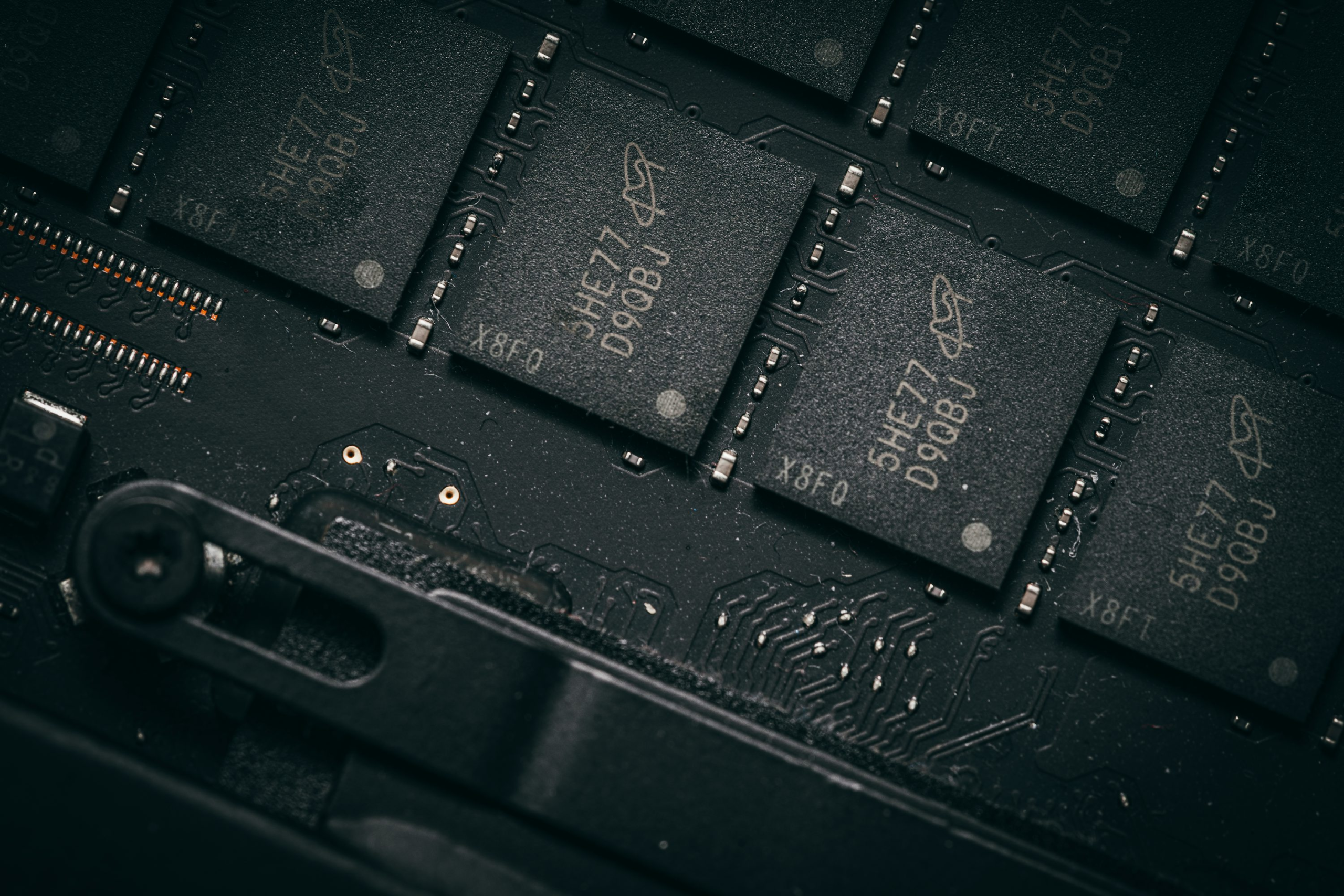
Micron has demonstrated a 512GB DDR5 module for future servers. The vertically stacked RDIMM reaches up to 9,200MT/s and could give a 24-slot dual-socket system as much as 12TB of directly attached DDR5 memory.
-
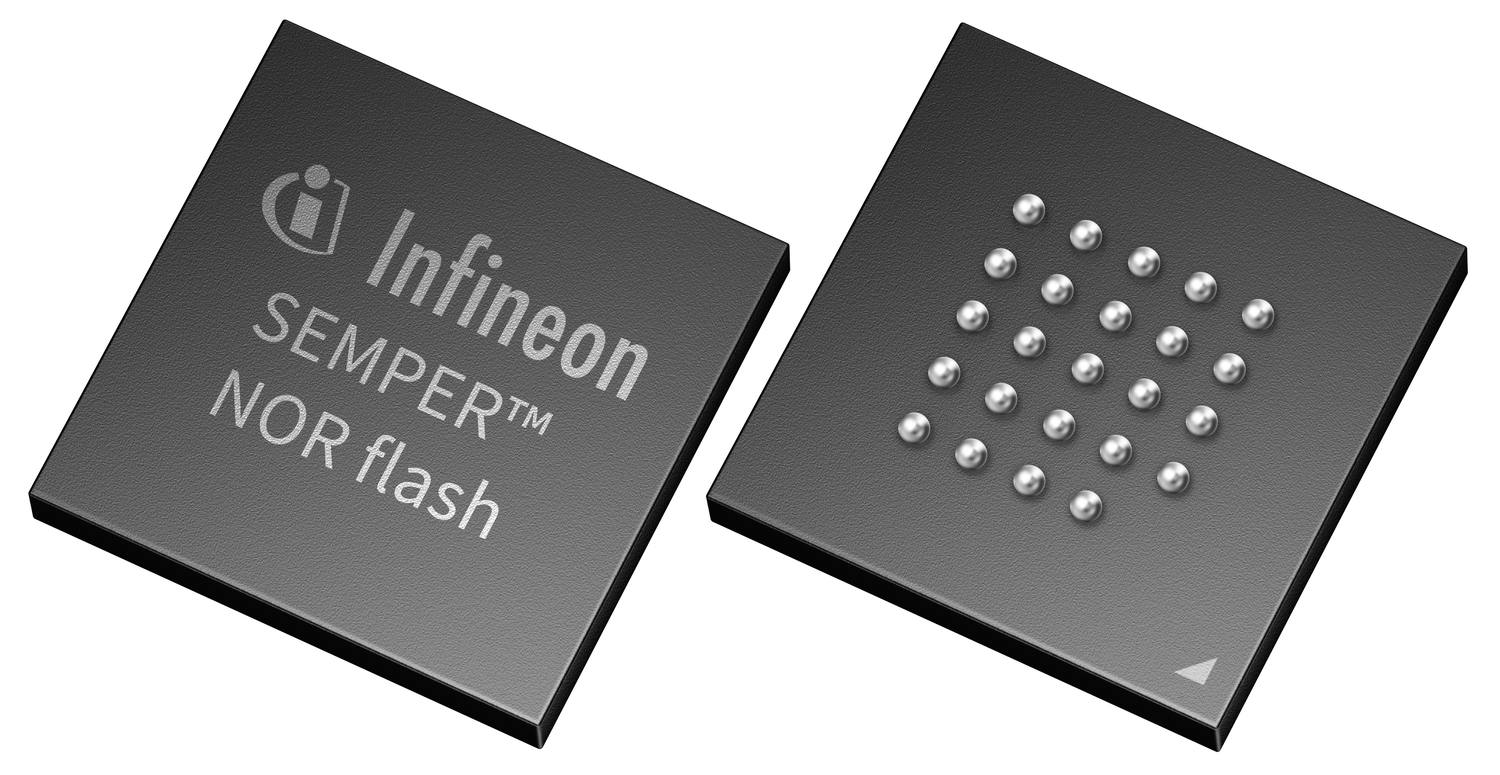
Infineon will sell its NOR Flash and F-RAM memory business. Winbond will pay $1.12 billion for the operation, which serves automotive, industrial, and infrastructure customers and is expected to transfer during the second half of 2027.
-

Astera Labs has expanded Leo controllers for memory-intensive AI workloads. New devices target accelerator-attached, expanded, pooled, and reusable server memory.
-

Chinese AI-chip suppliers are raising prices as HBM shortages intensify. Huawei, Cambricon, and smaller accelerator developers face higher memory procurement costs, restricted supply, and increasingly difficult allocation decisions.
-

Samsung plans High-NA EUV insertion into DRAM production by 2028. It is also joining development of a larger 12-inch photomask platform.
-
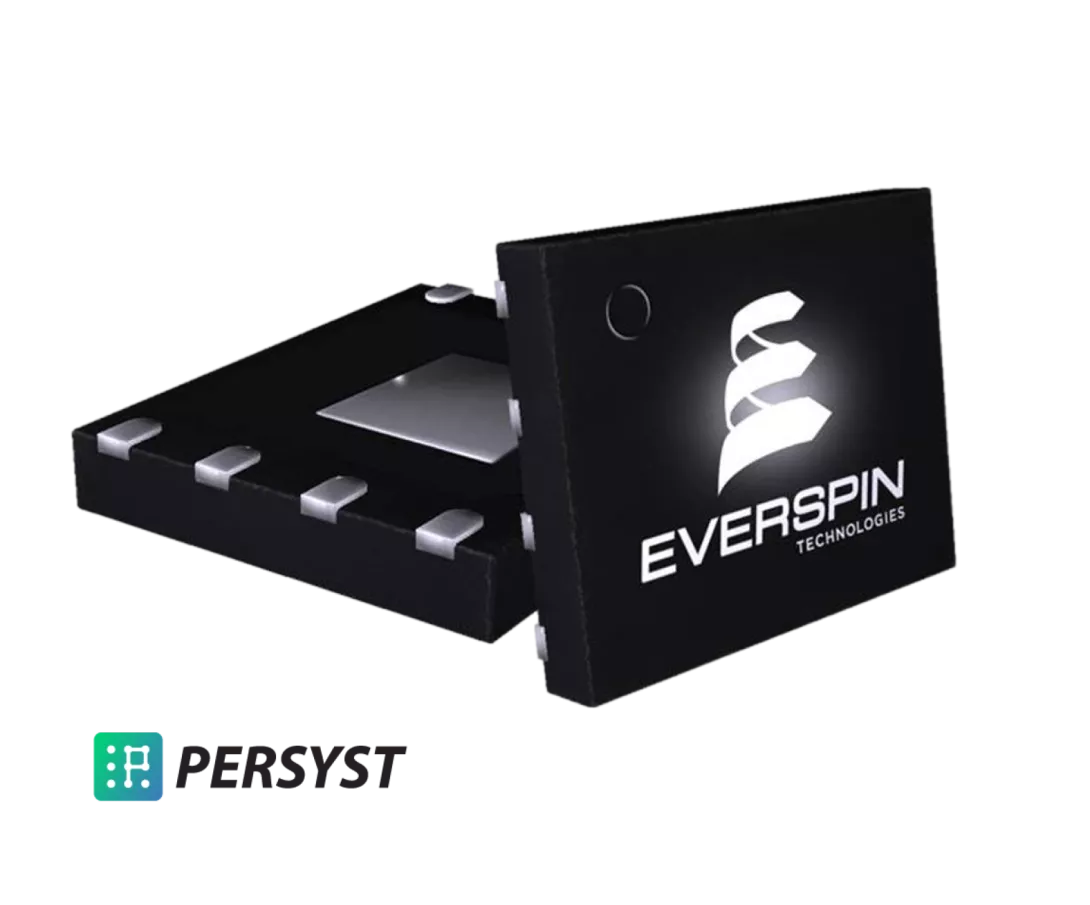
Everspin and Teledyne HiRel are expanding mission-critical MRAM availability together. Their partnership brings 256Mb PERSYST STT-MRAM into an aerospace and defence memory portfolio, with customer availability planned for the fourth quarter.
-
GlobalFoundries and RAAAM have taped out GCRAM test silicon successfully. Their FDX implementation targets 40% less memory area and power reductions reaching 60% against conventional SRAM.
-
CXMT has moved its LPDDR6 memory technology into volume production. The Chinese DRAM manufacturer specifies speeds reaching 12,800Mbps and capacities up to 16GB, with Xiaomi providing the first announced deployment.
-
SK hynix has broken ground on its Indiana HBM facility. The $4 billion project combines advanced packaging, testing, and an R&D testbed, with cleanroom opening targeted for 2028 and mass production in 2029.
-
Primemas has detailed rack-scale CXL memory for demanding PNNL workloads. The Abaco project combines high-density controller silicon, Micron DDR5, and memory pooling to exceed 100TB per rack.