
Category: Memory
-

Air Liquide will invest nearly €200m in Korean semiconductor infrastructure. The project will supply high-purity gases and compressed air for SK hynix’s HBM packaging and testing facility.
-
Semiconductor revenue reached $319bn during the first quarter of 2026. Omdia’s figures show an exceptional memory rebound, with DRAM and NAND nearly doubling as AI infrastructure demand reshapes chip-market growth.
-
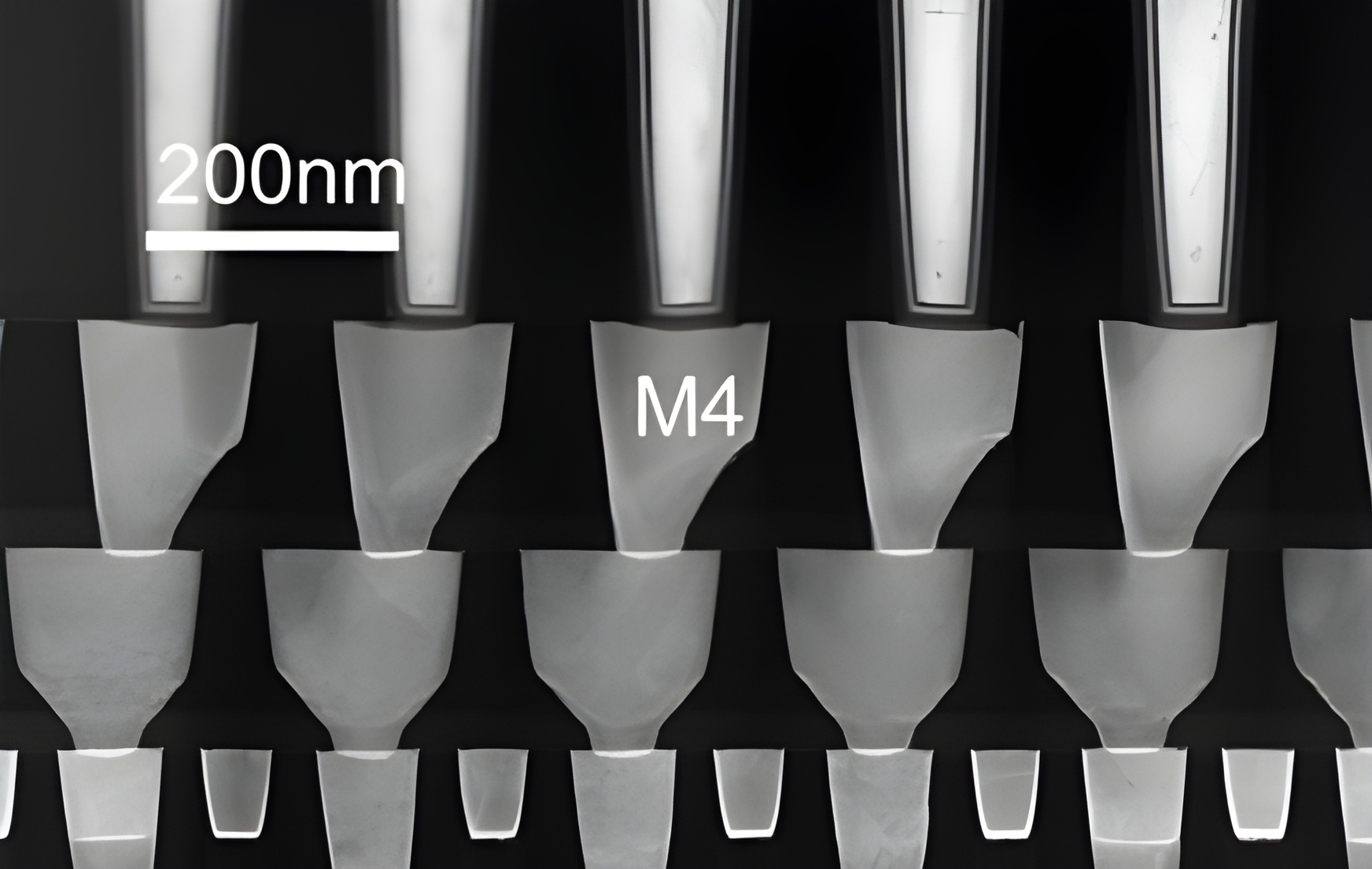
CEA-Leti has demonstrated denser 22nm FeRAM using vertical HZO capacitors. The work targets embedded non-volatile memory for edge AI.
-
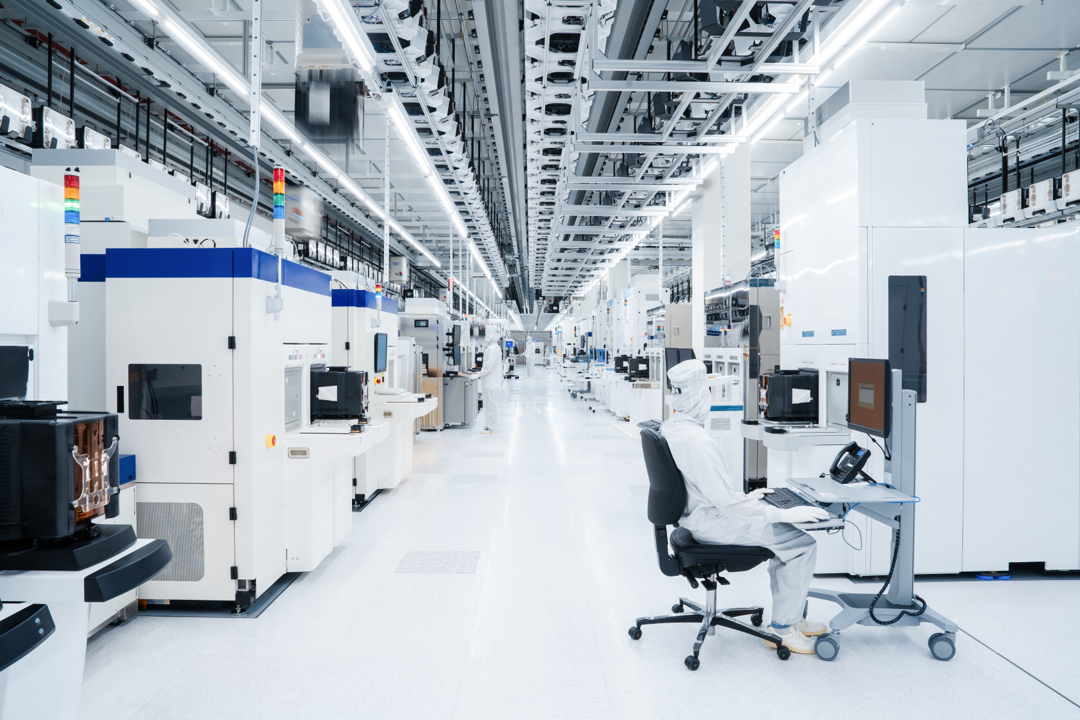
CEA-Leti and GlobalFoundries are extending FD-SOI research through Europe’s FAMES. The pilot line targets low-power, sovereign silicon for advanced applications.
-
Semiconductor equipment billings hit a new quarterly record in 2026. SEMI’s Q1 figures show capital spending concentrated around leading-edge logic, DRAM, and advanced packaging as AI infrastructure keeps pulling investment towards wafer fabrication and package-level integration.
-

Bull and Foxconn will manufacture AI and cloud infrastructure across France and the Czech Republic. The partnership targets AI factories, neo-cloud providers, enterprises, and research institutions, with an initial investment expected to exceed €120m.
-
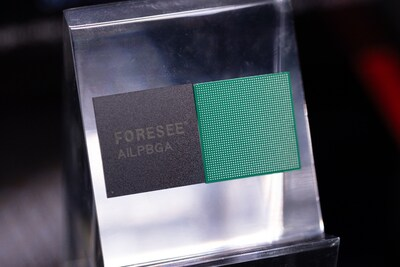
Longsys has introduced AIDIMM and AILPBGA memory products. The devices target local AI inference, compact embedded systems, and edge compute platforms under memory, bandwidth, power, and thermal constraints.
-
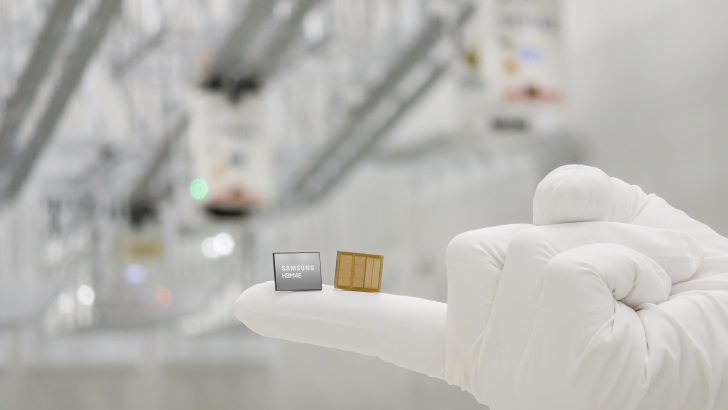
Samsung has begun shipping 12-layer HBM4E samples to major customers. The devices target AI accelerators and data-centre systems with 48GB stacks, 14Gbps pin speed, and up to 3.6TB/s bandwidth.
-

Micron has started 1-alpha DRAM manufacturing at its Virginia fab. The ramp strengthens long-lifecycle DDR4 and LPDDR4 supply for automotive, aerospace, defence, industrial, networking, and medical electronics.
-
Rambus has introduced a DDR5 9600 client memory module chipset for CUDIMM, CQDIMM, and CSODIMM designs in future AI PCs, workstations, and notebooks.