
Category: Memory
-
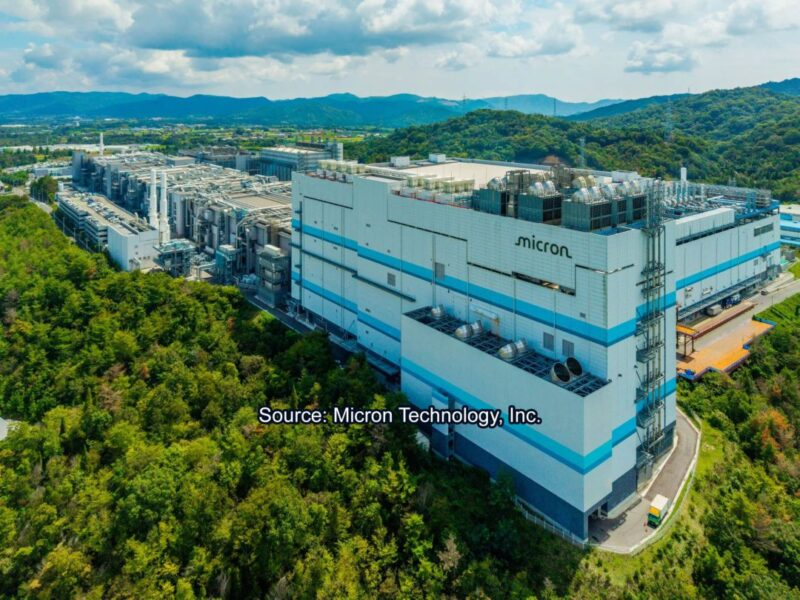
Micron has started a major Hiroshima expansion for advanced memory. Equipment installation is planned from the second half of 2028.
-
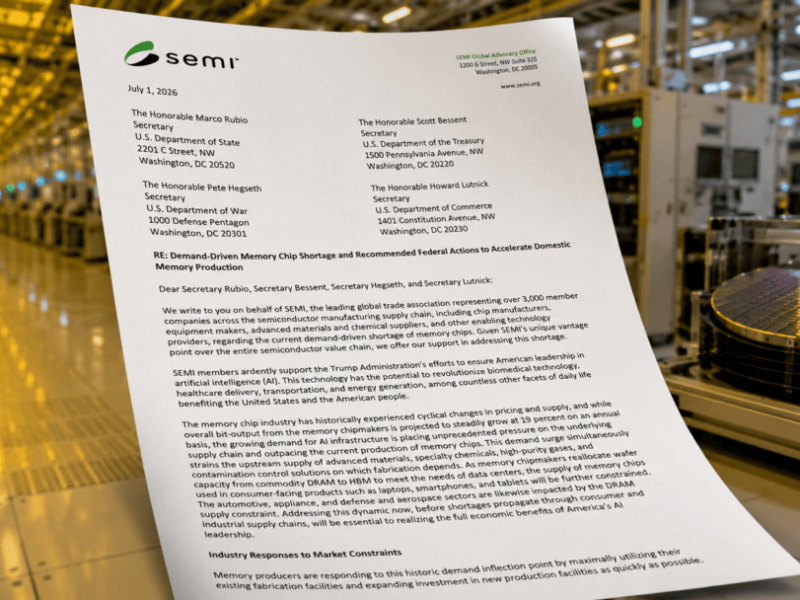
SEMI has warned that memory intervention could worsen global shortages. AI infrastructure is pulling capacity towards HBM and advanced DRAM.
-

Kioxia has started sampling 332-layer BiCS FLASH enterprise memory devices. The NAND technology targets enterprise and data-centre SSDs for AI workloads.
-

MEMPHIS Electronic will address memory uncertainty at FMS 2026 soon. Its focus is availability, migration, and lifecycle planning for embedded designs.
-
Q2 2026 made electronics design constraints much harder to ignore. Memory, packaging, optics, EDA automation, edge AI, and power delivery all carried forward existing pressures, while adding sharper evidence of how advanced systems are now limited by more than processors alone.
-
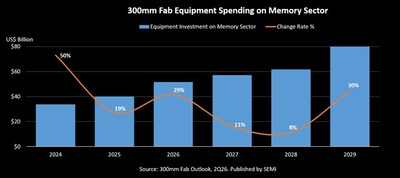
Memory capital spending is being pulled upward by AI demand. SEMI expects 300mm memory equipment investment to exceed $50bn in 2026, with DRAM and 3D NAND spending rising sharply.
-
SEMI will centre its materials conference on AI-era semiconductor constraints. The programme covers materials, packaging, quantum devices, manufacturing scale-up, and supply resilience.
-

Micron and Anthropic are linking AI infrastructure to memory architecture. Their agreement covers HBM, DRAM, SSDs, supply, and workload-level optimisation.
-
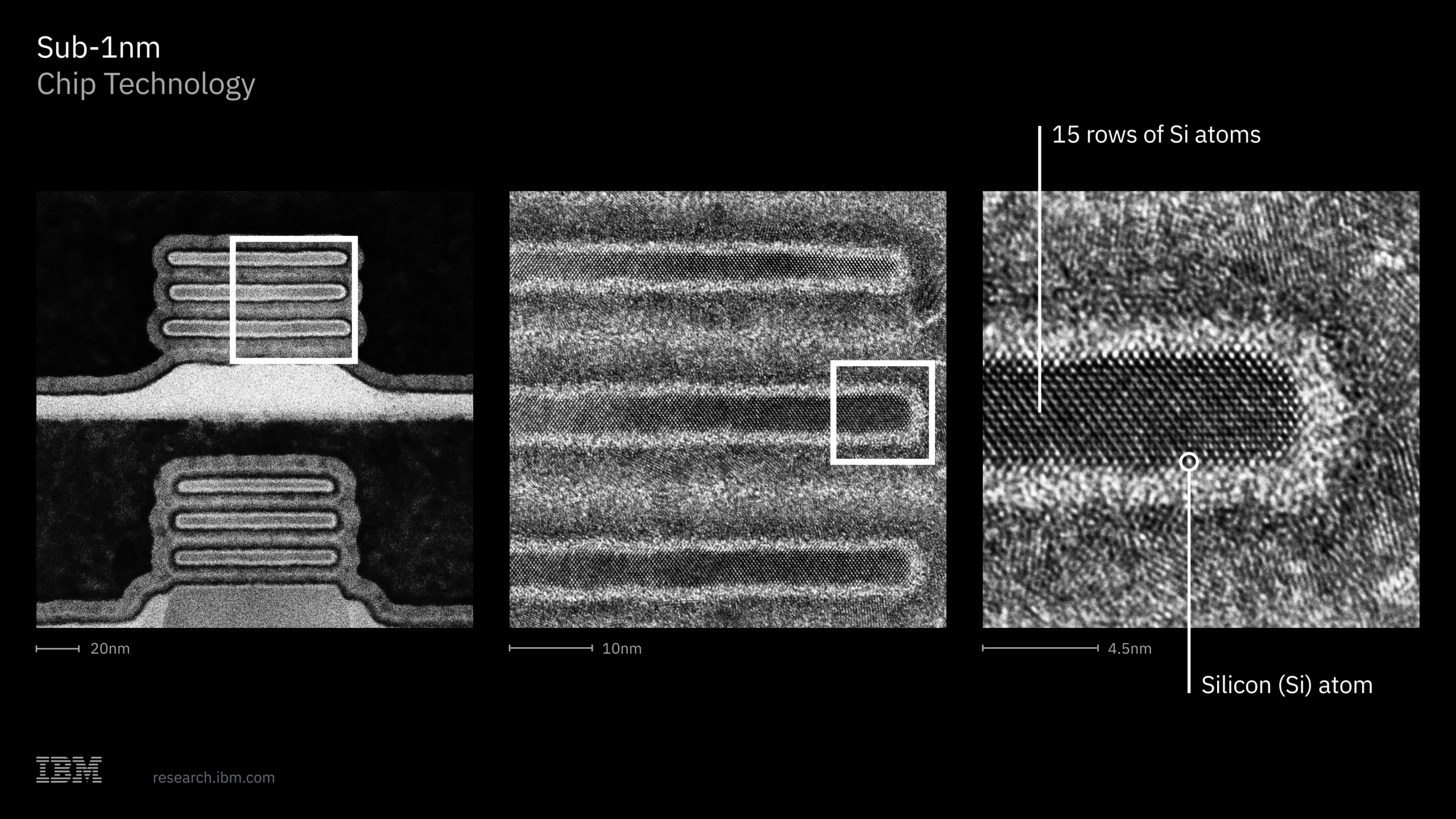
IBM has demonstrated sub-one-nanometre chip technology using a nanostack architecture. The research targets future gains in logic density, SRAM scaling, and energy efficiency.
-

Imec has demonstrated ferroelectric memory advances for future AI systems. The work targets density, voltage, endurance, and three-dimensional integration as AI compute architectures increase pressure on memory systems.