
Category: Medical
-

Vision Engineering has launched the EDGE metrology range, spanning manual and automated benchtop systems intended to tighten inspection throughput and measurement consistency in precision manufacturing environments.
-
Columbia Engineering has detailed a flexible brain-computer interface chip that combines dense neural recording, stimulation, telemetry, and wireless power on one implantable substrate.
-
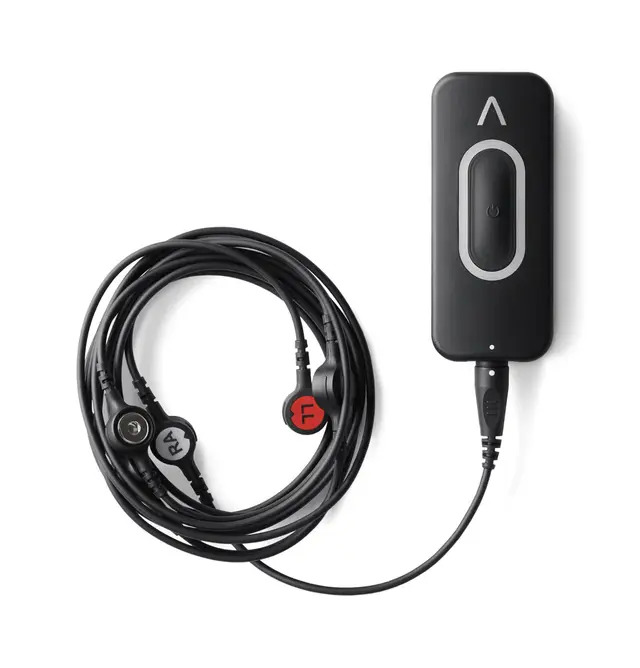
AliveCor has received CE mark for its Kardia 12L system, bringing a single-cable, AI-powered handheld 12-lead ECG platform to the European market.
-
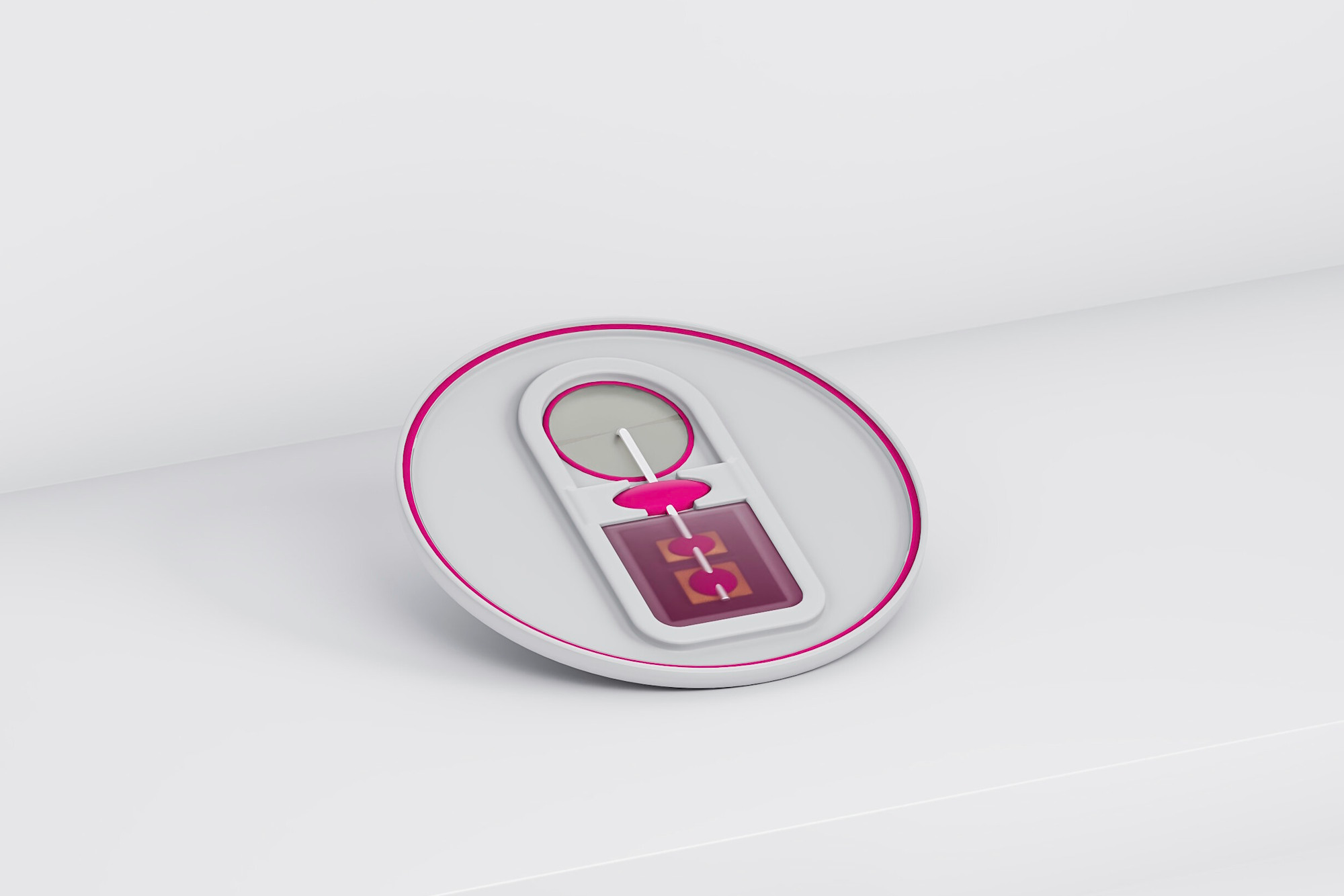
DELO has added five IBOA- and TPO-free adhesives for medical electronics, targeting wearable housings, sensor potting, sealing, and process control in compact device assemblies.
-

Legacy electronics support increasingly depends on recovering lost board data. Wonderful PCB is expanding reverse-engineering services aimed at rebuilding undocumented designs for medical and industrial hardware.
-
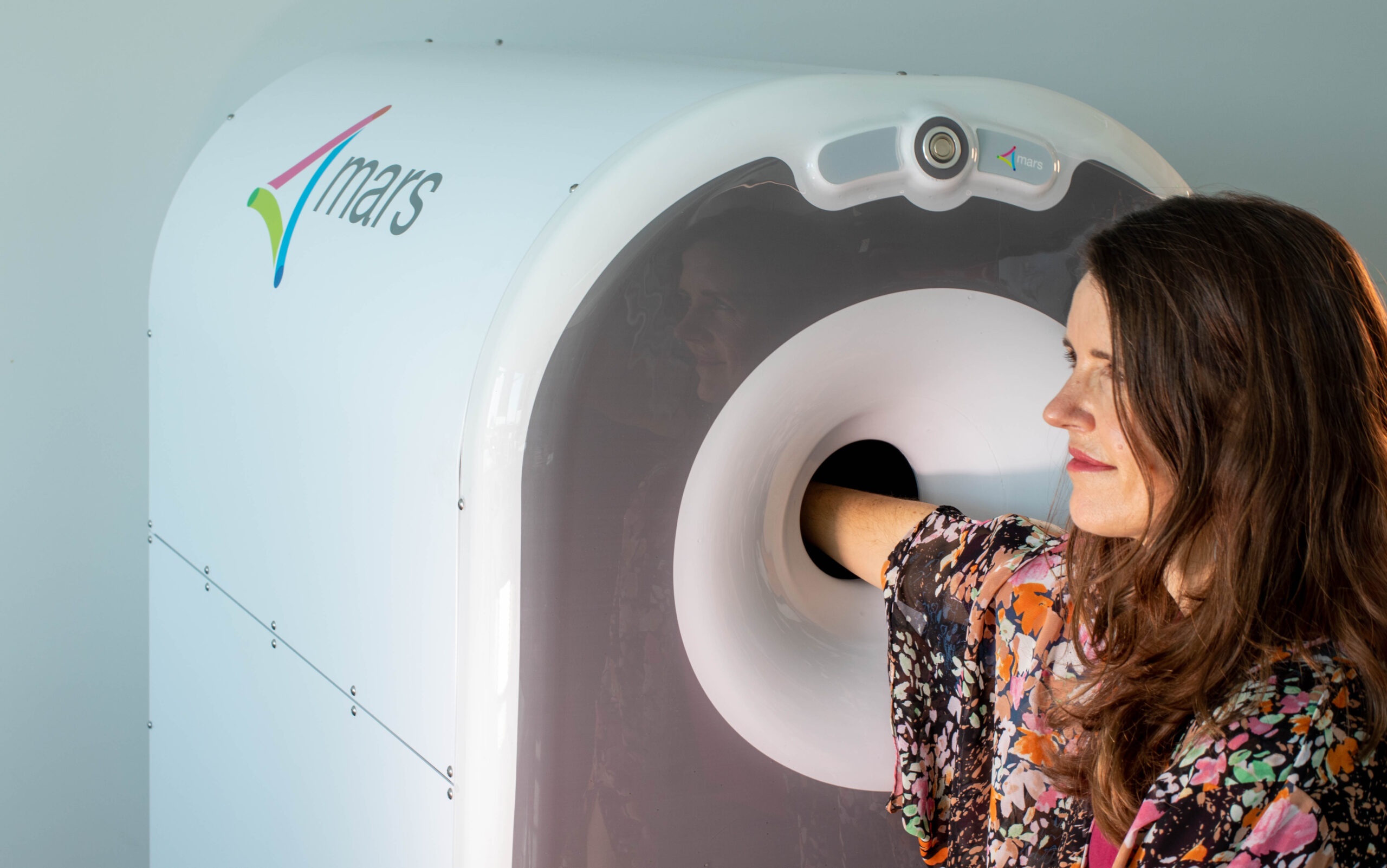
MARS Bioimaging has secured FDA clearance for portable photon-counting CT. The decision opens the US market for a compact upper-extremity imaging system built around detector technology originally developed through CERN’s Medipix3 work.
-

Innodisk is taking Blackwell-class inference into constrained clinical edge deployments. Its GTC 2026 showcase pairs a Medical VLM running locally on the APEX-X200 with an eight-camera Jetson AGX Orin mobility stack built for heavy vehicles.
-
ABLIC is widening its analogue strategy in Europe and the US. The move centres on battery protection, automotive power, Hall sensing, medical ultrasound electronics, and batteryless water leak detection.
-
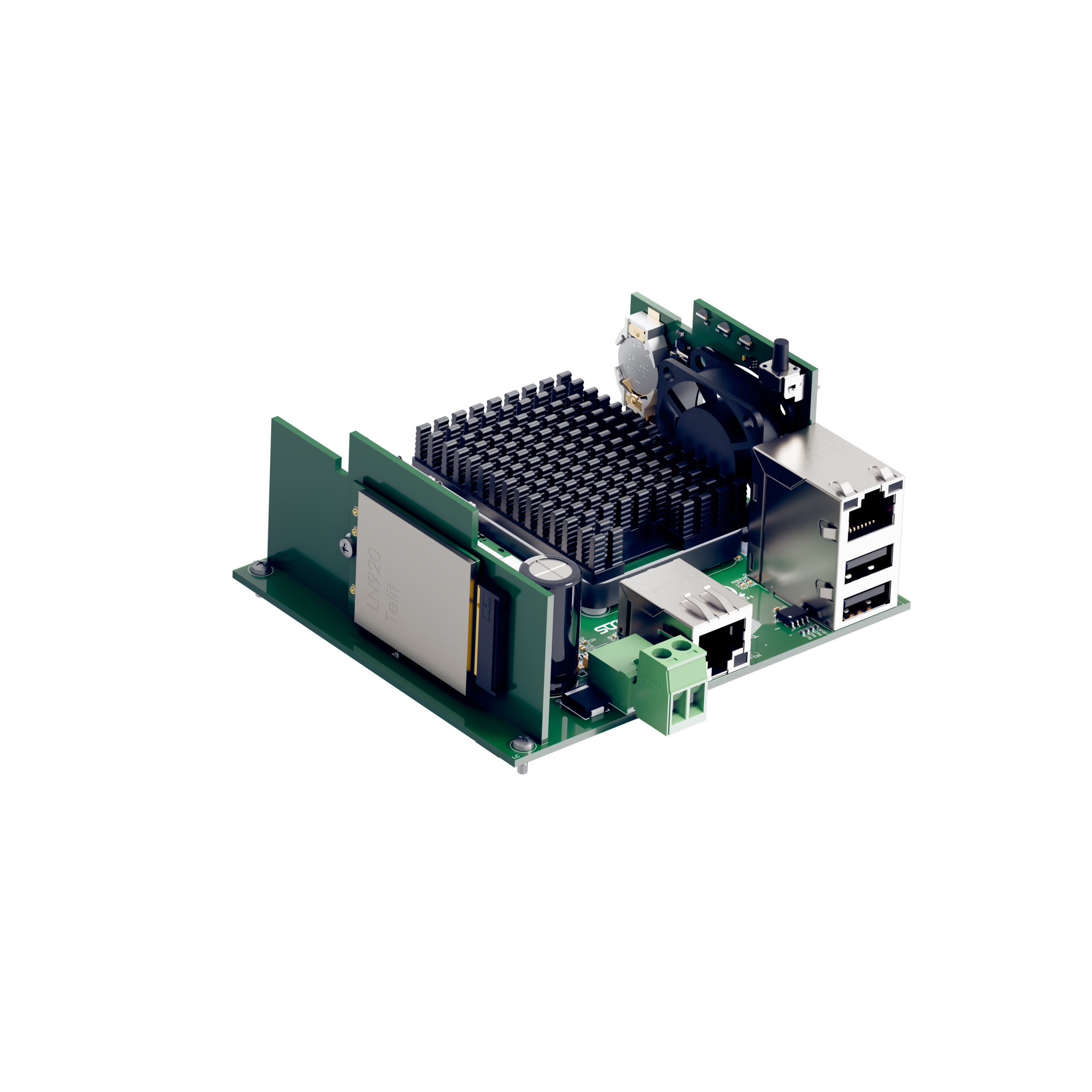
Advanced Energy is targeting tighter mechanical envelopes in medical electronics. Its new 200W LPP200 open-frame series combines a 19mm profile with medical and industrial approvals for compact embedded systems.
-
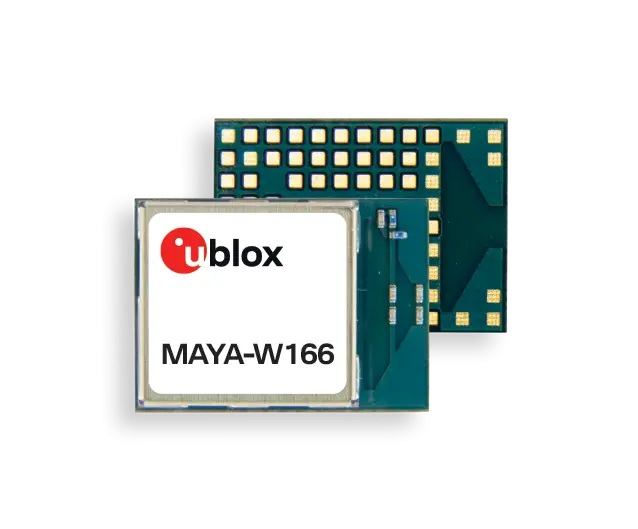
Mouser is shipping u-blox MAYA-W3 Wi-Fi 6 modules now globally. The host-based range targets healthcare and industrial systems with SISO Wi-Fi 6/6E, Bluetooth Low Energy 5.4 with LE Audio support, multiple antenna options, and evaluation kits intended to accelerate integration.